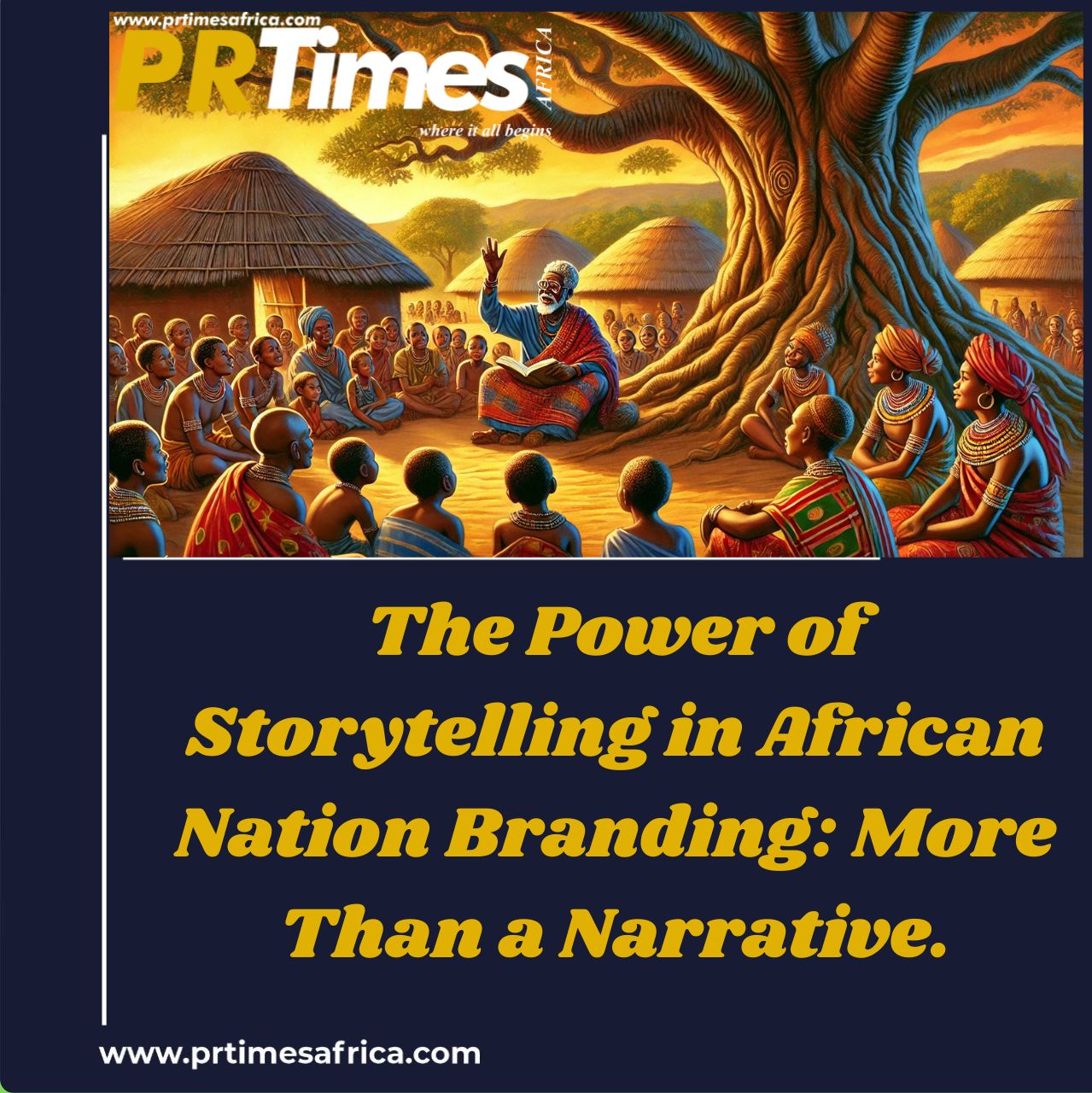
The Power of Storytelling in African Nation Branding: More Than a Narrative
By Musa Sunusi Ahmad:In an age dominated by global perception, how Africa tells its stories is as important as the stories themselves. From economic policy and social reform to sports and cultural renaissance, the continent’s most strategic asset is no longer just its resources or youth population, it is its narrative.
Today, storytelling has moved beyond fiction or folklore. It is now a core strategy in public relations, diplomacy, governance, and investment attraction. The question is no longer whether African nations need to brand themselves, but how well they are doing it.
From Aid to Agency: Shifting Africa’s Global Image
For decades, the dominant narrative around Africa in global media has often been reductive, famine, conflict, disease, and corruption. But a quiet revolution is underway. African PR professionals, communications strategists, and digital storytellers are rewriting the continent’s reputation from the inside out.
Governments and institutions across the continent are beginning to understand that public perception is power. The rise of the African Continental Free Trade Area (AfCFTA), the emergence of African unicorn startups, and cultural phenomena like Afrobeats and Nollywood are offering new angles to promote a dynamic, youthful, and entrepreneurial Africa.
In this context, storytelling becomes not just a tool of communication, but a tool of transformation.
Strategic Storytelling in Practice: Case Studies from the Continent
Ghana’s “Beyond the Return” Campaign
Building on the success of the “Year of Return” in 2019, Ghana launched a multi-year initiative to position itself as the cultural and tourism capital of the Black diaspora. With powerful visuals, high-profile celebrity endorsements, and social media activations, Ghana told a story of reconnection, pride, and prosperity, and saw an increase in both tourism and Diaspora investments.
Rwanda’s Soft Power Playbook
Rwanda has invested heavily in nation branding, including the partnership with Arsenal FC (“Visit Rwanda” sleeve sponsorship), showcasing its commitment to tourism, innovation, and environmental sustainability. Through careful messaging, Rwanda has shifted its global image from post-genocide recovery to a model of African progress.
Kenya’s Digital Diplomacy
With over 75% of Kenyans using mobile internet, Kenya’s government and private sector use social platforms not only for citizen engagement but for international investment pitching. Brands like Safaricom and initiatives like Konza Technopolis are front and center in a narrative of “Silicon Savannah”, Kenya as Africa’s tech leader.
The PR Professional’s Role in Nation Branding
In this evolving landscape, the role of the PR professional is expanding:
– From Spokesperson to Strategist: Communications professionals now sit at the table where policy, trade, and culture intersect.
– From Press Releases to Transmedia Campaigns: Stories need to live across platforms, from TikTok and Instagram to international newsrooms.
– From Reactive to Proactive Narratives: African countries must learn to set the narrative, not just defend it.
There is a growing need for communications capacity-building at institutional levels, ministries, embassies, public-private partnerships, to train professionals in narrative design, crisis communication, and digital engagement.
Challenges: The War on Disinformation
While the potential is high, so are the risks. Fake news, digital misinformation, and foreign-controlled narratives still pose a threat to African image-making. Countries need to invest in media literacy, fact-checking alliances, and sovereign digital storytelling platforms.
In this regard, collaboration between governments, independent media, civil society, and academia is essential.
Africa’s Communication Goldmine
As Africa’s middle class grows and its youth population continues to dominate, new opportunities in communications and PR are emerging:
Diaspora PR Campaigns: To engage Africans abroad as brand ambassadors and investors.
Development Communication: Telling success stories from health, education, and gender sectors to global partners.
Sports and Cultural Diplomacy: Using international events to amplify visibility and reshape perceptions.
Pan-African Content Collaboration: From media houses to influencers, building shared narratives of success across borders.
Telling Africa’s Story: Authentically and Strategically
The world is watching Africa. But the world will believe what Africa chooses to show, and say.
Whether it’s Cape Verde’s near World Cup breakthrough, Ethiopia’s digital economy transformation, or South Africa’s push for green energy leadership, every country has a story. The task for PR professionals and communicators across the continent is to shape that story with intention, innovation, and authenticity.
Africa’s future will not only be written in policy, but in narrative.