|
|||

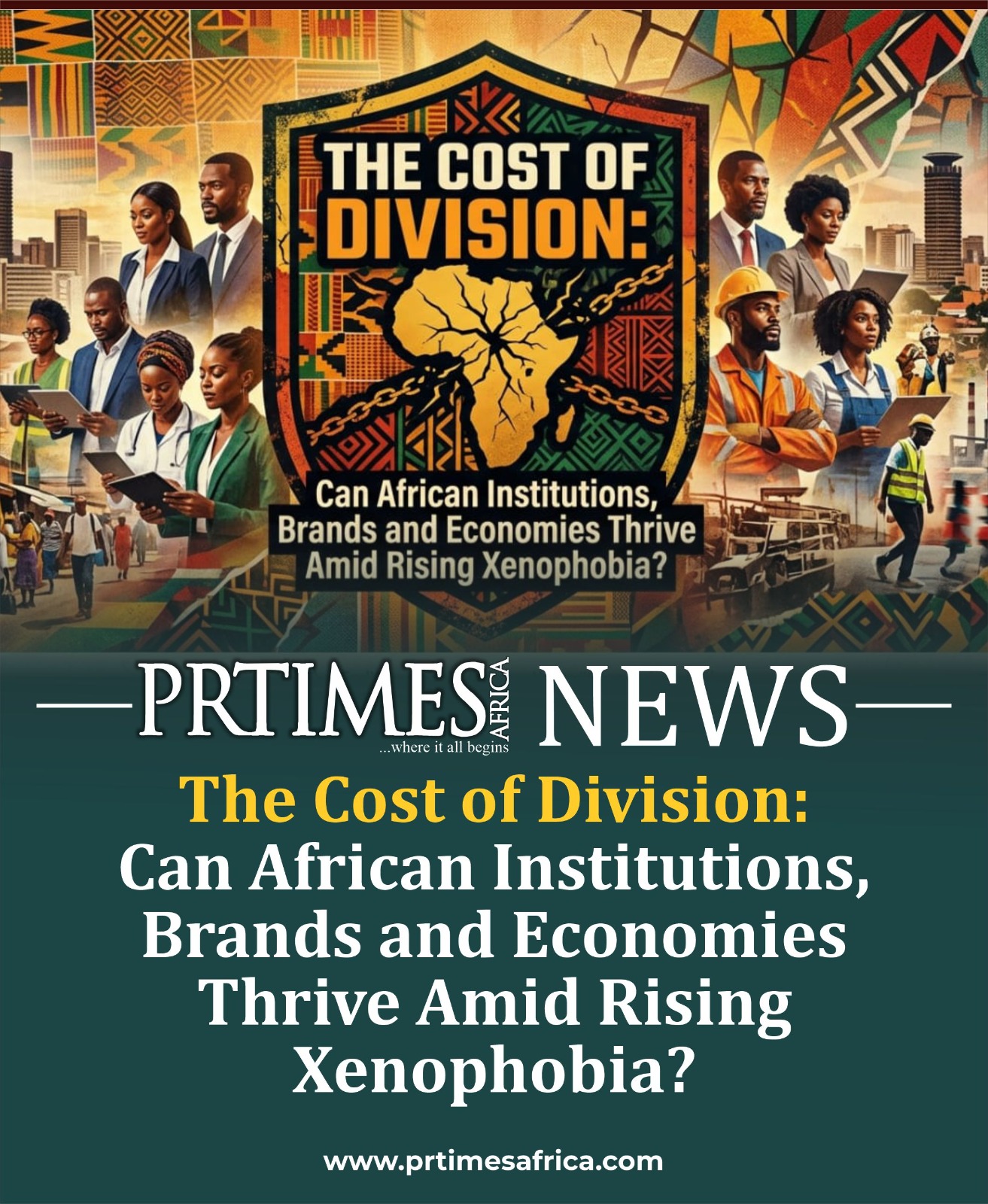
The Cost of Division: Can African Institutions, Brands and Economies Thrive Amid Rising Xenophobia?
Across Africa, leaders often speak of continental integration, cross-border trade, regional cooperation, and the promise of a united economic future. The vision is compelling: an Africa where businesses scale beyond national borders, talent moves freely, investment flows seamlessly, and institutions collaborate to unlock the continent’s vast potential.
Yet beneath this aspiration lies a persistent challenge that continues to undermine trust, weaken brands, and threaten economic growth: xenophobia.
From attacks on foreign-owned businesses and hostility toward migrant workers to growing anti-immigrant rhetoric in some communities, xenophobia has become more than a social issue. It is increasingly an economic, institutional, and reputational risk. At a time when African businesses are struggling with inflation, currency volatility, infrastructure gaps, and global competition, the continent can ill afford another self-inflicted obstacle.
Trust is the currency that powers modern economies. It is the foundation upon which institutions build credibility, brands earn customer loyalty, and investors make long-term commitments. When xenophobic incidents occur, that trust is weakened—not only between individuals but also between nations, organizations, and business communities.
For African institutions, xenophobia creates a contradiction between policy and practice. Governments promote regional integration through frameworks such as the African Union and the African Continental Free Trade Area, while communities sometimes reject the very people and businesses these agreements are designed to empower. The result is a credibility gap that raises questions about Africa’s readiness for deeper economic integration.
For brands, the consequences can be severe. Businesses spend years building reputations, developing customer trust, and expanding into new markets. Yet a single xenophobic incident can disrupt supply chains, damage assets, reduce consumer confidence, and create lasting reputational harm. Whether local or multinational, brands operate best in environments where diversity is accepted and economic participation is encouraged.
Many of Africa’s most successful companies owe their growth to cross-border expansion. Banks, telecommunications firms, manufacturing companies, technology startups, and retail brands increasingly depend on regional markets for growth. When xenophobia targets foreign entrepreneurs or workers, it sends a troubling signal to investors: that success may be determined not by value creation but by nationality.
The impact extends beyond corporations. Small and medium-sized enterprises—often described as the backbone of African economies—are among the biggest victims. Thousands of African entrepreneurs have established businesses outside their countries of origin, creating jobs, paying taxes, and contributing to local economies. When these businesses become targets, communities lose employment opportunities, governments lose revenue, and economies lose momentum.
Perhaps the greatest casualty is Africa’s collective brand. Globally, nations compete for investment, tourism, talent, and influence. Every continent has challenges, but perceptions matter. Frequent reports of xenophobic violence can shape international narratives, making investors more cautious and affecting confidence in emerging markets. In a world where reputation increasingly influences economic outcomes, Africa cannot afford to project an image of internal hostility.
History demonstrates that economic progress is often driven by openness. The world’s most dynamic commercial hubs have generally embraced diversity, attracted talent from different backgrounds, and encouraged the exchange of ideas across borders. Innovation flourishes when people collaborate rather than compete along ethnic or national lines.
The irony is that Africans share more common challenges than differences. Youth unemployment, access to education, healthcare delivery, infrastructure development, climate resilience, and economic transformation are continental concerns. Solving them requires collaboration, not division.
Business leaders also have a responsibility. Corporate Africa must move beyond statements of solidarity and actively promote inclusion in workplaces, supply chains, and corporate culture. Brands that champion diversity and regional cooperation are not only fulfilling social obligations; they are protecting their long-term commercial interests.
Likewise, media organizations, civil society groups, and educational institutions must continue to shape narratives that emphasize shared prosperity rather than fear. Public discourse matters. The stories societies tell themselves often determine the future they create.
Africa’s future will not be built by isolated markets or divided communities. It will be built by trust—trust between nations, trust between institutions, trust between brands and consumers, and trust among Africans themselves.
The question facing the continent is therefore not merely whether xenophobia is morally wrong. The more urgent question is whether Africa can achieve its economic ambitions while allowing mistrust and division to undermine the very foundations of growth.
For institutions seeking credibility, brands pursuing expansion, and economies striving for global competitiveness, the answer is increasingly clear: trust cannot flourish where xenophobia persists. And without trust, sustainable prosperity remains out of reach.
Africa’s greatest competitive advantage is not its natural resources, population, or geography. It is the collective strength of its people. Protecting that strength begins with rejecting division and embracing a future built on mutual respect, shared