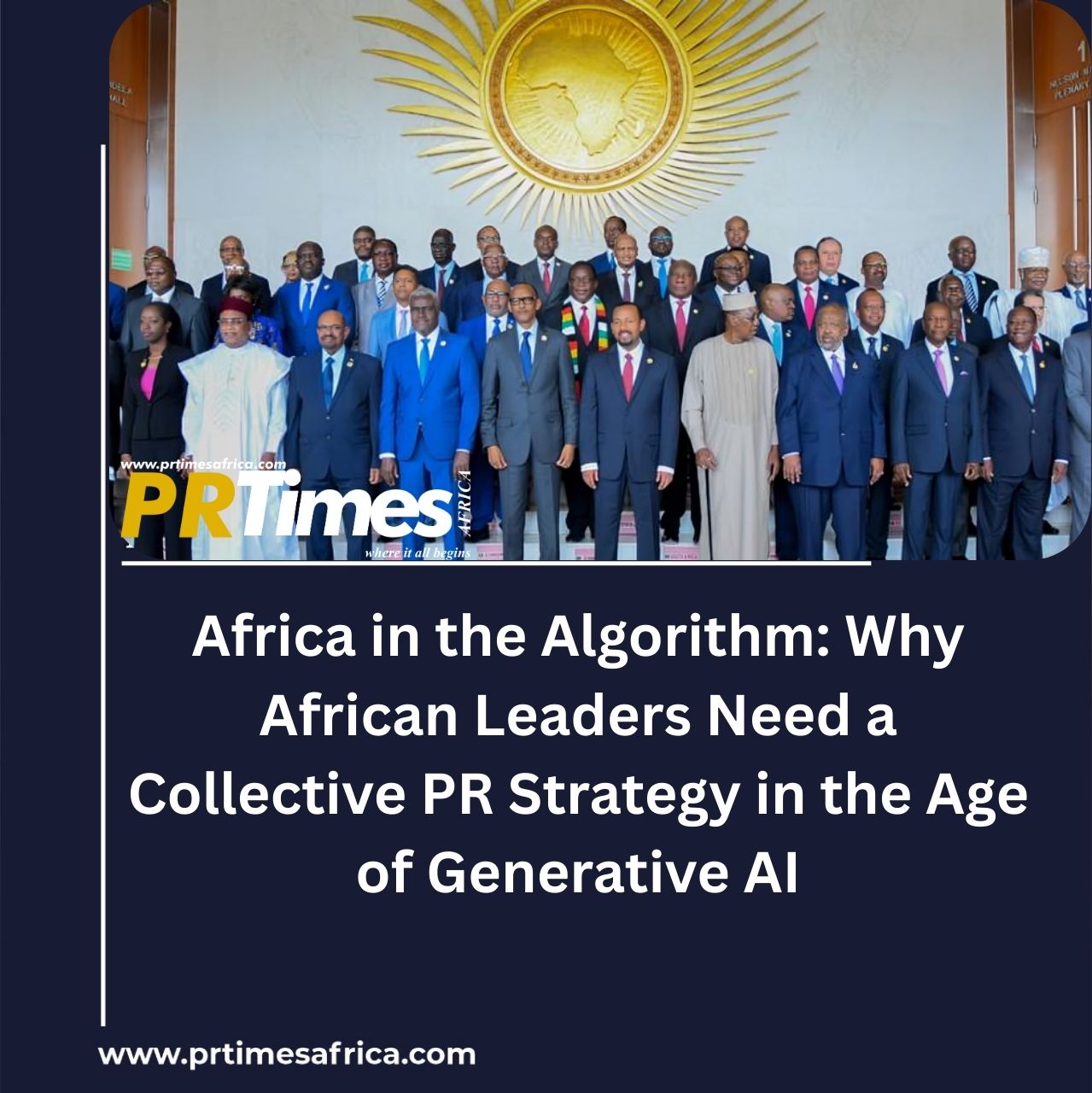
Africa in the Algorithm: Why African Leaders Need a Collective PR Strategy in the Age of Generative AI
By Musa Sunusi Ahmad:
In the quiet rooms of tech labs in Silicon Valley, Shenzhen, and London, generative AI tools are shaping new worlds, worlds that include Africa, often without African voices in the room. As synthetic content creation rapidly becomes a global norm, African leaders, political, business, and cultural, must confront an urgent question: Who is telling Africa’s story, and how is it being shaped by artificial intelligence?
The Generative Dilemma
From ChatGPT and Gemini to DALL·E and Sora, generative AI tools are now capable of crafting persuasive narratives, realistic images, and entire virtual environments. These tools ingest massive amounts of online data to produce content at scale. But here lies the rub: the data they feed on is largely Western-centric, riddled with outdated stereotypes, colonial framing, and historical biases about Africa and its people.
This means when someone in Europe asks an AI tool to “show an African village,” they’re more likely to see a dusty, poverty-stricken scene than a modern, bustling township. Ask for an “African leader,” and the results often skew towards dictators of the past rather than democratic change-makers of today.
A PR Crisis, Without a Scandal
Unlike traditional PR crises, rooted in events, misstatements, or reputational blows, this one is subtle, structural, and dangerously invisible. AI is shaping global perceptions of Africa, automatically, algorithmically, and with shocking consistency. What’s more, these perceptions are then recycled into international media, educational tools, policy models, and even investor briefings.
And Africa’s voice? All too often, it’s absent, underrepresented, or misrepresented.
The Case for a Pan-African PR Strategy
It’s time for Africa to act, not defensively, but decisively. A collective, continent-wide public relations and communications strategy is no longer a “nice-to-have” but a strategic imperative. This initiative should serve to:
- Define the African Narrative
Let Africa speak for itself, not through the lens of AI built on foreign data. Africa’s diversity, innovation, youth population, culture, and climate leadership deserve accurate digital representation.
- Engage AI Developers
African governments and media houses should proactively engage OpenAI, Google DeepMind, Meta, and others to demand inclusive data training practices and cultural representation standards.
- Build Continental Media Power
Pan-African media outlets and content creators should be empowered through funding, training, and platforms to feed the digital ecosystem with accurate, vibrant African content.
- Promote Digital Literacy and Advocacy
Educate local PR professionals, government spokespeople, and digital creators about how AI generates content and how to influence those algorithms.
- Institutionalize AI Representation Protocols
The African Union and regional bodies like ECOWAS and SADC must work to institutionalize protocols for how AI systems engaging Africa should be held accountable, much like international media codes of ethics.
Not Just a Tech Issue, A Sovereignty One
This is about more than pixels and prose. It’s about cultural sovereignty, global influence, and economic opportunity. In an age where perception drives policy and investment, Africa cannot afford to be rendered invisible or inaccurately portrayed by code written elsewhere.
As African nations shape their futures through AfCFTA, digital economies, and green innovations, generative AI must reflect those realities, not old tropes. Without a united PR front, we risk a future where our children’s identities are pre-scripted by machines trained on someone else’s version of Africa.
Own the Narrative or Be Narrated
In the fast-moving AI race, silence is not neutrality, it’s erasure. Africa must seize this moment not as a threat, but as a catalyst to reimagine and reclaim its digital narrative.
The tools of generative AI are powerful. With a collective strategy, so is Africa’s voice.
- PRESS RELEASE: Four top trends to watch in the African energy sector in 2024.
- Rwanda Announces Visa-Free Entry for All African Citizens
- Nigeria’s Asisat Oshoala has added another feather to her cap, winning the illustrious African Women’s Player of the Year for a record-extending sixth time.
- The Saharawi Struggle: A Fight for Decolonization and Statehood
- Crisis Management in the Diamond Economy: Botswana’s Strategic Response to Economic Anxiety
- The Silicon Savannah Charging Toward A Green and Digital Future