Bridging Continents: Nigeria – Colombia Relations in Trade and Women’s Development
By Alwalled K.Y:
Across the Atlantic Ocean, Nigeria and Colombia, two vibrant countries each with rich histories and diverse cultures, are forging a relationship that goes beyond traditional diplomacy. Anchored in shared priorities such as trade diversification and women’s empowerment, this bilateral engagement is an exciting example of how South, South cooperation can reshape global partnerships.
In August 2025, this relationship took a remarkable leap forward with the historic visit of Colombia’s Vice President Francia Márquez to Nigeria. As an Afro-descended woman and a trailblazer in her own right, Márquez’s visit symbolized not only diplomatic goodwill but also a renewed commitment to collaboration that touches on economic growth, social inclusion, and gender equity.
Setting the Tone for Collaboration
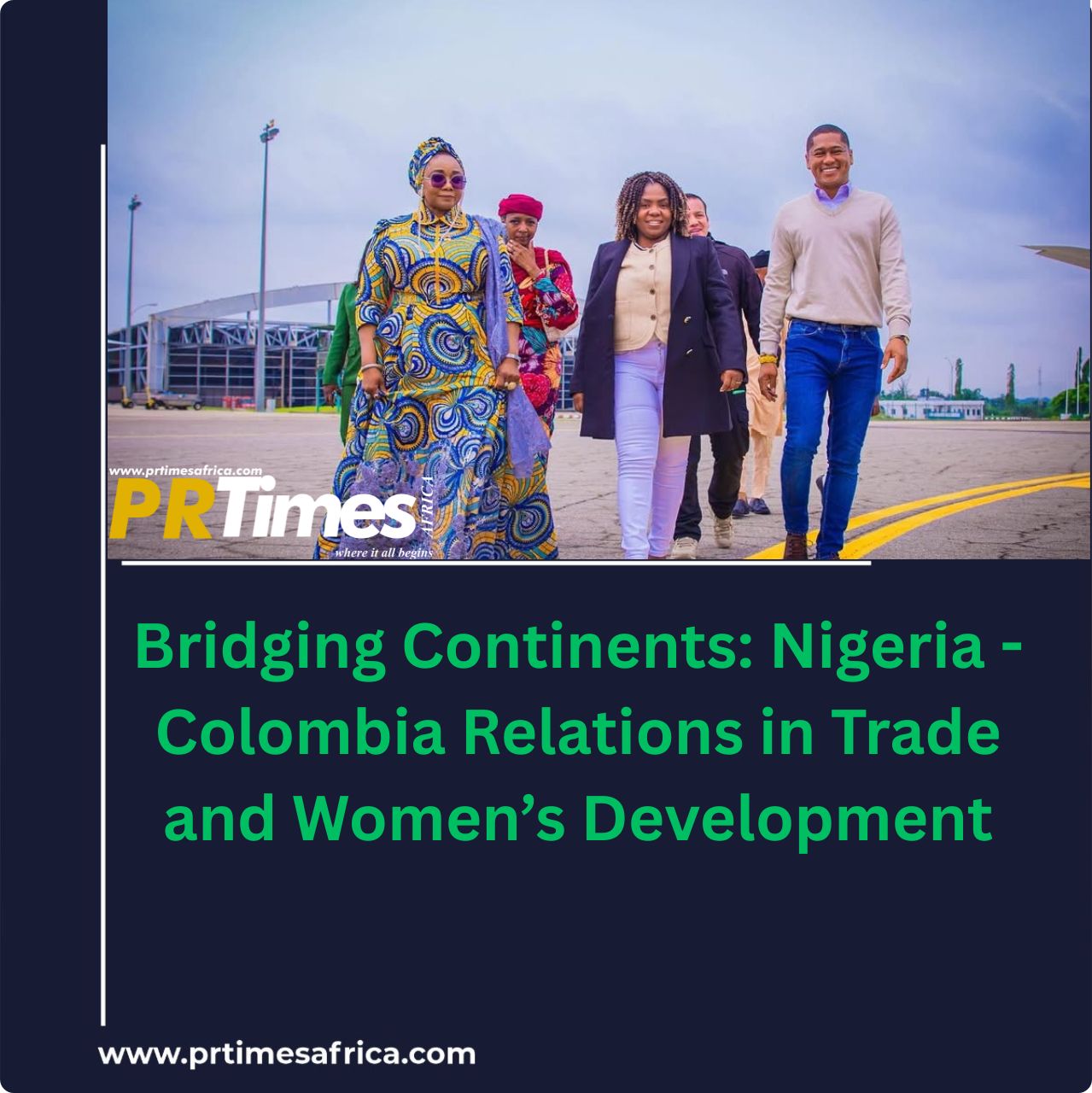
Vice President Francia Márquez arrived in Abuja on August 30, 2025, in a delegation that included top Colombian officials, business leaders, and her husband. Her arrival was marked by a ceremonious reception at Nnamdi Azikiwe International Airport. Nigeria’s Minister of Women Affairs, Imaan Sulaiman‑Ibrahim, led the welcoming party, joined by senior ministers from the Ministries of Innovation, Science & Technology, and the Federal Capital Territory, symbolizing the government’s holistic approach to this visit.
The warm reception was more than protocol. It was a message, a public affirmation that Nigeria views Colombia not only as a partner in trade but as a key ally in the pursuit of inclusive development. The presence of the Minister of Women Affairs, in particular, underscored the emphasis placed on gender inclusion and women’s empowerment as foundational pillars of this bilateral relationship.
Meetings with Nigeria’s Top Leadership
President Bola Tinubu and Vice President Kashim Shettima
During her visit, Márquez held substantive meetings with President Bola Tinubu and Vice President Kashim Shettima at the State House in Abuja. These conversations went beyond the usual diplomatic courtesies, focusing on how to accelerate collaboration in trade, technology, aviation, and social development.
President Tinubu expressed a clear vision for Nigeria-Colombia relations. Drawing on Nigeria’s recent agreements with Brazil, he emphasized the intention to replicate successful bilateral models with Colombia, especially in sectors like aviation and consular relations. He welcomed Colombian investments into Nigeria’s strategic sectors, oil and gas, agriculture, and emerging technology startups, positioning Nigeria’s youthful population and expanding middle class as prime drivers for future market growth.
Vice President Shettima framed the visit as a “historic reconnection,” highlighting the shared heritage and cultural links between Nigeria and Colombia rooted in the African diaspora. He noted that this relationship is a chance to heal historical divisions and build a partnership that uplifts both nations through economic and social cooperation.
Formalizing the Partnership: Signing of Key Memorandum of Understanding
A highlight of the visit was the signing of a Memorandum of Understanding on Political Consultations between the Nigerian and Colombian governments. Signed by Nigeria’s Foreign Affairs Minister Yusuf Tuggar and Colombia’s Deputy Minister for Multilateral Affairs Mauricio Jaramillo Jassir, the MoU lays the groundwork for regular diplomatic dialogue, collaboration on regional and international issues, and smoother visa facilitation for diplomats.
This MoU is a strategic milestone, creating a formal mechanism to ensure consistent communication and joint problem-solving. It is expected to accelerate bilateral projects and provide a stable platform for expanding economic and cultural cooperation.
Trade Relations: Unlocking New Economic Opportunities
Historically, Nigeria and Colombia’s trade has been limited and underexplored, but both nations recognize significant untapped potential. Nigeria’s push to diversify its economy beyond oil aligns with Colombia’s strengths in agriculture, pharmaceuticals, textiles, and processed foods.
At the Nigeria – Colombia Business Forum, Márquez and Nigerian business leaders explored avenues for mutual growth. Colombian products like coffee, cocoa, and tropical fruits find potential new markets in Nigeria, while Nigerian exports such as cassava, shea butter, and manufactured goods present fresh opportunities for Colombia.
The Vice President proposed establishing direct air cargo routes to facilitate faster, more reliable movement of goods, a move that could reduce shipping costs and increase trade volumes. Both parties emphasized leveraging their memberships in regional trade blocs, Nigeria in ECOWAS and Colombia in the Pacific Alliance, to broaden the reach of their goods and services.
Private sector leaders from both countries were encouraged to explore joint ventures in manufacturing, agro-processing, and technology innovation, supported by the governments’ diplomatic goodwill and emerging trade frameworks.
Women’s Development: A Cornerstone of Bilateral Cooperation
Perhaps the most inspiring and forward-thinking aspect of this relationship is the central role of women’s development.
Vice President Márquez, an acclaimed environmental and social activist before assuming office, embodies the spirit of female empowerment. Her presence as Colombia’s first Afro-descended woman Vice President was a poignant reminder of the shared struggles and aspirations of women on both continents.
Throughout her visit, Márquez met with Nigeria’s Minister of Women Affairs, Imaan Sulaiman‑Ibrahim, and engaged with women leaders and grassroots activists. The focus was clear: how can Nigeria and Colombia work together to promote gender equality, political participation, entrepreneurship, and digital inclusion?
Discussions touched on shared experiences of conflict-affected women, with Colombia’s successful peacebuilding programs offering valuable lessons for Nigeria’s northeast region. Collaborative programs such as “Her Voice Across Borders”, launched in 2024, were highlighted as effective platforms for women’s entrepreneurship and leadership development.
The Minister of Women Affairs reinforced the government’s commitment to this agenda, emphasizing that empowering women is not only a moral imperative but a catalyst for sustainable economic growth and societal stability.
Strategic Communication: Crafting the Narrative of Partnership
Public Relations and communications teams played a vital role in amplifying the significance of Márquez’s visit. From managing media engagement to coordinating cultural events, the diplomatic missions and government agencies ensured that this historic moment was shared widely across Nigerian and Colombian media.
Campaigns like “Nigeria-Colombia: United by Progress” featured human-interest stories of women entrepreneurs, trade innovators, and youth leaders benefiting from this growing partnership. Social media was strategically used to highlight behind-the-scenes moments, quotes from dignitaries, and the emotional resonance of Márquez’s remarks about reconnecting with ancestral roots.
This strategic communication not only enhances public awareness but also invites private sector participation, NGO engagement, and broader citizen interest in the evolving relationship.
A Roadmap for Future Collaboration
The visit of Vice President Francia Márquez is more than a diplomatic milestone, it is a launchpad for sustained cooperation.
The bilateral partnership is poised to deepen across several fronts:
- Trade Expansion: Implementation of the MoU and direct air connectivity promises to boost trade volumes significantly.
- Women’s Empowerment: Joint initiatives in entrepreneurship, education, and political leadership will empower the next generation of women leaders.
- Cultural Exchange: Increased people-to-people connections, including student and professional exchange programs.
- Technology and Innovation: Shared expertise in agritech, fintech, and sustainable energy development.
As both countries embrace this new chapter, they demonstrate the power of collaboration rooted in respect, shared history, and a commitment to inclusive progress.
Nigeria and Colombia are setting a compelling example for South, South cooperation, one where history, culture, economy, and gender equity intertwine to create a dynamic partnership.
For communications professionals, this evolving story offers rich material to craft narratives that resonate emotionally and strategically. It underscores the role of public diplomacy in building bridges that not only advance national interests but uplift communities, especially women, who stand at the forefront of change.
- Ethiopia Bets on Hospitality to Power Growth as IFC and MIDROC Launch $80 Million Tourism Expansion Addis Ababa, Ethiopia.
- The Democratic Republic of Congo, the world’s top cobalt producer is lifting its export ban starting October 16th. Congo will now control global supply through strict annual export quotas, the country’s strategic minerals regulator announced Sunday.
- Public-private partnerships needed to bridge Africa’s infrastructure development gap.
- Libya’s Rebuilding and Communication Strategy: A Nation Reconnecting with Itself
- Ethiopia’s Minister of Water and Energy Joins African Energy Week (AEW) 2024 as East African Energy Demand Grows.
- Peace partners urge South Sudan Government to produce plan and budget to complete outstanding tasks in peace deal ahead of elections