Malawian Women Lead a Peacebuilding Revolution with Support from UN Women and WPHF
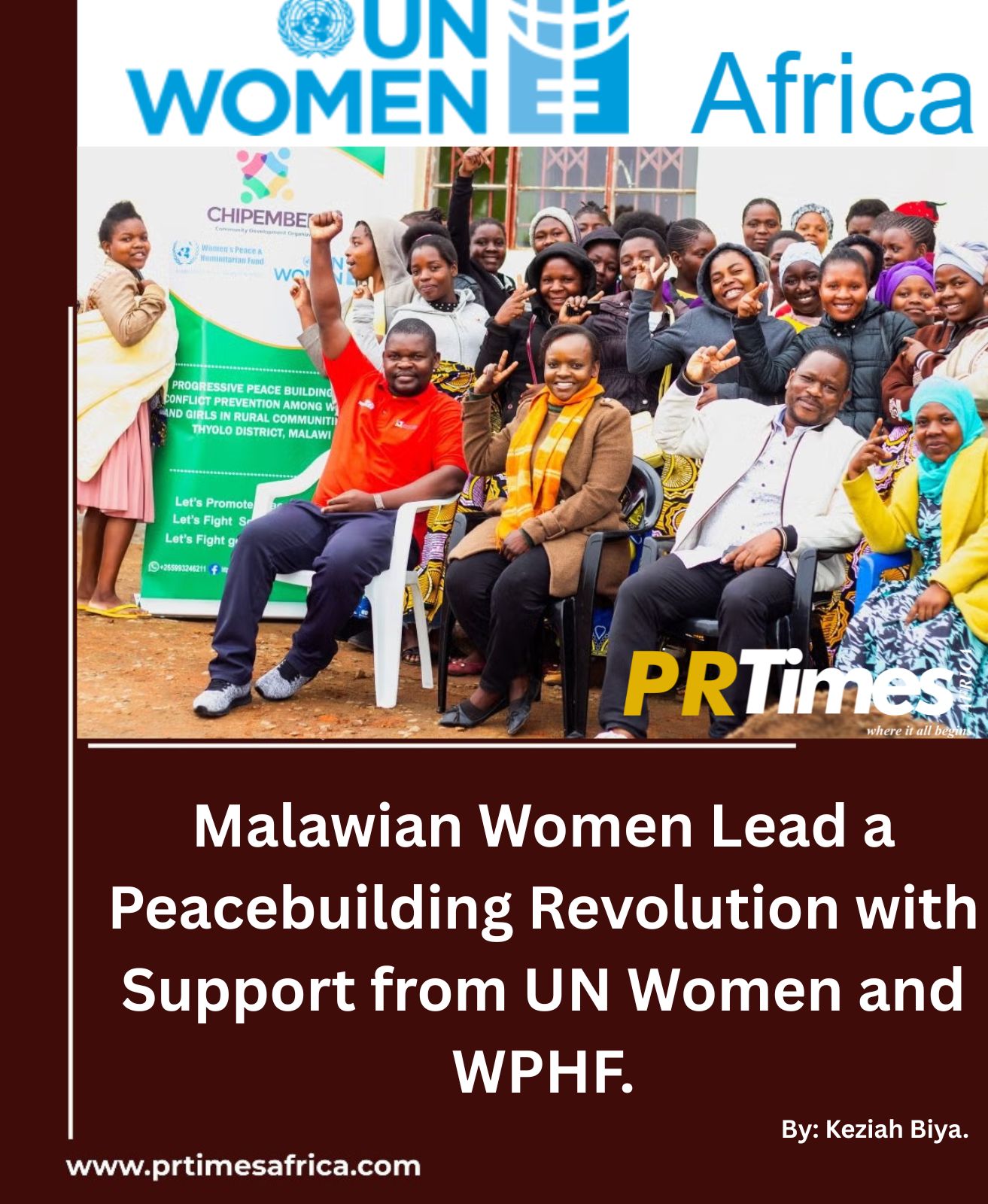
NEW YORK, USA, October 23, 2025 – In the southern districts of Malawi, a powerful transformation is taking root. Communities once torn apart by land conflicts, political rivalries, and gender-based violence are now finding healing and unity—thanks to women who have stepped forward as mediators, advocates, and leaders in peacebuilding.
Supported by the Women’s Peace and Humanitarian Fund (WPHF) through UN Women, these women are redefining leadership, resolving conflicts, and challenging deep-seated gender norms across Malawi’s rural communities.
Women Taking the Lead in Nsanje
In the Mbenje area of Nsanje, women’s groups such as Chisomo, Yankho, and Tadala are reshaping the community’s approach to peace. Trained in mediation and advocacy by the Youth Coalition for the Consolidation of Democracy (YCD), these women now play key roles in resolving disputes and promoting peaceful elections.
Ahead of the tense 2025 primary elections, Tadala Women Movement successfully convened a peace dialogue with representatives from six political parties—averting potential violence and giving women a voice in electoral processes.
“We’re not just victims anymore—we’re problem-solvers,” says Stella Davie Maguza, Chairperson of the Yankho Women Movement.
Through their advocacy, the women have secured 17 Memoranda of Understanding with local chiefs to ensure that women are included in community decision-making and conflict resolution.
Healing Divides and Restoring Trust in Machinga
In Machinga District, a long-standing feud between two brothers—one of them a local chief—was peacefully resolved not by traditional elders, but by women trained in mediation by Youth Net and Counselling (YONECO). Their empathy-driven approach restored peace and earned the chief’s public support for women’s leadership.
Since December 2024, women in Machinga and Phalombe have mediated 42 community conflicts, addressing land disputes, domestic violence, and child marriage cases. More than 896 women and girls have been empowered, with 11 now holding formal leadership positions.
“Even chiefs’ wives are influencing decisions,” notes Chief Sitola, one of the few female traditional leaders in the area.
Peace Circles: A Model of Empowerment
For Brenda Charly, a Peace Circle Facilitator in Machinga, peacebuilding has been life-changing. Once financially dependent, she now runs a thriving tomato and red maize business that supports her children’s education.
“This Peace Circle saved my life,” she says. “We uplift one another, share ideas, and grow together. I’m no longer just surviving—I’m building a future.”
Brenda was trained under YONECO’s Sustaining Community Women Movement for Peacebuilding and Humanitarian Response in Malawi Project, supported by WPHF and UN Women.
Through collective farming, her group earns and shares profits to assist survivors of abuse and fund agricultural initiatives. Brenda’s recent harvest brought in MK380,000 (US$216)—enough to pay school fees for her daughter and send her youngest child to nursery school.
Voices of Change: Ednah and Lezita
In Mizinga, Machinga, facilitator Ednah Zuze has mediated dozens of disputes through inclusive community dialogues involving people with disabilities, faith leaders, and youth.
“Women need to take on these roles because we’re often the ones most affected by conflict,” Ednah says.
Trained in gender-based violence prevention, leadership, peacebuilding, and humanitarian response, Ednah is one of 60 women facilitators promoting peace and social cohesion through the WPHF-supported program.
Since March 2025, her group has engaged over 900 community members, building trust and transforming attitudes toward women’s leadership.
Meanwhile in Thyolo, 25-year-old Lezita Mukhiwa is making her mark as a councilor aspirant and mentor at Bvumbwe Girls Club. Her mission: empower young women to claim their space in politics and leadership.
“Someone must step up. Why not me?” she says confidently.
Through mentorship programs, Lezita encourages girls to stay in school and teaches them to recognize and report abuse, helping shift cultural perceptions on gender equality.
A Blueprint for Sustainable Peace
Across Malawi, these women are proving that peacebuilding goes beyond conflict resolution—it transforms lives and strengthens communities.
“These women didn’t wait for outsiders to fix their problems. They became the change,” says Francis Folley of YCD.
Their courage and resilience are offering a model of inclusive peacebuilding—one that communities across Africa, and the world, can learn from.
As the world faces increasing instability, Malawi’s story serves as a powerful reminder: when women lead, peace follows.