Crisis of Credibility: Zimbabwe’s Political Unraveling and the Battle for Narrative Control
By Musa Sunusi Ahmad:
Zimbabwe is once again making headlines, and not the kind any communications professional wants. In the first half of 2025, the southern African nation descended into a swirl of political infighting, public distrust, and messaging chaos. The ruling Zimbabwe African National Union-Patriotic Front (ZANU-PF), long the dominant force in national politics, is now fighting on multiple fronts: internally over succession, externally for legitimacy, and publicly for narrative control.
For communicators, it’s a sobering case study in what happens when reputation, power, and messaging collide.
A Familiar Crisis with a New Script
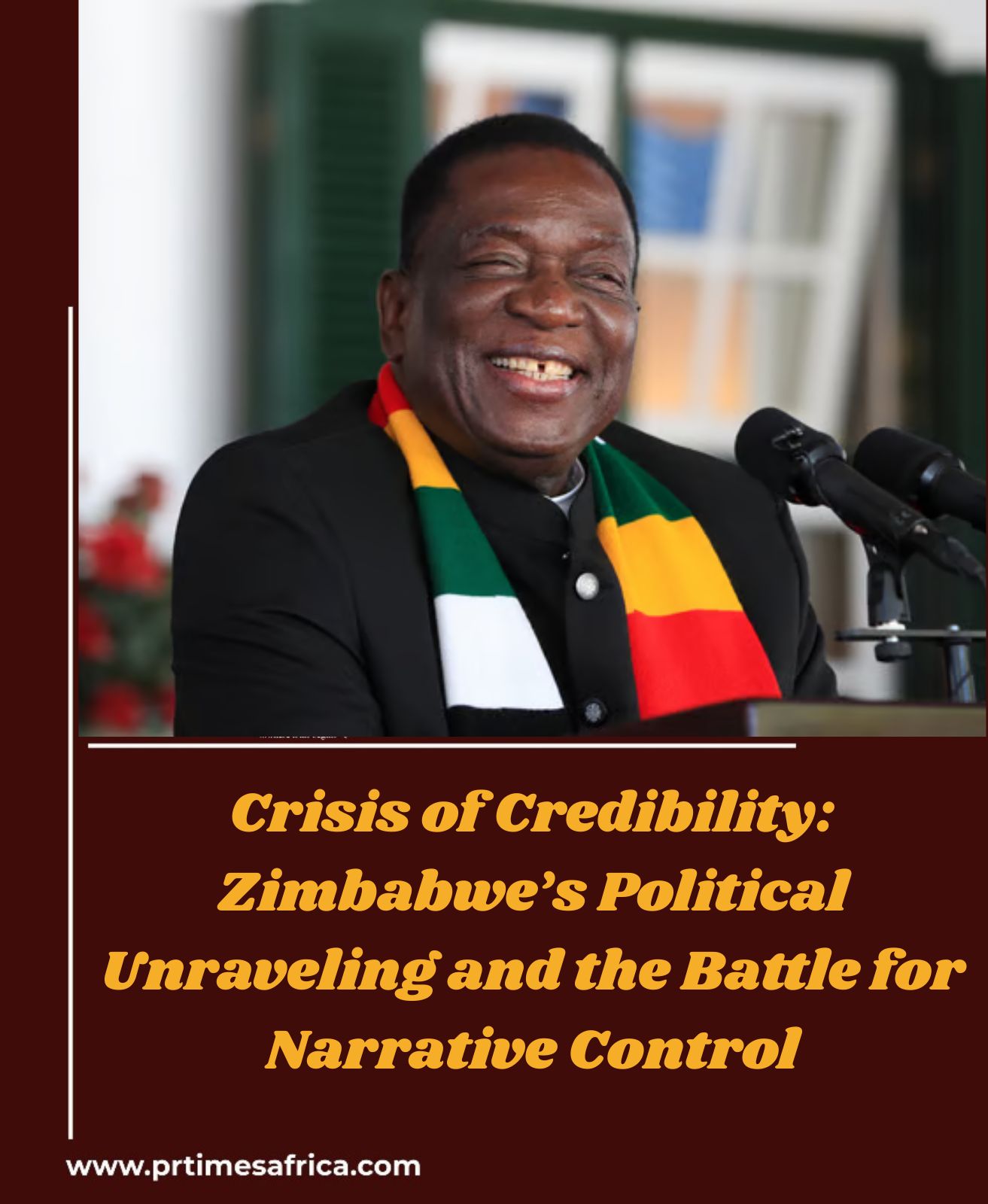
President Emmerson Mnangagwa came to power in 2017 promising a “new dawn.” Eight years later, that promise is dimmed by economic stagnation, civil unrest, and accusations that he plans to overstay his constitutional term.
In March 2025, reports surfaced of plans to amend the constitution — a move critics called a “soft coup.” Protests were planned. The government responded with a heavy security presence, and streets across Harare and Bulawayo fell silent as citizens chose a stay-away instead of a showdown.
It wasn’t just political theatre. It was a communications breakdown, a demonstration of how silence itself can become a form of protest.
When Internal Fissures Go Public
ZANU-PF’s annual conference in Mutare revealed deep divisions. Party insiders leaked information to journalists about leadership struggles, while state media painted a picture of unity and “economic transformation.”
For communicators, it was a masterclass in mixed messaging. When internal communications disintegrate, external credibility collapses too. Each faction, from the war veterans to the youth league, seemed to have its own narrative, leaving the public wondering who, if anyone, speaks for the government.
“Once the cracks inside your organization become the story,” says Harare-based PR consultant Nyasha Moyo, “you’ve already lost control of your brand.”
The Narrative War
In today’s Zimbabwe, control of the story is as contested as control of the state.
State broadcasters continue to push the official line, stability, reform, growth, but social media tells a different story: one of fear, fatigue, and disillusionment. Independent journalists and diaspora bloggers are shaping the global perception of the crisis far faster than government press briefings can keep up.
The result? Competing narratives that erode trust across all sides. Citizens don’t believe the government. The government doesn’t trust the press. And international audiences struggle to separate fact from spin.
The PR Lessons Hidden in the Chaos
The Zimbabwean crisis isn’t just a political drama, it’s a communications cautionary tale.
- Authenticity can’t be staged.
When promises of reform meet persistent hardship, no slogan or press release can mask the disconnect. Public trust is a currency that, once spent, is almost impossible to recover.
- Silence communicates too.
The March “stay-away” showed that citizens are no longer shouting to be heard, they’re choosing silence as resistance. In PR terms, disengagement is the loudest possible feedback.
- Internal alignment is non-negotiable.
When ZANU-PF officials publicly contradict one another, the effect mirrors what happens in a corporation facing scandal: confusion breeds cynicism. A fragmented message implies a fragmented mission.
- Control the frame, not the facts.
Good communications strategy doesn’t deny reality, it contextualizes it. But in Harare, officials often frame dissent as “sabotage,” rather than engagement. That might secure loyalty in the short term, but it fuels alienation in the long run.
- Crisis planning is a survival tool.
Political and corporate communicators alike should take note: waiting for the next crisis before preparing a message is a guarantee of failure. Zimbabwe’s crisis shows the danger of reactive rather than strategic communication.
The Bigger Picture: Beyond Politics
The implications stretch far beyond Zimbabwe’s borders. For regional organizations like SADC and the African Union, and for foreign investors, credibility hinges not just on policy but on perception.
In an era where tweets travel faster than press statements, governments and corporations share the same vulnerability: reputation risk. The lesson from Harare’s turmoil is clear, lose control of your message, and you lose control of your mandate.
As Zimbabwe approaches the 2028 election cycle, the story isn’t just about who holds power, but who holds trust. In politics, as in public relations, perception is everything, and rebuilding it takes more than words.
Until the gap between official narratives and citizens’ realities narrows, every policy announcement will read like a press release no one believes.
For communicators, Zimbabwe’s unfolding drama is more than a political saga, it’s a reminder that in the court of public opinion, credibility remains the only true currency.