Author: prtimesafrica

  • Guinea-Bissau Heads to the Polls Amid Controversy Over Barred Opposition

    Guinea-Bissau Heads to the Polls Amid Controversy Over Barred Opposition

    Guinea-Bissau Heads to the Polls Amid Controversy Over Barred Opposition

    By: Keziah Biya

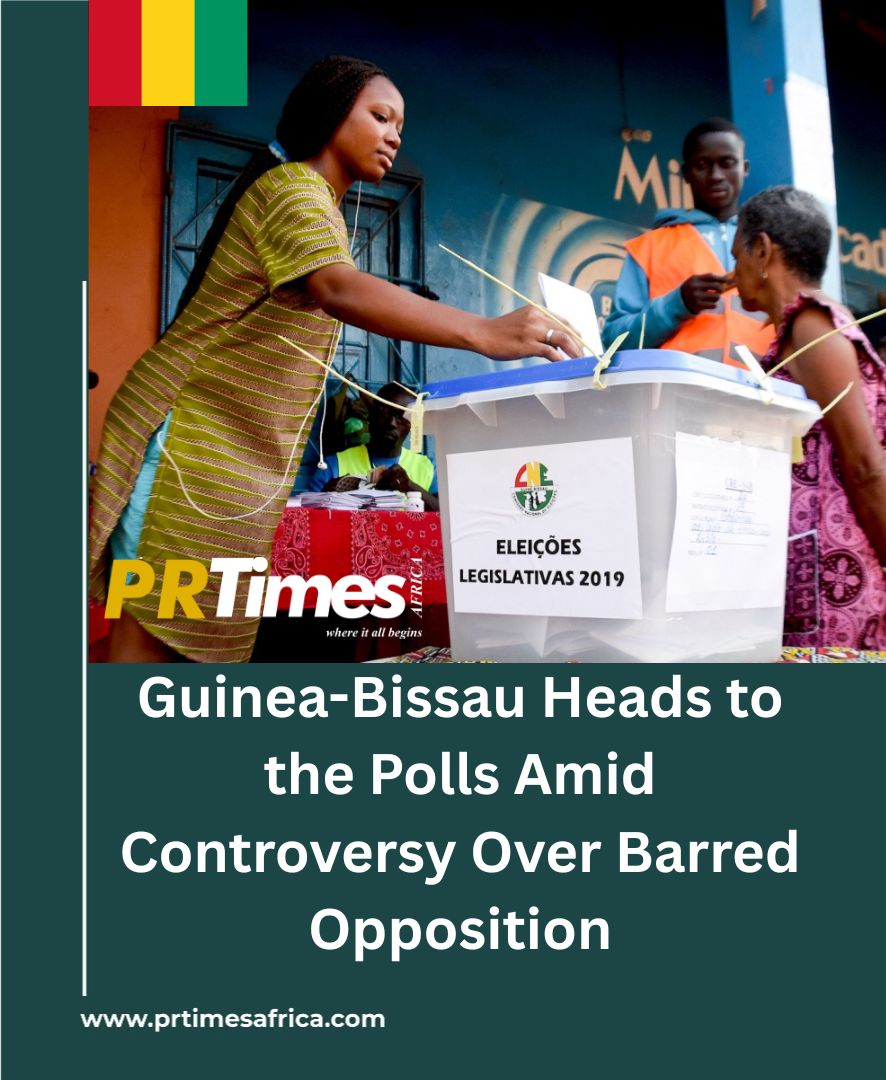
    BISSAU — Guinea-Bissau is entering a decisive moment in its democratic journey as citizens prepare to vote in national elections shadowed by heightened political tension and widespread concern over the exclusion of key opposition figures from the ballot. The decision, which civil society groups describe as “deeply troubling,” has amplified scrutiny of the country’s electoral environment and raised questions about transparency, fairness and long-term political stability.

    The National Electoral Commission (CNE) confirmed earlier this week that several prominent opposition candidates were disqualified following what officials characterised as “procedural irregularities.” However, opposition parties and rights organisations allege the move is politically motivated and undermines the credibility of the upcoming vote.

    International observers from regional blocs and diplomatic missions have expressed cautious optimism about the country’s capacity to conduct peaceful elections, while also urging authorities to uphold democratic norms. Statements from multiple partners emphasised the importance of inclusive participation and safeguarding fundamental freedoms during the electoral period.

    Despite the controversy, political parties have intensified nationwide campaigns, calling on supporters to maintain calm and participate in large numbers. Analysts say voter turnout will play a crucial role in determining both the legitimacy of the final results and the country’s political direction in the months ahead.

    Civil society organisations have stepped up voter education efforts, encouraging citizens, particularly youth, to engage constructively in the process. Advocacy groups continue to call for dialogue between the government, the CNE and excluded opposition parties to ensure confidence in the vote.

    As Guinea-Bissau heads toward election day, the atmosphere remains a blend of hope and uncertainty. While many citizens express determination to exercise their democratic right, the barring of opposition candidates has cast a notable shadow over what was expected to be a pivotal step toward political consolidation.

    The international community is expected to closely monitor the outcome, mindful that the results, and the manner in which they are achieved, will shape Guinea-Bissau’s governance, regional standing and future reform efforts.


  • Uganda: EU Reinforces Support for Uganda’s Creative Sector Through Yo Voice Be Hard at Nyege Nyege Festival

    Uganda: EU Reinforces Support for Uganda’s Creative Sector Through Yo Voice Be Hard at Nyege Nyege Festival

    Uganda: EU Reinforces Support for Uganda’s Creative Sector Through Yo Voice Be Hard at Nyege Nyege Festival

    By: Keziah Biya

    KALAGALA FALLS / KAMPALA — The European Union (EU) this week deepened its commitment to Uganda’s creative economy by spotlighting Yo Voice Be Hard (YVBH), an EU-backed mentorship and performance initiative, at the Nyege Nyege Music Festival. The programme, presented on a high-profile festival stage, gave ten emerging Ugandan artists a showcase to perform before international delegates, industry professionals and thousands of festivalgoer’s, while underlining the EU’s broader strategy to grow the cultural and creative sectors as engines for jobs, tourism and identity.

    “Yo Voice Be Hard demonstrates the transformative impact creativity can have on young people,” EU Ambassador to Uganda Jan Sadek said during the event, praising organisers for creating pathways that elevate new talent and strengthen Uganda’s arts ecosystem. He reaffirmed the EU’s intention to continue investing across the cultural value chain alongside partners from government, the private sector and international cultural organisations.

    Built as a year-long accelerator, YVBH selected ten artists from more than 150 applications for a tailored package of mentorship, master classes and high-visibility performance slots. The initiative pairs technical training (production, management, branding) with networking opportunities and planned festival appearances, steps organizers say are designed to move artists from local recognition to regional and global markets.

    The YVBH showcase at Nyege Nyege, which has grown into one of East Africa’s most internationally-attended cultural platforms, featured performances by the selected cohort including Hoaf Stain, Chiron, Nana Nyadia, Kezerod, Mitrikpwe Patricia, Vini Mercy, Single Dee, Authentic Voices Africa, Raso Mucki and KaRungi. The set gave each act direct exposure to festival curators, media partners and cultural institutions—opportunities the EU says are critical for career development and for strengthening Uganda’s cultural export potential.

    YVBH operates under a “Team Europe” approach that brings together the EU Delegation and cultural partners such as Goethe-Zentrum, Alliance Française and the British Council, with media partner NRG Radio supporting outreach and broadcast opportunities. Officials framed the initiative as part of a wider EU agenda that links creative-sector investment to tourism, entrepreneurship and inclusive youth employment.

    Festival organisers and partners noted immediate benefits beyond the stage. Nyege Nyege’s move to Kalagala Falls for its tenth edition expanded the event’s tourism footprint—bringing attendees into local economies, marketplaces and hospitality networks, and the YVBH alumni are expected to feed into new music, film and fashion circuits that further monetize Uganda’s creative talent. The EU delegation also signaled plans to coordinate with institutions such as the Uganda Development Bank and local private partners to strengthen creative value chains and sustainable cultural tourism.

    British Council and local partners praised the initiative’s practical focus. “With specialized master classes and mentorship, these artists are discovering their potential and strengthening their voice,” said Rasheeda Nalumoso, Regional Creative Economy Programme Manager, highlighting the role of structured training in converting artistic talent into viable livelihoods.

    Organisers say YVBH is meant to be catalytic—not only a series of one-off performances but a sustained pipeline of training, market access and international collaboration. For the EU, the programme reinforces a policy shift toward recognizing culture and creativity as measurable contributors to economic growth, social cohesion and soft-power diplomacy across partner countries.

    Notes to editors

    Yo Voice Be Hard (YVBH) is an EU-funded mentorship and showcase programme created to identify and accelerate emerging Ugandan music and performance talent.


    Nyege Nyege Festival (Kalagala Falls) celebrated its 10th edition this year and continues to host multi-stage programming that blends music, film, fashion and cultural tourism.


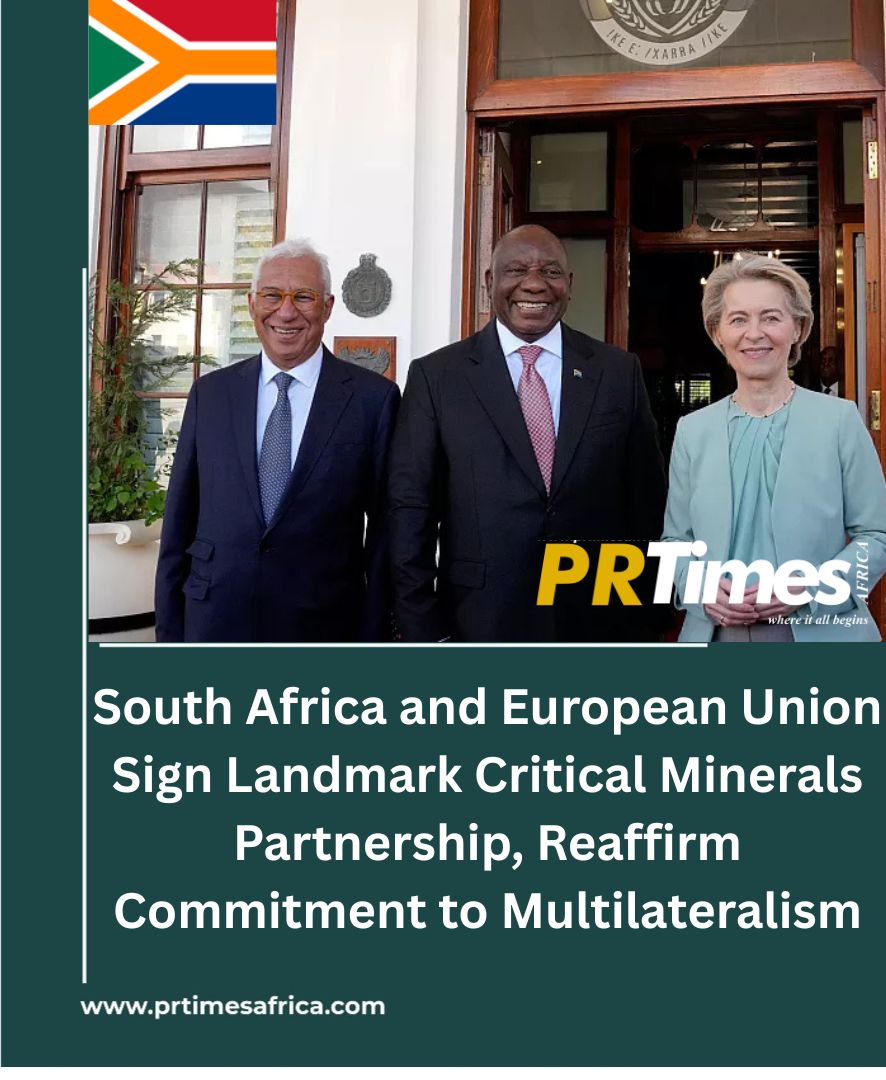
  • South Africa and European Union Sign Landmark Critical Minerals Partnership, Reaffirm Commitment to Multilateralism

    South Africa and European Union Sign Landmark Critical Minerals Partnership, Reaffirm Commitment to Multilateralism

    South Africa and European Union Sign Landmark Critical Minerals Partnership, Reaffirm Commitment to Multilateralism

    By: Keziah Biya

    Pretoria/Brussels – 20 November 2025
    South Africa and the European Union have formally signed a strategic partnership on critical minerals and renewable energy value chains, in a move both sides hailed as a cornerstone of “fair, sustainable and rules-based” global trade in the materials essential for the green and digital transitions.

    The agreement was signed on the sidelines of the 17th South Africa–EU Summit in Pretoria by South African President Cyril Ramaphosa and European Commission President Ursula von der Leyen, in the presence of Trade and Industry Minister Parks Tau, EU Trade Commissioner Valdis Dombrovskis and Energy Commissioner Kadri Simson.


    Key pillars of the pact

    The partnership rests on five main work streams:

    1. Joint development of sustainable raw materials value chains
      • Mapping and co-financing of bankable mining, refining and recycling projects in South Africa (especially manganese, platinum-group metals, vanadium, chromium and graphite).
      • Commitment to ESG (environmental, social and governance) standards aligned with the EU’s forthcoming Critical Raw Materials Act and South Africa’s own Just Energy Transition framework.
    2. Integration into downstream industries
      • Support for local beneficiation (refining and manufacturing) of battery-grade manganese sulphate, vanadium redox flow batteries, fuel-cell catalysts and green steel using South African chromium and manganese.
    3. Research, innovation and skills
      • €150 million initial contribution from the EU’s Global Gateway initiative for geological surveys, R&D centres and vocational training programmes.
      • Establishment of a joint South Africa–EU Critical Minerals Development Institute.
    4. Infrastructure and energy
      • Co-financing of grid upgrades and renewable energy projects to power new processing facilities.
      • Exploration of green hydrogen partnerships using South Africa’s abundant platinum and renewable resources.
    5. Trade and investment facilitation
      • Streamlined permitting and investment protection measures.
      • Commitment to avoid export restrictions on critical minerals destined for the partner (a direct response to recent Indonesian and Chinese export curbs).

    Strategic and geopolitical significance

    President Ramaphosa described the deal as “a new chapter of equitable partnership” that moves away from the historic pattern of Africa exporting raw materials and importing finished goods.

    “This is not charity; it is mutually beneficial industrial cooperation,” he said. “South Africa brings the resources and the workforce; Europe brings capital, technology and market access. Together we reduce risky dependencies on single suppliers

    .”President von der Leyen explicitly framed the agreement as a victory for multilateralism at a time of rising protectionism:“In an era where some prefer unilateral restrictions and coercive diplomacy, South Africa and the EU are proving that open, rules-based cooperation remains the best path to secure supply chains and accelerate the green transition.

    ”The pact is widely seen as Europe’s strongest push yet to diversify away from China, which currently dominates refining of many battery and renewable-energy metals (controlling ~90 % of manganese refining, ~85 % of cobalt and ~65 % of lithium processing capacity globally).


    Economic implications

    South Africa is the world’s largest producer of manganese (38 % of global supply), platinum (72 %), rhodium (82 %) and chromium (42 %), and holds significant vanadium and graphite deposits. The country aims to capture a larger share of the estimated $400 billion annual battery value chain by 2035.Analysts estimate the partnership could unlock up to €12 billion in new investments in South Africa’s mining and processing sectors over the next decade, creating tens of thousands of direct and indirect jobs in Mpumalanga, Limpopo and the Northern Cape.


    Reactions

    • Business Unity South Africa (BUSA) welcomed the deal, saying it “finally gives policy certainty to investors who have been waiting for a clear green-industrialization  road map”.
    • The Congress of South African Trade Unions (COSATU) cautiously supported the pact but demanded “iron-clad guarantees” on local procurement and skills transfer.
    • Environmental groups such as groundwork and the Centre for Environmental Rights called for strict oversight to prevent the expansion of mining in ecologically sensitive areas.

    The agreement will be overseen by a high-level South Africa–EU Critical Minerals Council that meets annually, with the first technical working groups scheduled to convene in Brussels in February 2026.

    With this partnership, South Africa consolidates its position as a pivotal swing supplier in the global critical-minerals chessboard, while the European Union takes its most concrete step yet toward “de-risking” its green industrial strategy through trusted, values-aligned partners.


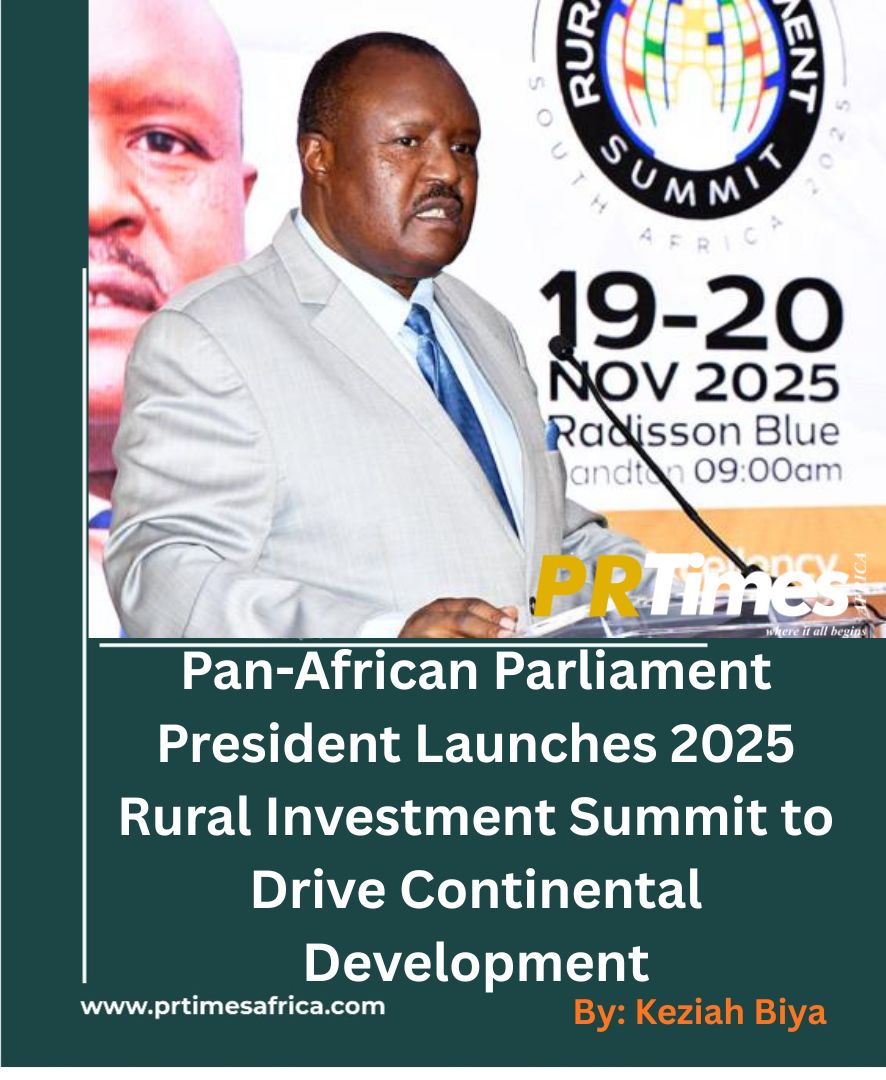
  • Pan-African Parliament President Launches 2025 Rural Investment Summit to Drive Continental Development

    Pan-African Parliament President Launches 2025 Rural Investment Summit to Drive Continental Development

    Pan-African Parliament President Launches 2025 Rural Investment Summit to Drive Continental Development


    Midrand, South Africa. His Excellency Chief Fortune Zephania Charumbira, President of the Pan-African Parliament (PAP), today officially launched the 2025 Rural Investment Summit, a landmark event aimed at mobilizing resources, policy support, and cross-continental partnerships to transform Africa’s rural economies.

    Speaking at the opening ceremony, Chief Charumbira underscored the urgency of targeted investment in rural areas, calling them “the bedrock of Africa’s future.” He highlighted that while cities often capture headlines and capital flows, rural communities remain critical to food security, social stability, and inclusive prosperity.

    “It is time that our collective development does not leave behind our rural brothers and sisters,” Charumbira said. “Through strategic investment, innovation, and partnership, we can unlock the latent potential in our villages, farmlands, and small towns, and deliver sustainable change across the continent.”

    Key Themes & Strategic Pillars

    The 2025 Rural Investment Summit will center around four main pillars:

    1. Agricultural Innovation & Sustainability

    Promote climate-smart agriculture, mechanization, and agri-technology to boost productivity

    Invest in agribusiness value chains, from smallholder farmers to processing and distribution

    1. Infrastructure & Connectivity

    Expand rural infrastructure, including roads, water supply, energy, and sanitation

    Bridge the digital divide by improving broadband access and digital literacy in remote regions

    1. SME & Rural Finance

    Facilitate access to affordable financing for rural enterprises

    Encourage private-sector partnerships to scale locally driven businesses

    1. Social Development & Community Services

    Strengthen education, healthcare, and social protection services in rural communities

    Empower youth and women in rural areas through skills development and entrepreneurship

    Major Announcements & Commitments

    As part of the Summit launch, several high-profile commitments were made:

    PAP announced the creation of a Pan-African Rural Investment Facility (PARIF), a multi-year investment vehicle that will pool public and private funding for rural development projects.

    The Summit has secured partnerships with several African development banks, regional economic communities, and international financial institutions to co-finance infrastructure and agricultural ventures.

    A continental “Rural Digital Inclusion Initiative” was unveiled, with a goal to bring affordable high-speed internet to underserved rural zones by 2030.

    Stakeholder Engagement & High-Level Participation

    The Summit will run for three days and bring together a diverse range of stakeholders:

    Heads of State and Government from PAP member parliaments

    Agricultural firms, agri-tech innovators, and agribusiness investors

    Multilateral development agencies, including regional development banks

    Parliamentarians from national legislatures, local governments, and rural constituencies

    Civil society organizations focused on rural empowerment, gender inclusion, and youth development

    Several policy roundtables will focus on harmonizing rural development strategies across regions, and there will also be innovation showcases that spotlight scalable, grassroots solutions.

    Strategic Alignment with Continental Goals

    The Summit aligns closely with Agenda 2063, the African Union’s long-term blueprint for socio-economic transformation. In his remarks, Chief Charumbira stressed that rural investment is not just about economic returns but also about achieving continental integration, reducing inequality, and strengthening food security.

    He also referenced PAP’s role as a continental legislative body, urging African parliaments to champion enabling laws, regulatory reforms, and budget allocations that support rural transformation.

    Quotes from Key Figures

    Chief Fortune Charumbira, PAP President:

    “Our mission is not only to legislate but also to catalyze action, to make our Pan-African Parliament a real driver of development in every African community.”

    Hon. Dr. Fatimetou Habib, 1st Vice-President of PAP:

    “Investing in rural areas is an investment in our people, in their dignity, creativity, and resilience. This Summit is a call to us all: governments, financiers, and civil society  to walk together.”

    Expected Outcomes & Next Steps

    By the close of the Summit, organizers expect to:

    1. Finalize a multi-stakeholder roadmap for rural development across PAP’s member states
    2. Secure binding commitments from governments and investors to support rural projects
    3. Launch pilot projects in several regions to test scalable models for sustainable rural growth

    PAP also announced plans for a mid-term review in 2027 to assess progress and adjust strategies as needed.

    About the Pan-African Parliament (PAP)

    The Pan-African Parliament, established under the African Union, is a continental legislative body that gives African citizens a voice in broader continental decision-making. PAP works to promote democracy, human rights, integration, and sustainable development across member states. Its Bureau — led by President Chief Fortune Charumbira — is responsible for guiding its strategic direction and oversight.

     

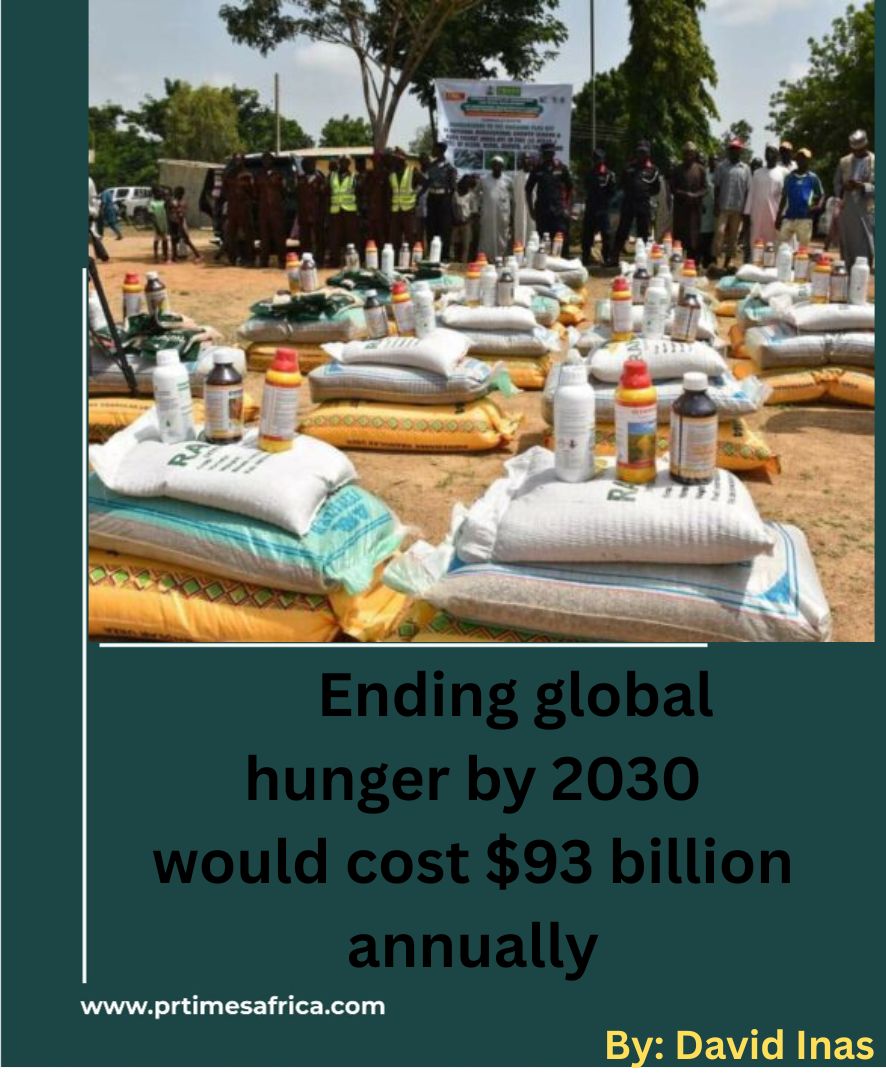
  • Ending global hunger by 2030 would cost $93 billion annually

    Ending global hunger by 2030 would cost $93 billion annually

    Ending global hunger by 2030 would cost $93 billion annually – less than 1% of the $21.9 trillion spent on military budgets in the past decade, according to the UN World Food Programme (WFP).Yet by 2026, an estimated 318 million people will face crisis-level hunger or worse – more than double the 2019 figure. Last year alone, 295 million people suffered acute hunger, up 14 million from the previous year.Speaking at the UN Security Council, Deputy Secretary-General Amina Mohammed warned that food has become a weapon of war, with armed conflict now the main driver of hunger in nearly every hotspot. She criticised the prioritisation of military spending over ending hunger, saying: “Families are paying the price for wars they did not start and decisions made in rooms where their voices are never heard.”WFP Executive Director Cindy McCain called simultaneous famines in Gaza and parts of Sudan “completely unacceptable in the 21st century” and stressed that proven, innovative solutions exist – but require far greater funding and political will.In 2026, WFP plans to reach 110 million of the most vulnerable people with emergency aid, nutrition, and resilience programmes at a cost of $13 billion – a fraction of global military expenditure.
  • An anti-migrant group called Operation Dudula is stopping foreigners from accessing public health clinics in South Africa.

    An anti-migrant group called Operation Dudula is stopping foreigners from accessing public health clinics in South Africa.

    An anti-migrant group called Operation Dudula is stopping foreigners from accessing public health clinics in South Africa.

    In South Africa, the anti-migrant vigilante group Operation Dudula (“push out by force”) has begun blocking foreigners from entering public health clinics, particularly in Gauteng province. Members, often in military-style uniforms, demand South African ID documents at clinic entrances and turn away those without them, including pregnant women and sick children, directing them to costly private facilities. The Johannesburg High Court has declared these actions unlawful and ordered the group to stop. South Africa’s government and Health Minister Aaron Motsoaledi insist that public healthcare is legally available to everyone, regardless of documentation or nationality. Despite the ruling and official condemnation, Operation Dudula’s support is growing amid high unemployment (over 31%) and longstanding anti-immigrant sentiment. The group, which previously targeted foreign-owned shops and schools, says it will appeal the court decision. Human rights organizations and anti-xenophobia activists condemn the vigilante checks as illegal, noting that even some South African citizens lack proper ID. Police have made occasional arrests, but security at clinics remains limited. South Africa, the continent’s most industrialized economy, hosts around 2.4 million foreign nationals (about 4% of its population) and deported nearly 47,000 undocumented migrants last year. The targeting of healthcare access marks a new escalation in the country’s recurring waves of anti-migrant tension.

    #southafricanews
    #africanews
    #prtimesafrica
    #operationdudula

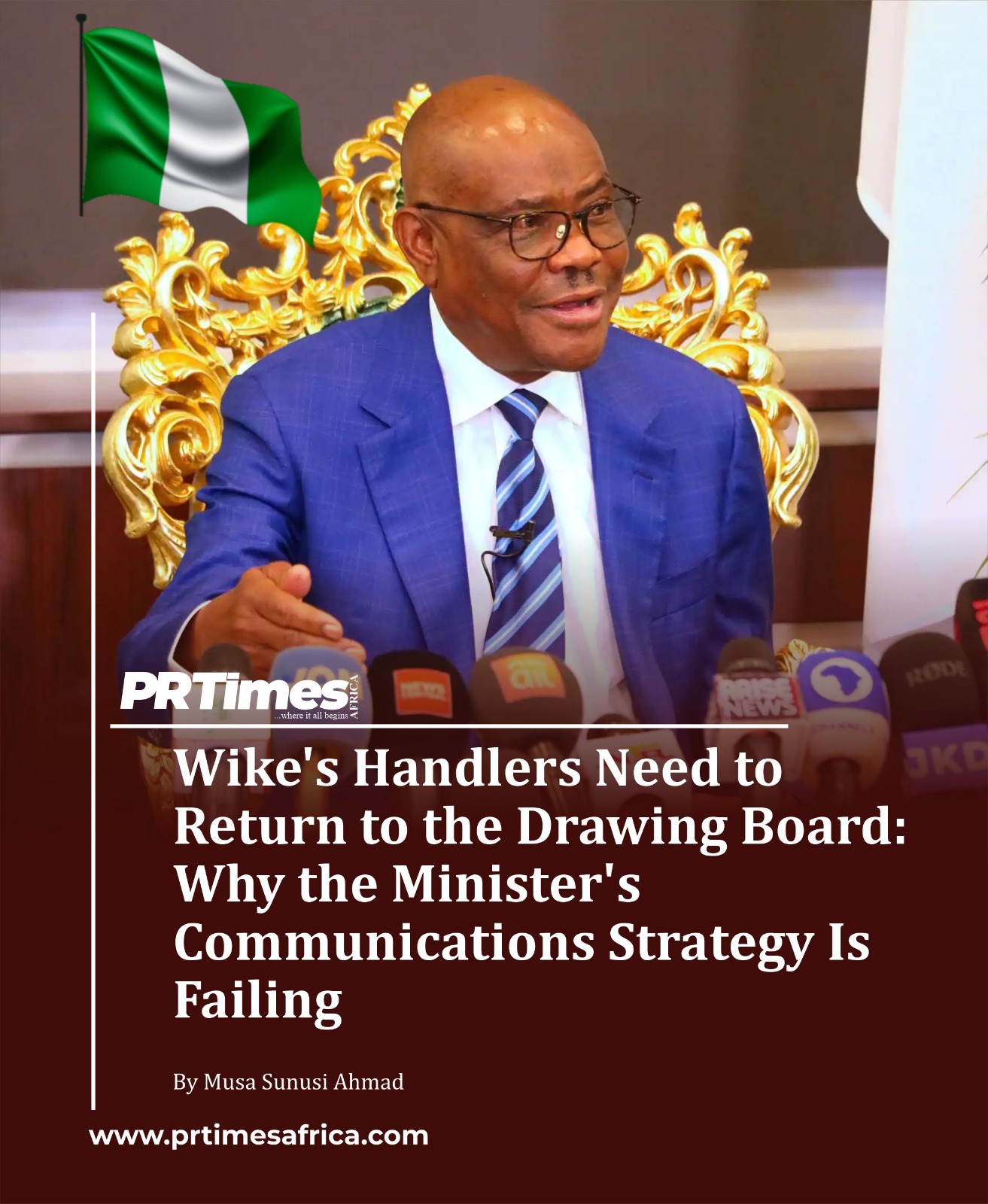
  • Wike’s Handlers Need to Return to the Drawing Board: Why the Minister’s Communications Strategy Is Failing

    Wike’s Handlers Need to Return to the Drawing Board: Why the Minister’s Communications Strategy Is Failing

    Wike’s Handlers Need to Return to the Drawing Board: Why the Minister’s Communications Strategy Is Failing.


    By Musa Sunusi Ahmad

    When a political figure dominates headlines as consistently as Nyesom Wike, it is easy to assume their
    communications machinery is deliberate, coordinated, and airtight. Yet the opposite appears
    increasingly true. The Minister of the Federal Capital Territory (FCT), known for his bold rhetoric and
    political unpredictability, is now surrounded by a communications ecosystem that often seems reactive,
    fragmented, and out of sync with both his style and his long-term intentions.

    In an era where public perception can shift overnight, Wike’s handlers face an urgent need to return to
    the drawing board and craft a communications strategy that is not only befitting of his political stature
    but also reflective of the complexities and contradictions that shape his leadership.

    A Communications Strategy That Has Lost Its Grip

    The first sign of strategic fatigue is the reliance on unrewarding media chats, spontaneous press
    engagements, and commentary that adds little value beyond sound bites. These occasional media
    interactions, once a hallmark of Wike’s direct style, have become platforms where messages are neither
    sharpened nor sustained.

    The danger of such tactics is simple: message dilution. Inconsistent and uncoordinated communication
    does more harm than silence, especially when it fuels confusion about intentions, policies, and goals.

    For a leader as influential and polarizing as Wike, this lack of communications structure creates narrative
    vacuums that critics, political opponents, and even allies are eager to fill.

    Handlers Who Don’t Know the Destination Cannot Shape the Journey

    A central problem seems to be that many of Wike's handlers simply do not understand his true
    intentions or ultimate political goal. Political communication requires clarity of purpose, but when aides
    and spokespeople speak without understanding the deeper vision, their messages become superficial,
    defensive, or contradictory.

    This disconnect is evident in:

    – Mixed messaging on FCT policies

    – Conflicting explanations on political alliances

    – Reactive responses to controversies instead of proactive framing

    A lack of narrative continuity between Wike’s past, present, and future political ambitions

    In professional communications, alignment is not optional, it is foundational. Without it, the handlers
    are left guessing, and the public is left confused.

    Scrapping Media Chats: A Necessary but Incomplete Step

    There has been talk in political circles about discontinuing the traditional Wike-style media chats. While
    this may reduce miscommunication, it does not solve the underlying problem.

    Scrapping media chats without replacing them with a structured communications architecture is like
    removing the engine from a car and hoping momentum alone will keep it moving.

    What Wike’s brand needs is not fewer engagements but smarter engagements:

    – Carefully curated interviews

    – Strategic op-eds

    – Narrative-driven public addresses

    – Data-backed policy briefings

    – Audience-specific messaging frameworks

    The goal isn’t to silence Wike, the goal is to manage the story.

    Rebuilding the Communications Machine: What Needs to Change

    To restore credibility and coherence, Wike’s communications team must undergo a strategic overhaul.
    This includes:

    1. A Unified Messaging Blueprint

    Clear pillars that define Wike’s identity, policy direction, and long-term political vision.
    Every spokesperson should speak from the same script, not the same sentences, but the same strategy.

    2. Proactive Agenda Setting

    Lead with announcements, not reactions.
    Shape the conversation before others shape it for him.

    3. Professionalization of the Comms Team

    Shift from loyalists to communications professionals equipped with political communication expertise,
    audience segmentation skills, and crisis communication experience.

    4. Internal Clarity Before External Messaging

    Wike himself must communicate his long-term intention, at least to his core strategists.
    When handlers know the destination, they can chart a coherent route.

    5. Replace Media Chats With Structured Communication Platforms

    Not less communication, better communication.

    A Leader With a Powerful Voice Needs a Powerful Strategy

    Nyesom Wike is a political force, energetic, influential, charismatic, and often unpredictable. These
    qualities can be strengths, but only when supported by a communications strategy strong enough to
    harness them.

    Right now, that foundation is shaky.

    To stay ahead of the political narrative and maintain credibility in the public eye, his handlers must
    return to the drawing board, rebuild the communications architecture, and adopt a strategy worthy of
    his stature.

    Because in modern politics, power is not only about what is done, but how it is communicated.

  • Kenya Clears Way for Rostam Aziz’s $130 Million Taifa Gas Terminal, Set to Become Africa’s Largest LPG Facility.

    Kenya Clears Way for Rostam Aziz’s $130 Million Taifa Gas Terminal, Set to Become Africa’s Largest LPG Facility.

    Kenya Clears Way for Rostam Aziz’s $130 Million Taifa Gas Terminal, Set to Become Africa’s Largest LPG Facility.


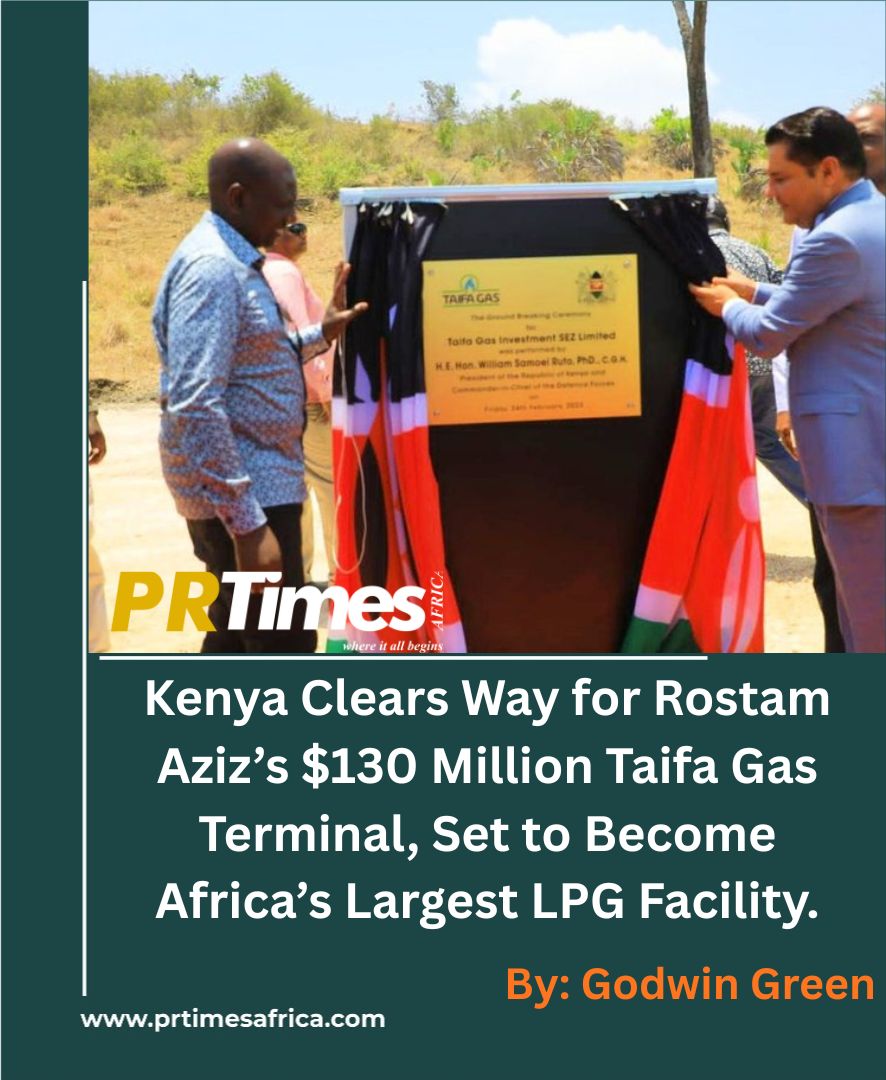
    Kenya has formally paved the way for the construction of Taifa Gas Investments’ $130 million LPG terminal in Mombasa, following a decisive ruling by the Environment and Land Court that dismissed a petition seeking to halt the project. The development marks a major boost for the country’s clean-energy ambitions and positions the facility as potentially the largest LPG terminal in Africa.

    The petition, filed by two residents from Likoni, challenged the project’s environmental approvals. However, the court upheld Taifa Gas’s preliminary objection, affirming that the company’s Environmental Impact Assessment licence had been lawfully issued and fully complied with Kenya’s environmental and constitutional requirements. With the case struck out, a previous restraining order automatically lapses, allowing construction to proceed.

    Taifa Gas founder Rostam Aziz welcomed the ruling, describing it as a strong validation of Kenya’s regulatory integrity and a boost for investor confidence. He said the 30,000-tonne terminal would play a transformative role in expanding clean-energy access, stabilising regional supply chains, and strengthening long-term energy security across East Africa.

    Aziz also highlighted the project’s community impact, noting that Taifa Gas is investing in social-economic programmes designed to uplift local communities, particularly by empowering women in the project’s surrounding areas.

    The court ruling also sets a significant legal precedent. Justice Stephen Kibunja underscored that environmental approvals issued by the National Environment Management Authority (NEMA) and upheld by the National Environment Tribunal (NET) cannot be subjected to repeated litigation by similar parties on the same grounds. The clarity, observers say, offers vital predictability for large-scale investors in the country.

    When completed, the LPG terminal is expected to play a central role in Kenya’s National Energy Policy (2018) and its clean-cooking strategy, which aims to increase household LPG penetration from 24% to 70% by 2028. With a 30,000-metric-tonne storage capacity, the facility is set to ease import constraints, enhance competition, stabilise prices, and ensure a reliable supply of LPG for domestic and industrial users.

    The project also aligns with broader regional goals under the African Continental Free Trade Area (AfCFTA) and the East African Community (EAC), strengthening cross-border energy cooperation between Kenya and Tanzania. Taifa Group, whose investments span energy, logistics, telecoms, mining, agriculture, and manufacturing sees the terminal as a cornerstone for long-term economic integration and cleaner energy adoption in the region.

    As construction resumes, the terminal is expected to generate jobs, support industrial growth, and reinforce Kenya’s emergence as a critical energy hub for East Africa.


  • China’s Premier Visits Zambia in Landmark Trip as Global Powers Compete for Investment Influence.

    China’s Premier Visits Zambia in Landmark Trip as Global Powers Compete for Investment Influence.

    China’s Premier Visits Zambia in Landmark Trip as Global Powers Compete for Investment Influence.


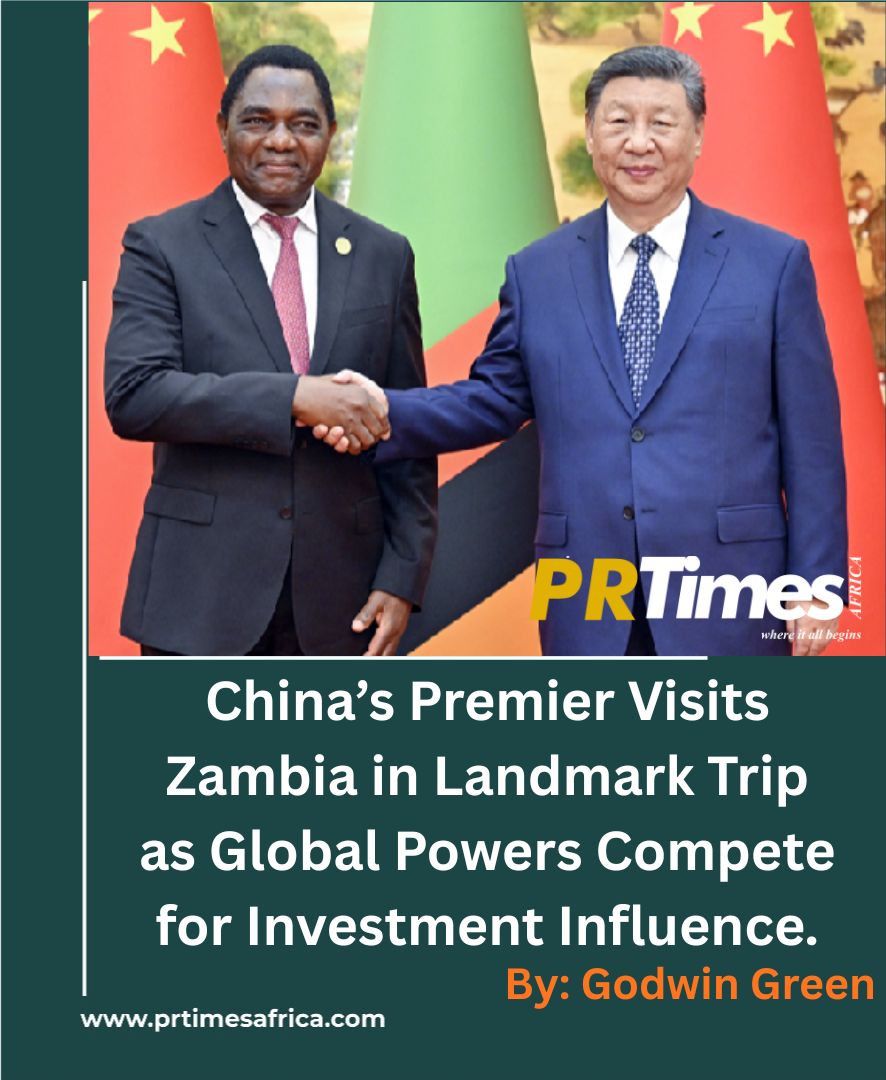
    China’s Premier Li Qiang has arrived in Zambia for a landmark state visit — the first trip by a Chinese premier to the country in nearly three decades — signalling Beijing’s renewed push to strengthen economic and strategic ties with the copper-rich nation.

    The visit comes as Zambia emerges from a prolonged debt crisis after restructuring about $13.4 billion in external obligations. China, which remains Zambia’s largest bilateral creditor with loans totaling $5.7 billion, is positioning the trip as a demonstration of its long-term commitment to Zambia’s economic recovery and development.

    Zambia is now shifting its focus from borrowing to attracting direct investment, especially in mining, infrastructure, industrial capacity, and clean energy. Chinese companies are expected to expand their footprint across these sectors, while Beijing aims to increase its exports of machinery, construction equipment, and other industrial goods to the Zambian market.

    Economic projections remain optimistic. The World Bank forecasts that Zambia’s economy could grow by 6.5% next year, one of the strongest outlooks in the region.

    Li’s visit also comes amid heightened scrutiny following an industrial incident earlier this year, when a Chinese-run copper operation spilled contaminated water into the Kafue River. The issue has drawn attention to environmental compliance and regulatory oversight in Zambia’s mining sector.

    China has also approved a significant upgrade of the historic TAZARA Railway, a key regional transport artery linking Zambia to Tanzania. The move is viewed as part of China’s broader strategic competition with Western-backed projects such as the Lobito Corridor, which is supported by the U.S. and European partners.

    According to China’s ambassador to Zambia, Han Jing, the visit is expected to result in “dozens of cooperation agreements,” covering areas such as industrial development, infrastructure, technology transfer, and social programmes. Beijing argues that its investment model is helping Zambia strengthen its economic resilience, expand value-added industries, and advance long-term development goals.

    Premier Li’s trip underscores Zambia’s increasingly pivotal role in the geopolitical competition for influence and investment across Africa, with both China and Western nations vying to position themselves as Lusaka’s most reliable development partner.


  • At a glance — why DRC matters.

    At a glance — why DRC matters.

    At a glance — why DRC matters

    The DRC holds the world’s dominant share of cobalt reserves and supplies the majority of global cobalt used in batteries; it’s also a top global producer of copper, and an important source of gold, tin (cassiterite), tantalum (coltan), tungsten and other strategic minerals.

    Main minerals & markets

    Cobalt used in lithium-ion batteries and specialty alloys. The DRC supplies the lion’s share of global cobalt (estimates commonly 70% of refined market share at times), making its policies and output critical for EV and electronics supply chains. Major buyers and processors are heavily concentrated in China.

    Copper  large industrial-scale mines (both foreign and state/joint ventures) produce copper that largely flows to global smelters and industrial buyers; copper is central to DRC export earnings.

    Gold, tin (cassiterite), tantalum (coltan), tungsten  often produced both by large companies and by artisanal and small-scale miners (ASM). Tin/tantalum/tungsten/gold (3TG) are the classic “conflict minerals” historically linked to insecurity in the eastern provinces.

    How minerals are produced and traded (formal vs. informal)

    Industrial mining: large-scale, licensed operations (often joint ventures with foreign companies) extract ore, which is sold/exported or processed locally if refineries exist. Foreign capital, particularly from Chinese firms — plays a major role in financing mines and infrastructure.

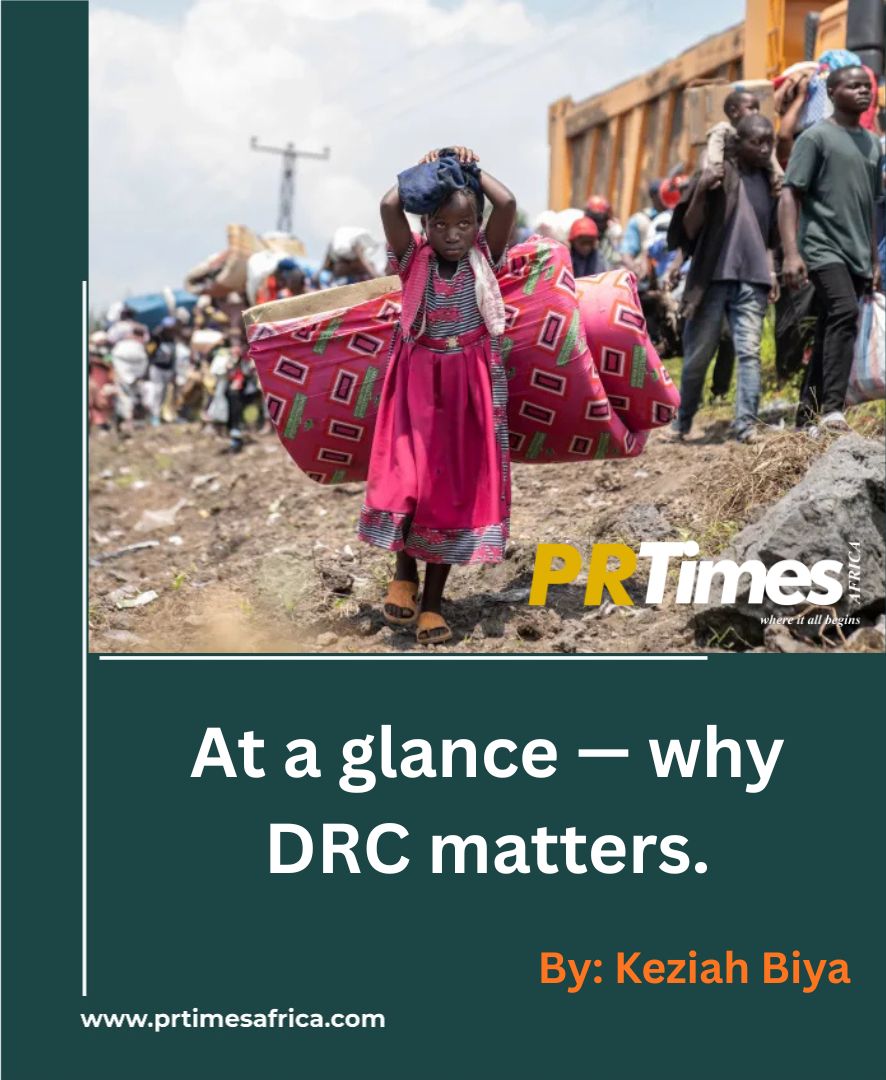
    Artisanal & small-scale mining (ASM): millions of Congolese depend on ASM for livelihoods. ASM is often informal, poorly regulated, and hard to trace, this creates major human-rights, child-labour and conflict-financing risks, plus difficulties for responsible sourcing. Recent efforts aim to formalize traceability of artisanal cobalt.

    Recent and high-impact policy moves (2024–2025)

    Export controls and quotas on cobalt: The Congolese authorities have used export suspensions and quotas on cobalt to try to stabilize prices and encourage local processing. In 2025 there were temporary export suspensions and later a quota regime introduced to control volumes and support prices. These measures directly affect global supply and prices because DRC supplies most cobalt.

    Moves to formalize artisanal cobalt: State and parastatal actors have begun traceability initiatives for artisanal cobalt (e.g., the first recorded shipments of traceable artisanal cobalt), aiming to improve ESG compliance and access to responsible buyers.

    Major commercial and geopolitical players

    China: Chinese mining firms and state-backed investments are deeply embedded in DRC mining (infrastructure-for-minerals deals, mine investments, and downstream processing). China is the biggest single market/processor for many DRC minerals.

    Global miners & traders: Multinationals (major miners, traders and refiners) operate mines, purchase concentrates, or source refined metal; they are affected by DRC export rules and by buyer due-diligence demands from Western OEMs and smelters.

    Supply-chain risks & governance challenges

    Conflict & financing of armed groups: Minerals from parts of eastern DRC have historically financed armed groups. International policy responses (e.g., regulatory due-diligence regimes and corporate sourcing policies) target this risk, but impacts on peace and local welfare are mixed.

    Illicit trade & smuggling: Porous borders, weak governance in certain regions, and complex trading networks create avenues for smuggling, often rerouting minerals through neighboring countries and complicating traceability.

    Human rights & labor risks: Child labor, hazardous working conditions, and lack of social protections are persistent problems in ASM operations. Traceability and formalization programs aim to tackle this but scale and enforcement are challenges.

    International regulation & corporate due diligence

    OECD Guidance: Companies sourcing from conflict-affected and high-risk areas are urged to follow the OECD due-diligence guidance for responsible mineral supply chains; this is the prevailing international standard for corporate traceability and risk-mitigation.

    U.S. Dodd-Frank (Section 1502) and disclosure rules: U.S. regulation has required, in different forms over time, traceability and disclosures for 3TG minerals from the DRC/adjoining countries and public reporting/ enforcement debates continue about their effectiveness. GAO and other reviews have questioned how much disclosure rules alone have improved peace and security.

    Economic impacts and revenue management.

    Revenue potential vs. capture: Minerals are a huge revenue potential for DRC but translating resource wealth into inclusive development is hampered by limited processing capacity, governance shortfalls, illicit trade and renegotiations over royalties/terms. Recent export policies (quotas, bans) are explicitly intended to capture more value domestically (e.g., by favoring local processing) and to stabilize export revenue.

    Recent trends you should know (2024–late-2025)

    Price and policy volatility: Oversupply and price drops in cobalt markets have driven government interventions (export suspensions/quotas) to support prices. Those interventions materially reshape global supply expectations.

    Traceability experiments scaling: The first significant batches of traceable artisanal cobalt were reported (2025), showing pilots that could unlock responsible buyers for ASM-sourced cobalt if scaled.

    Large Chinese investments continue: Chinese firms keep committing large capital (both for mines and associated infrastructure), shifting the investment and geopolitical balance of DRC mineral trade.

    Practical implications for different actors

    Buyers / OEMs: Need robust due-diligence (OECD framework), multi-tier traceability, and monitoring of regulatory changes (quotas, export bans) to manage supply risks.

    Investors / traders: Must model political risk (export controls, quota enforcement) and ESG liabilities tied to ASM and conflict-area sourcing.

    Policymakers / advocates: Should balance revenue capture and local processing goals with protecting ASM livelihoods and preventing unintended displacements or illicit markets. Traceability pilots show promise but need scale and safeguards.


Hot daily news right into your inbox.

Headline

Never Miss A Story

Get our Weekly recap with the latest news, articles and resources.
Cookie policy
We use our own and third party cookies to allow us to understand how the site is used and to support our marketing campaigns.