Dozens Dead After Bridge Collapse at Cobalt and Copper Mine in DR Congo


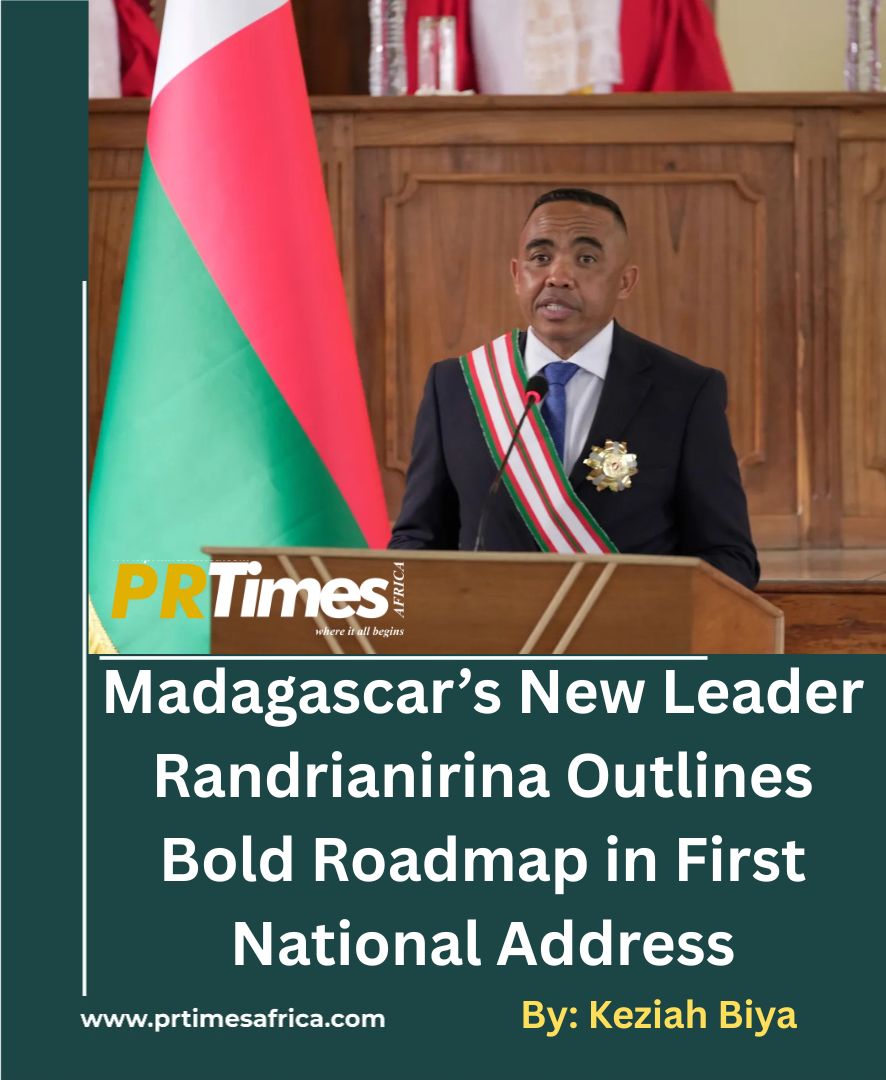
ANTANANARIVO, Madagascar – In a historic address broadcast live across the nation on Sunday evening, Colonel Michael Randrianirina, Madagascar’s interim president, unveiled a comprehensive six-point roadmap aimed at “refounding” the island republic amid ongoing political transition. Speaking from the presidential palace in the capital, Randrianirina emphasized national unity, transparency, and long-term stability, framing the initiative as a direct response to the youth-led protests that propelled him to power just weeks ago. The speech, his first formal national address since assuming office on October 17, 2025, drew cautious optimism from civil society leaders while underscoring the challenges of rebuilding trust in a country scarred by decades of instability.
A Turning Point Born from Unrest
Randrianirina’s ascent followed a dramatic military-led takeover on October 14, 2025, which ousted former President Andry Rajoelina amid widespread “Gen Z” demonstrations. Sparked by chronic shortages of electricity and water, the protests—led largely by young Malagasy frustrated with corruption and inequality—escalated into calls for systemic overhaul. At least 22 people were killed in clashes with security forces, according to United Nations reports, before Randrianirina’s elite CAPSAT unit broke ranks, joining protesters and dissolving key institutions except the National Assembly.
Sworn in at the High Constitutional Court on October 17, the 51-year-old colonel—born in the southern Androy region and a veteran of Madagascar’s special forces—promised a break from the past. “Sixty-five years after independence, Madagascar remains one of the world’s poorest nations,” he declared during his inauguration, vowing to address the “pillage of resources and embezzlement of public goods” that fueled public outrage. With an average population age under 20 and poverty affecting three-quarters of its 30 million citizens, the nation faces acute vulnerabilities, including malnutrition impacting 1.3 million people, per World Bank and UN data.
In the intervening month, Randrianirina has moved swiftly to consolidate his administration. On November 1, he appointed a mostly civilian cabinet under Prime Minister Herintsalama Rajaonarivelo, including critics of the Rajoelina era and just four military figures among 29 ministers. The move signals a hybrid military-civilian governance model, with elections slated within two years. International partners, including the U.S. ambassador, attended his swearing-in, though the African Union suspended Madagascar’s membership and the UN condemned the events as a coup—charges Randrianirina rejects, insisting his actions “answered the people’s calls.
“The Six Pillars of Refoundation
Delivered in Malagasy to underscore cultural sovereignty—a deliberate nod to distancing from colonial legacies—Randrianirina’s address launched a “national concertation” process, inviting input from civil society, political parties, youth groups, and traditional leaders. The roadmap, which he described as “the collective will to build a just, stable, and sustainable republic,” centers on six interconnected priorities:
Restoring Trust Between State and Citizens: Randrianirina pledged immediate community dialogues to rebuild faith in institutions eroded by years of graft. “The state must serve, not exploit,” he said, announcing decentralized forums starting in Antananarivo next month.
Strengthening Governance and Transparency: Reforms will include digitalizing public services and mandating open budgets for all ministries. Drawing from the Gen Z demands for accountability, the plan targets universal access to essentials like water, electricity, healthcare, and education within 18 months.
Intensifying the Fight Against Corruption: A new independent anti-corruption commission, staffed by civilians and overseen by the transitional council, will audit past dealings and prosecute embezzlement cases. Randrianirina highlighted this as key to “ending the cycle of injustice.”
Guaranteeing the Republican Role of Armed Forces: The military, paramilitary gendarmerie, and police will form a supervisory committee but commit to non-partisan duties. “Our forces protect the people, not power,” he affirmed, echoing his earlier refusal to repress protesters.
Drafting Fundamental Texts for the New Republic: Constitutional experts will convene to revise the charter, incorporating public submissions. This includes protections for human rights, environmental safeguards for Madagascar’s biodiversity-rich ecosystems, and youth quotas in future governance.
Organizing a Constitutional Referendum and Elections: Culminating in a nationwide vote on the new framework by mid-2026, followed by “free and fair” polls recognized internationally. Randrianirina invited global observers, signaling openness to partnerships with the EU and AU for legitimacy.
The roadmap builds on his inaugural pledges to “restore Madagascar to its former glory” and tackle insecurity, with early actions including humanitarian aid distributions and infrastructure audits.
Reactions: Hope Tempered by Skepticism
The address resonated strongly with the youth activists who ignited the change. “This is our victory—a real chance to end elite capture,” said Andry Nirina, a 22-year-old organizer from the Gen Z movement, in an interview with local outlet Real TV Madagasikara. Protesters’ five core demands—Rajoelina’s resignation, democratic governance, basic needs access, anti-corruption resistance, and national dialogue—appear woven into the plan, fostering guarded enthusiasm.
Civil society groups, however, urged vigilance. Florent Rakotoarisoa, president of the High Constitutional Court, praised the “inclusive vision” but criticized international “coup” labels as overlooking local context. Economists note the stakes: Madagascar’s GDP per capita has halved since 1960, per World Bank figures, with inflation at 0.2% but extreme poverty at 20.8% under recent stabilization efforts.
Internationally, responses are mixed. Russia, whose flags waved during protests, has signaled “serious cooperation” via embassy talks, while the EU calls for “democratic values” through dialogue. Rajoelina, now in exile, condemned the transition as illegitimate, though his influence wanes.
Looking Ahead: Challenges in a Fragile Transition
As Madagascar navigates this pivotal moment, Randrianirina’s roadmap offers a blueprint for renewal—but implementation will test his resolve. With a transitional period capped at two years, the focus shifts to tangible wins: stabilizing utilities, curbing graft, and empowering the youth whose fervor toppled a regime. “We joyfully open a new chapter,” he concluded, echoing his October words. Whether this chapter endures remains the nation’s collective challenge.
This report was compiled from official statements, on-the-ground interviews, and verified sources. For updates, follow developments through the transitional government’s channels.

Introduction
Africa stands at a transformative moment in its media evolution. The continent is witnessing a profound shift in how stories are created, shared, consumed, and monetized. From traditional oral narratives to digital-first content, African storytelling is being redefined by technology, youth culture, social impact movements, and a fast-changing media ecosystem. Today, African storytellers are not just chronicling events—they are shaping global perceptions, inspiring innovation, and building new economic pathways.
From Oral Tradition to Digital Expression
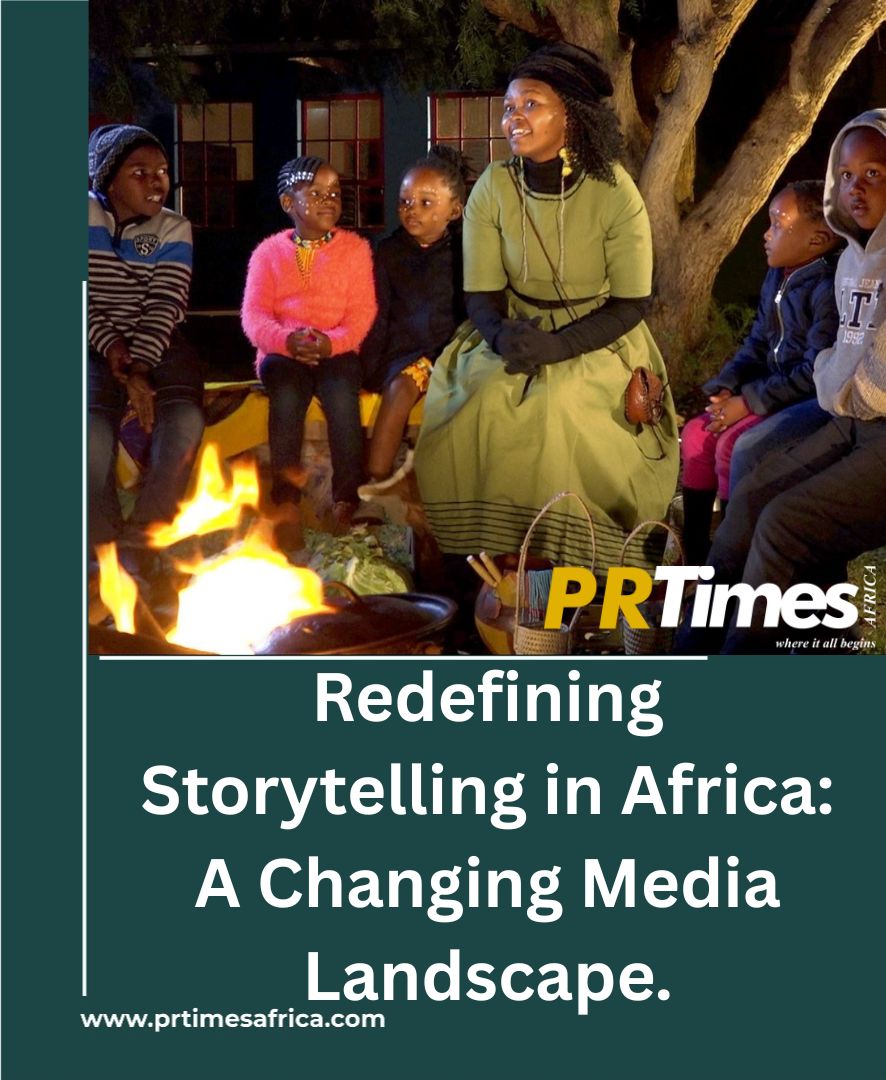
For centuries, African storytelling thrived through oral traditions—griots, folktales, music, cultural dances, and communal gatherings. Though powerful, these formats were limited by geography and access.
Today, digital platforms have expanded that tradition, allowing African stories to travel beyond borders and influence global conversations.
Hybrid Narratives
Modern African storytelling merges:
Oral heritage with podcasts and spoken-word poetry
Folklore with animated films and graphic novels
Historical retellings with virtual reality experiences
Music and dance with viral social media storytelling
This hybridization has created a new cultural renaissance.
Rise of Social Media Storytelling
Platforms such as TikTok, Instagram Reels, X (Twitter), and YouTube have democratized storytelling, giving millions a voice. Africans are leveraging short-form videos, memes, and visual threads to build narratives that are fast, engaging, and globally relatable.
Mobile-First Consumption
Africa is a mobile-first continent. With affordable smartphones and growing internet penetration, young creators now reach massive audiences from remote villages to global cities.
Streaming Platforms & Content Boom
Netflix, Amazon Prime, Showmax, and local platforms are investing heavily in African stories. Nollywood, Ghallywood, and South African cinema are rising as global content powerhouses.
Emerging Technologies
AI is enhancing scriptwriting, translation, and content distribution.
VR & AR are changing immersion levels in tourism, education, and gaming narratives.
Blockchain & NFTs offer new ownership and monetization models for creators.
Africa’s median age is 19.7—one of the youngest in the world. This youth population is shaping new storytelling norms defined by:
Bold creativity
Digital fluency
Disruptive thinking
Social justice consciousness
Cultural fusion (Afrobeats, Amapiano, fashion, sports, pop culture)
Young Africans are not waiting for traditional media—they are building their own channels, communities, and cultural footprints.
Shift from Traditional to Digital-First Media
Audiences no longer rely on TV and newspapers alone. They prefer:
On-demand content
Podcast storytelling
Short, emotional, shareable narratives
Credible, fast news via digital platforms
Traditional media outlets are forced to innovate or fade out.
Rise of Citizen Journalism
Ordinary people now capture and break major stories on smartphones before newsrooms do. This has diversified voices but also challenged accuracy and credibility.
A key movement in modern African storytelling is the reclaiming of the African narrative.
For decades, stories about Africa were told from outside, often highlighting poverty, war, and political instability.
Today, Africans are telling their own stories—on their terms.
This includes:
Highlighting innovation, creativity, and resilience
Celebrating achievers and change-makers
Documenting local realities with authenticity
Challenging stereotypes in Western media
Exporting African culture and lifestyle globally
The shift from narrative dependency to narrative sovereignty is one of the most powerful transformations happening now.
Brand Storytelling
Businesses now win audiences through meaningful, human-centered stories, not just advertising.
African brands use storytelling to build trust, purpose, and emotional connection.
Government & Development Communication
Governments and NGOs are turning to digital storytelling to:
Drive policy awareness
Inspire civic engagement
Combat misinformation
Highlight development progress
Promote national identity and cohesion
The Creative Economy
With the rise of film, music, gaming, fashion, and digital content creation, storytelling has become a major economic driver across Africa.
Even with progress, major challenges remain:
Misinformation and fake news
Lack of media literacy
Limited digital infrastructure in rural areas
Financial struggles for creators
Political censorship in some regions
Unequal access to global media platforms
What Lies Ahead?
The next decade of African storytelling will be shaped by:
Creator-led media companies replacing traditional gatekeepers
AI-assisted content creation
Cross-border media collaborations
Increase in multilingual content
Expansion of the African diaspora audience
More women and youth in leadership roles in media
Global demand for African culture and entertainment
Africa is not just participating in global storytelling—it is becoming a global storytelling powerhouse.
Conclusion
The redefinition of storytelling in Africa is more than a media shift—it is a cultural, economic, and generational transformation. As technology evolves and Africa’s creative energy continues to rise, the continent’s narrative power will only grow stronger.
African storytellers today are shaping identity, challenging perceptions, elevating local realities, and forging new pathways for global influence.
The story of Africa is no longer being told—Africa is telling it, and the world is listening.
In today’s fast-paced communication landscape, the most powerful brands are not just those with visibility—they are the brands whose reputation carries weight even when no one from the organization is in the room. A truly enduring brand is one that commands respect, credibility, and recognition without constant self-promotion. It speaks for you, represents your values, and influences conversations long before you arrive at the table.
The Power of an Autonomous Reputation
A strong brand reputation functions like a trusted ambassador. It precedes you. It shapes first impressions. It sets expectations. When stakeholders—investors, partners, regulators, customers, or the media—can confidently speak about your brand without your presence or explanation, you have built something resilient.
This is the level of equity every brand should aim for: a reputation rooted so deeply in integrity, consistency, and value that it becomes a reference point for others.
What Makes a Reputation Speak for Itself?
To reach this level, your brand must embody three core pillars:
Your messaging, behavior, customer experience, and leadership tone must align—always. A reputation weakened by inconsistency cannot advocate for you in absentia.
People trust what they can verify. Delivering on your promises, maintaining transparency, and honoring commitments allow your brand to grow into something others confidently vouch for.
Your brand’s values should be evident in how you operate, not simply in what you claim. When your values become visible through decisions and actions, your reputation carries your story on its own.
Why Your Brand Must Speak When You’re Not in the Room
Because crucial decisions—partnerships, funding, collaborations, invitations, opportunities—often happen long before you arrive. Your seat at the table is secured not when you show up, but when others already believe in the strength of your brand.
A reputation built on excellence ensures that whether you’re leading the conversation or far away from it, your brand remains part of the discussion. That is influence. That is presence. That is longevity.
Final Thought
Your brand is not what you tell people it is—it is what they say when you’re not there. Build it with intention. Strengthen it with authenticity. Guard it with excellence. And ensure that its voice is powerful enough to speak confidently in your absence.