WHO’s new 10-year strategy aims to protect millions from medical poverty and strengthen Africa’s health systems for the future.
By PR Times Africa
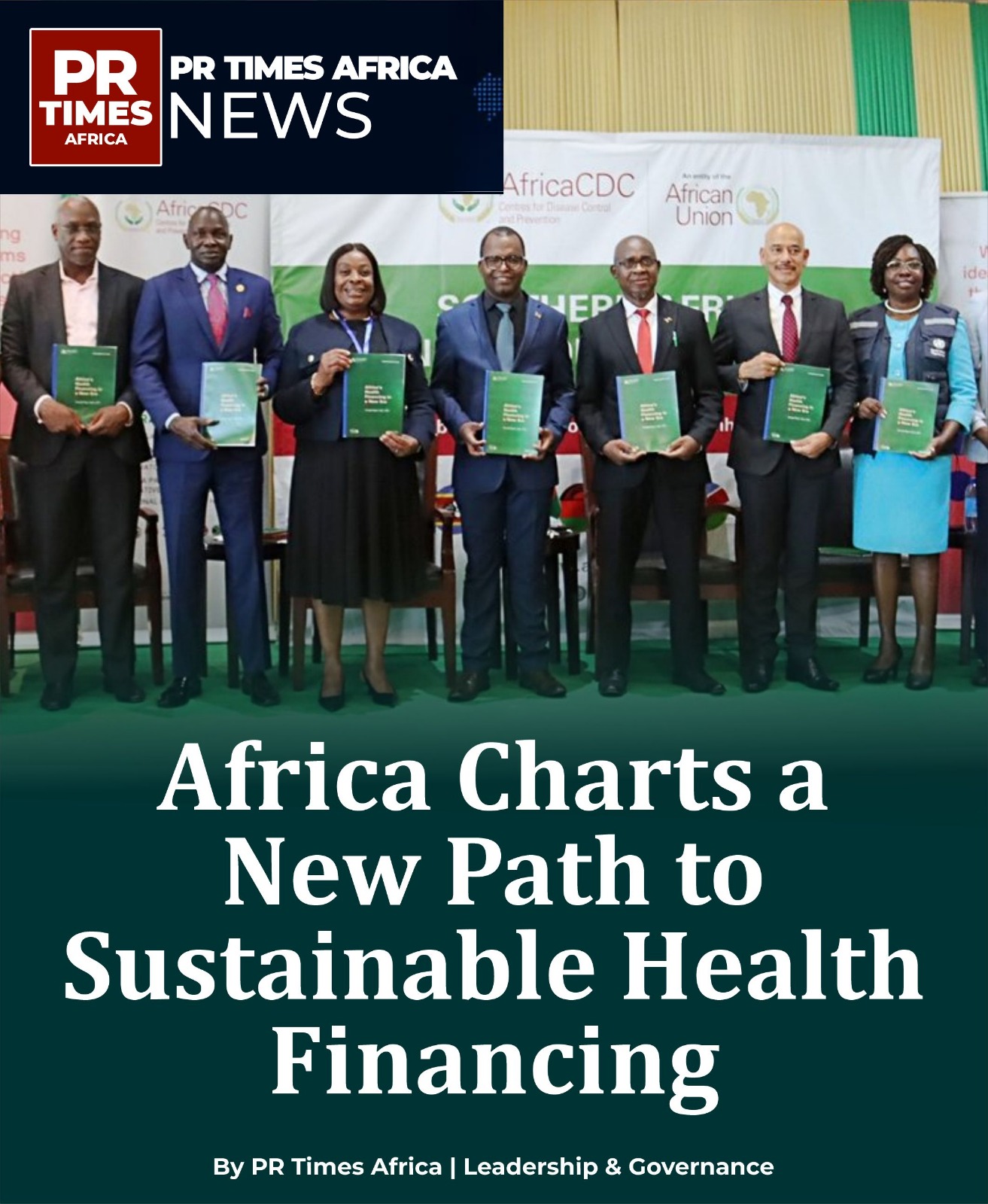
ADDIS ABABA, Ethiopia – African health ministers have endorsed a new 10-year strategy aimed at transforming how healthcare is financed across the continent, as rising out-of-pocket costs, mounting public debt and declining external assistance place growing pressure on health systems.
The Strategy for Financing the Future of Health in the WHO African Region (2026–2035) was endorsed during the 76th session of the World Health Organization Regional Committee for Africa in Addis Ababa.
The strategy comes at a critical moment for the continent. An estimated 385 million people in the African region are pushed into, or deeper into, poverty each year due to out-of-pocket spending on healthcare, highlighting the urgent need for stronger financial protection.
While African countries have made progress in health-financing reforms over the past two decades, the burden on households remains significant. Direct payments by individuals account for an average of 35% of current health expenditure, well above the WHO benchmark of 20%.
At the same time, governments are navigating stagnant public spending, increasing debt-servicing obligations and a projected decline in development assistance.
The new strategy seeks to help countries build more sustainable, equitable and resilient health-financing systems by strengthening domestic resource mobilisation, improving how available resources are managed and creating systems better prepared to withstand future economic and health shocks.
“Health is one of the best investments a country can make,” said Dr Mohamed Janabi, WHO Regional Director for Africa. “Financing health sustainably requires more than increasing resources. It requires making smarter, fairer and more resilient investments that protect people from financial hardship while strengthening health systems.”
The roadmap outlines seven priority areas, including stronger governance, increased domestic funding, improved pooling of health resources, more strategic purchasing of health services and modernisation of public financial management.
By 2035, the strategy aims for more African countries to demonstrate sustained increases in government health spending, strengthen financial protection and maintain updated national health-financing strategies.
For Africa, the challenge extends beyond budgets. The future of health financing will determine whether families can access essential care without financial hardship, whether health systems can withstand future crises and whether countries can reduce their dependence on external funding.
The endorsement of the new strategy signals a renewed continental commitment to making healthcare financing a foundation for long-term developmentensuring that access to quality healthcare does not come at the cost of poverty.
Source: WHO Regional Office for Africa