Angola’s Bold Crusade Against Polio: A Nationwide Mobilization to Safeguard Its Children
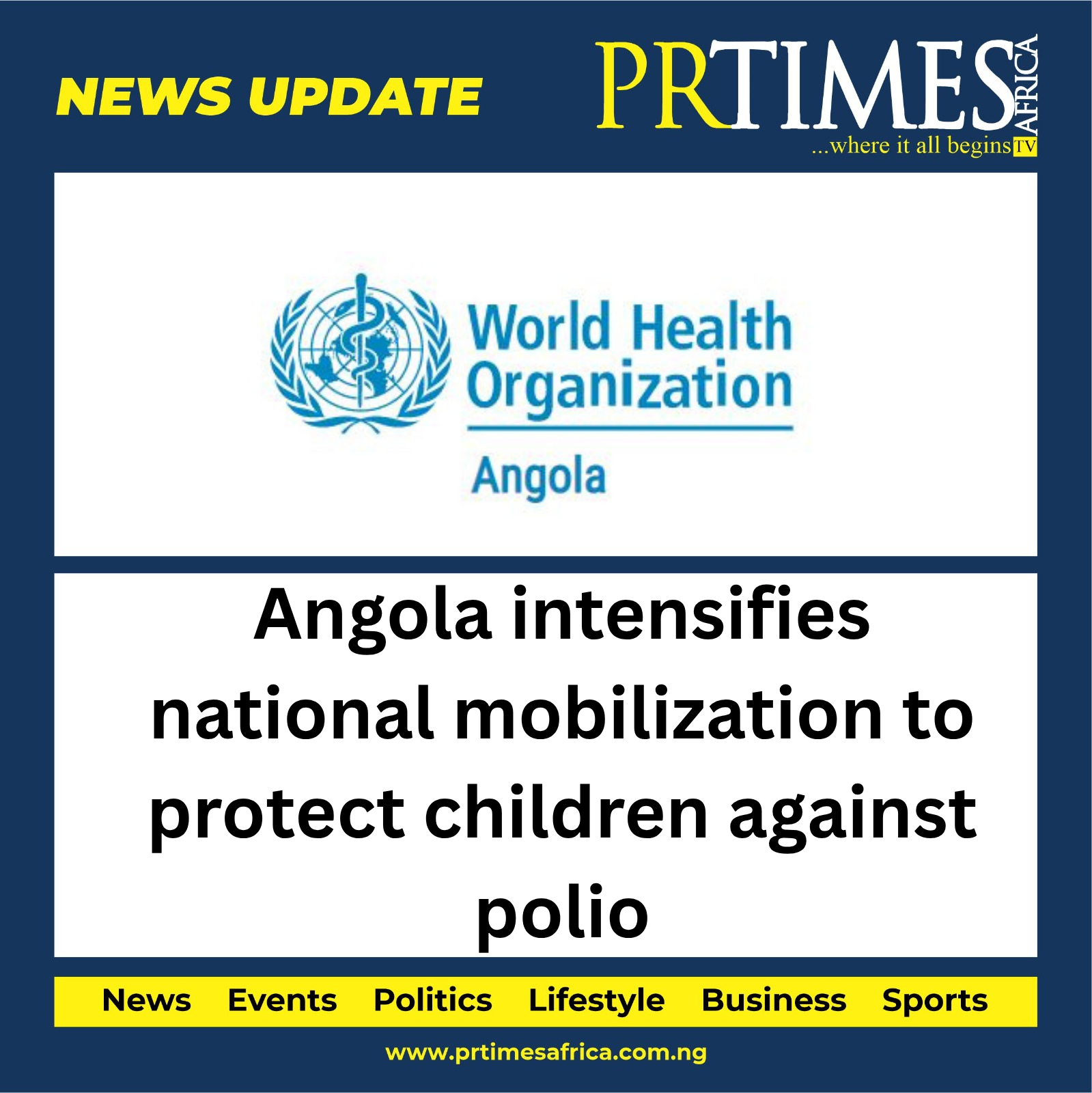
Angola’s Bold Crusade Against Polio: A Nationwide Mobilization to Safeguard Its Children In a powerful display of national resolve, Angola has launched an extraordinary campaign to protect over 6.9 million children under five from the resurgent threat of polio, a crippling disease that has reemerged with 19 confirmed cases across the provinces of Benguela, Huambo, Cubango, and Cuanza Norte. This ambitious initiative, orchestrated by the Ministry of Health with technical and logistical support from the World Health Organization (WHO), represents one of the most extensive child vaccination efforts in Angola’s recent history. As the nation confronts the circulation of type 2 poliovirus, this meticulously planned campaign is not merely a public health response but a testament to Angola’s unwavering commitment to securing a polio-free future for its youngest generation. The campaign’s foundation was laid during a National Microplanning Meeting, where health officials, international partners, and local stakeholders crafted a robust, evidence-based strategy to achieve a minimum of 95% vaccination coverage in every municipality—a threshold critical to halting polio’s spread. The effort is structured in three strategic phases, each designed to maximize reach and impact. The first phase, successfully executed from July 25-27 in Benguela, vaccinated thousands of children and set a high standard for the campaign’s execution. The second phase, scheduled for August 8-10, will extend the campaign’s reach across the entire country, while the third and final phase, set for September 5-7, will ensure comprehensive coverage in all municipalities, leaving no corner of Angola untouched. At the core of this effort is the administration of two drops of the novel oral polio vaccine (nVPO2), a potent tool in preventing the paralyzing effects of polio. Angola’s strategy is as dynamic as it is inclusive, prioritizing accessibility and equity. The cornerstone of the campaign is a door-to-door vaccination approach, ensuring health workers reach children in their homes, particularly in densely populated urban areas and remote rural communities. This is complemented by a network of fixed vaccination posts in health centers and temporary stations, mobile teams traversing difficult terrains, and advance units strategically positioned in high-traffic areas such as bustling markets, places of worship, and public transport terminals. Recognizing the unique challenges of reaching marginalized populations, the campaign has tailored innovative solutions for hard-to-access areas, including gold mining communities, refugee camps, and informal settlements. Specialized teams, equipped to navigate logistical and security challenges, will ensure that even the most isolated children receive the vaccine, embodying the campaign’s ethos of leaving no one behind. Beyond vaccination, the campaign is a multifaceted public health endeavor. It includes intensified surveillance for acute flaccid paralysis (AFP)—a key indicator of polio—as well as other notifiable diseases like cholera and measles. This proactive case detection strengthens Angola’s ability to respond swiftly to emerging health threats. Social mobilization is another critical pillar, with community leaders, traditional healers, and local influencers engaged to build trust and encourage participation. Recognizing the importance of vaccine efficacy, the campaign has prioritized cold chain logistics, ensuring vaccines are stored and transported at optimal temperatures. Materials and supplies are distributed at least three days in advance to guarantee seamless operations, even in the most remote regions. To uphold the campaign’s quality and accountability, Angola has adopted the Lot Quality Assurance Sampling (LQAS) method, a rigorous statistical approach to assess vaccination coverage. Independent supervisors will monitor progress, and any municipality failing to meet the 95% coverage target will trigger immediate follow-up actions, such as mop-up vaccination rounds, to address gaps. This commitment to precision and equity ensures that every child, regardless of location or circumstance, is protected. Funded by the Global Polio Eradication Initiative (GPEI) through the WHO, this monumental effort reflects a powerful partnership between Angola’s government and the global health community. The campaign aligns cutting-edge strategies with local realities, leveraging data-driven planning and community-driven execution to maximize impact. Dr. José Chivale, WHO’s Polio Eradication Team Coordinator in Angola, encapsulated the campaign’s significance: “This is a defining moment in Angola’s fight against polio. By combining coordinated action, innovative outreach, and the active involvement of communities, we are not only protecting millions of children but also paving the way for a polio-free Angola. This campaign is a beacon of hope and a model for global health solidarity.” As Angola unites in this historic endeavor, the campaign stands as a powerful symbol of resilience, collaboration, and hope. It is a clarion call to protect the nation’s children, strengthen public health systems, and forge a future where polio is consigned to history. Through tireless effort and global partnership, Angola is not just vaccinating its youth—it is building a legacy of health, equity, and promise for generations to come.
global polio eradication efforts
more inspirational tone
You Might Be Interested In
- Malawi Unveils Updated Pathogen Genomic Surveillance Strategy.
- The European Union (EU) and World Food Programme (WFP) enhance self-reliance and food security for refugees and host communities in Uganda.
- International Monetary Fund (IMF) Executive Board Completes the Second Reviews Under the Extended Credit Facility and the Resilience and Sustainability Facility Arrangements with the Republic of Madagascar.
- PR Times Africa Launches PR Times Africa Influence Network (PTAIN)
- Uganda and Egypt to Boost Cooperation in Investment, Capacity Building and Water Resources Development
- Reporting from Marrakech. The updates on recovery efforts following the devastating earthquake in Morocco