|
Africa’s transition state should not be loan takers but negotiate and use loans to improve the quality of life of their citizens- Ogunleye
|
|
ADDIS ABABA, Ethiopia, June 13, 2024/ — The African Development Bank Group (www.AfDB.org) has launched a series of training programmes to support 22 Transition or fragile states in Africa to manage their debt more effectively.
The Public Finance Management Academy for Africa (PFMA), an initiative of the Bank Group’s African Development Institute, kicked off the maiden edition of the PFMA Spotlight on Public Debt Management in Transition States – a two-day policy dialogue on sustainable debt management tailored to the needs of Africa’s 22 most vulnerable countries in Addis Ababa on Tuesday. The programme will help countries build their institutional capacity to better manage debt and achieve the financial resilience needed for development. The series brings together heads of debt management offices, treasurers and accountants general, heads of revenue authorities, representatives of central banks, supreme audit institutions, anti-corruption agencies, civil society organisations, academia, the private sector, lawmakers, and other relevant stakeholders in transition states. Ethiopia’s Minister of State for Finance and Economic Cooperation, Semereta Sewasew, said that while there have been positive strides in debt management on the continent, debt challenges, and vulnerabilities persist, especially in most transition countries. These countries face a wide range of political, economic, security and environmental challenges, she noted. “I am pleased that the African Development Bank has designed this training programme to help develop and strengthen the capacity of these countries to manage their debt more prudently, to make their debt more productive, and restore resilience, stability, and growth to their economies.” Sewasew told participants that the Government of Ethiopia had made substantial progress in improving the country’s economy, particularly in addressing debt challenges. She commended the African Development Bank as a steadfast partner in this process. “Our government will continue to work with the African Development Bank and support its programmes not only for Ethiopia but for the entire continent, especially in improving debt management, transparency, and sustainability,” Sewasew said. Public debt vulnerability remains a persistent challenge for Africa. According to the IMF, of 54 African countries, 38 low-income countries were classified as being either in debt distress, with high debt distress, or with moderate debt distress. Of these 38, 23 are transition states. Mounting debt is compounded in transition states by fragility, the absence or shallowness of domestic debt markets, and weak institutional capacity for governance, public finance, and debt management. The African Development Bank’s Deputy Director General for East Africa and Director General designate for Nigeria, Abdul Kamara, said the training was part of the implementation of the Bank’s Special Project – Strengthening the Capacity of Transition States for Effective Management and Mitigation of Debt Distress Risks. The project is being implemented from April 2023 to March 2026, for 22 transition countries in Africa under the Bank’s Transition Support Facility. “We believe that together we can do even more for our countries,” Kamara said. “We expect that at the end of these two days, participants will have, among other things, an understanding of best-practice solutions tailored to their particular debt management circumstances.” Director of the African Development Institute, Eric Ogunleye, said: “African transition countries should not be mere loan takers – they are disadvantaged. Hence, they need to be empowered to contract, negotiate and use loans to improve the quality of life of their citizens.” Distributed by APO Group on behalf of African Development Bank Group (AfDB).
Media Contact: About the African Development Bank Group: SOURCE
|
Author: prtimesafrica
-
NEWS UPDATE: African Development Bank strengthens transition states’ capacity for more productive, effective and transparent debt management
-
Ethiopia’s Minister of Water and Energy Joins African Energy Week (AEW) 2024 as East African Energy Demand Grows.
Ethiopia’s Minister of Water and Energy Joins African Energy Week (AEW) 2024 as East African Energy Demand GrowsHabtamu Itefa Geleta has joined African Energy Week: Invest in African Energy in November to engage with stakeholders interested in exploring Ethiopia’s abundant energy resourcesCAPE TOWN, South Africa, June 12, 2024/ — Ethiopia’s Minister of Water and Energy Habtamu Itefa Geleta will speak at the African Energy Week (AEW): Invest in African Energy 2024 conference – scheduled for November 4–8 in Cape Town. The event is the biggest of its kind in Africa and the participation of Minister Geleta underscores Ethiopia’s commitment to advancing its energy sector through significant investments and strategic international partnerships.Ethiopia’s current installed power generation capacity is measured at 5.2 GW, with plans in place to increase this figure to 17 GW within the next decade. While renewable energy constitutes a primary energy source for the country, the confirmation of seven trillion cubic feet of natural gas in the Ogaden Basin by the government in 2022 has opened up new investment avenues for energy companies. A largely undeveloped sector, natural gas stands to transform both the country and broader region’s energy matrix. During the AEW: Invest in African Energy conference, Minister Geleta will unpack the country’s potential in this area, engaging with investors and regional counterparts.
AEW: Invest in African Energy is the platform of choice for project operators, financiers, technology providers and government, and has emerged as the official place to sign deals in African energy. Visit www.AECWeek.com for more information about this exciting event.
Ethiopia has the potential to generate over 60 GW of electricity from hydroelectric, wind, solar and geothermal sources. Hydropower remains the dominant source in the country, contributing over 90% of the country’s electricity, exemplified by projects like the 6 GW Grand Ethiopian Renaissance Dam and the 2.1 GW Koysha Hydro Power dam by the Omo River. In January 2024, the dam was 94% complete, and once operational, it will become the largest hydroelectric power plant in Africa.
Meanwhile, Ethiopia’s wind sector is growing with projects such as the Ashegoda and Adama wind farms – generating more than 350 MW in total. The state-owned Ethiopia Electric Power (EEP) signed a $600 million deal in December 2023 for a new 300 MW wind farm in the eastern Somali region with UAE-based project developer AMEA Power. In the solar industry, the EEP signed an agreement with the International Finance Corporation to advise on developing up to 500 MW of solar power under the World Bank’s Scaling Solar program – an initiative that supports solar expansion worldwide. The government views private sector collaboration as a catalyst for project development and companies are invited to join the market through public-private partnerships and independent power producer programs.
Alongside wind and solar, the country’s geothermal potential is estimated at over 10 GW. There is a projected $35 billion investment pipeline planned for Ethiopia and Kenya to develop geothermal in the East African Rift, highlighting the potential in this area. By 2050, these two countries are expected to produce 90% of the planned 13 GW of geothermal energy in Africa.
Meanwhile, the African Development Bank (AfDB) recently allocated $8 million this month to support Ethiopia’s Renewable Energy and Agriculture Modalities mini-grid program, developed in collaboration with the Global Alliance for People and Planet and key Ethiopian government bodies. This initiative aims to integrate mini-grids with agribusiness operations, with up to 50% of the program’s funding sourced from the AfDB-managed Sustainable Energy Fund for Africa, providing concessional loans, grants and risk mitigation. Additionally, the AfDB has approved a $104 million grant for a transmission project aimed at enhancing Ethiopia’s electricity supply. The project involves constructing 157 km of transmission lines and associated substations near the cities of Harar, Jijiga, and Farem.
“Ethiopia is taking a proactive stance in fostering sustainable energy development and collaboration with international stakeholders. The country is leading a just energy transition, prioritizing the development of all available energy resources. Offering a wealth of opportunity for natural gas and renewable energy players alike, Ethiopia stands to play a central role in meeting East Africa’s demand for energy in the long-term,” states NJ Ayuk, Executive Chairman of the African Energy Chamber.
During AEW: Invest in Africa Energy 2024, Minister Geleta will participate in high-level panel discussions and spotlight sessions, showcasing Ethiopia’s investment potential and highlighting the government’s proactive approach towards sustainable energy development.
Distributed by APO Group on behalf of African Energy Chamber.SOURCE
African Energy Chamber -
NEWS UPDATE: REISSUE- African Development Bank Group Unveils New Ten-Year Strategy 2024–2033
NAIROBI, Kenya, May 31, 2024/ — The African Development Bank Group (www.AfDB.org) has unveiled its new Ten-Year Strategy 2024–2033 (https://apo-opa.co/4aKxNom), a blueprint to confront Africa’s pressing challenges and to help put the continent firmly back on track towards sustained economic growth and prosperity. Unveiling the strategy during the Bank Group’s Annual Meetings in Nairobi, Kenya, African Development Bank Group President Akinwumi Adesina said, “As Africa’s premier development finance institution, and Africa’s solutions bank, we are acutely aware that the next decade will be decisive in transforming the continent. Therefore, as we celebrate 60 years of making a difference in the countries and lives of the people of Africa, we remain resolute in our determination to accelerate the support we provide to African countries.”
The aftermath of the Covid-19 pandemic has resulted in heightened food insecurity and a burgeoning debt crisis across Africa. At the same time, the impacts of climate change are intensifying and accelerating, alongside a surge in conflict and political instability. Compounded by a youthful demographic outpacing job creation, Africa is witnessing a significant exodus of its future workforce seeking opportunities abroad.
The strategy, approved by the Board earlier this year, sets out decisive and urgent actions the Bank will take to support African countries navigate the unprecedented global and regional challenges. These actions will build on Africa’s multiple unique assets and reignite momentum towards achieving the African Union’s Agenda 2063 (https://apo-opa.co/
4aNQ9Vo) and the United Nation’s Sustainable Development Goals, ultimately fostering lasting growth. Central to the 2024–2033 strategic vision is the belief in Africa’s vast potential for societal and economic transformation. By leveraging the youngest and fastest growing workforce in the world, rapidly growing urban markets, the wealth of natural resources and vast clean energy potential, Africa stands poised to drive sustainable growth and make significant contributions to global solutions over the next decade.
“The Ten-Year Strategy outlines how the Bank will invest in Africa’s best asset: its vibrant young men and women. Africa’s population, which is the fast growing in the world, presents the continent with an unparalleled demographic window of opportunity,” Adesina said.
The new strategy articulates a vision of a prosperous, inclusive, resilient, and integrated Africa, underpinned by two key objectives over the next decade: accelerating inclusive green growth and fostering prosperous and resilient economies. With an emphasis on sustainability, the Bank will strive to balance environmental concerns, equity, and economic advancement.
Building upon the past decade of successful High 5 implementation, the Bank aims to accelerate and scale up its efforts, focusing on transformative projects with far-reaching impacts. To optimise results while managing risks, the Bank will streamline its operational model for increased agility and effectiveness. The Bank’s High 5 operational priorities listed below, are integral to achieving these objectives:
- Light up and power Africa: Promote universal access to modern and affordable energy.
- Feed Africa: Ensure food security through agricultural transformation.
- Industrialise Africa: Catalyse manufacturing as a critical driver of job creation.
- Integrate Africa: Foster regional integration and value chains for a more cohesive economy.
- Improve the quality of life: Enhance living standards, particularly for women and youth.
Key cross-cutting priorities include promoting gender equality, investing in young people, responding to climate change, and investing in climate action, supporting fragile states, and promoting good governance and economic stability.
The Bank sees the pivotal role of the private sector in driving Africa’s transformation. Over the next decade, it will strengthen collaboration with the private sector, prioritising investments in firms, value chains, and micro, small, and medium-sized enterprises especially those led by women and youth.
The magnitude and urgency of the challenge will require greater resources than before. The Bank pledges to mobilise resources from diverse sources, including domestic revenues and private finance. It aims to triple private-sector finance by 2033 while bolstering its financing capacity through innovative mechanisms. In response to calls for Multilateral Development Banks (MDBs) to maximise the potential of their balance sheets, the Bank will pursue various options to boost its financing capacity over the life of the Ten-Year Strategy. Measures include the Sustainable Hybrid Capital, Risk Transfers and re-channeling of significant portions of the International Monetary Fund’s Special Drawing Rights through Multilateral Development Banks.
The Strategy outlines how the Bank will answer the call for MDBs to scale up urgently their efforts to respond to the priorities and significant ambitions of African countries and tackle global and regional challenges affecting the people of Africa. MDBs are essential to addressing the immense global and regional challenges the world faces. They are a valuable source of low-cost finance, technical knowledge, and policy advice for emerging and developing countries.
Highlights of the Strategy:
- Investing in women and young people: The Ten-Year Strategy outlines how the Bank will invest in Africa’s best asset: its vibrant young men and women. Africa’s population, which is the youngest and fastest growing in the world, presents the continent with an unparalleled demographic window of opportunity. The Bank will address disparities and promote inclusivity by empowering women and youth, enabling them to contribute meaningfully to sustainable economic growth and prosperous societies.
- Climate change adaptation: Recognising Africa’s vulnerability to climate change, the Bank will promote low-carbon development pathways aligned with the Paris Agreement while safeguarding biodiversity and nature.
- Supporting fragile states and building resilience: Amid rising conflicts, fragility, and political instability in Africa, the Bank will intensify efforts to assist fragile countries. Special attention will be given to tackling cross-border challenges and reducing the isolation of landlocked and remote areas.
- Promoting good governance: The Bank emphasises the importance of economic governance, including domestic resource mobilisation, transparent financial management, and anti-corruption measures. Sustainable debt management practices will also be prioritised to ensure long-term economic stability.
- Read the Ten-Year Strategy 2024–2033 here (https://apo-opa.co/
4aKxNom)
Distributed by APO Group on behalf of African Development Bank Group (AfDB).Editor’s Note:
A previous version of this press release issued on 29 May 2024 included an error in the headline. This version removes reference to boosting the Bank’s financial capacity by over $70 billion.Media contact:
Amba Mpoke-Bigg
Communication and External Relations Department
media@afdb.orgAbout the African Development Bank Group:
The African Development Bank Group is Africa’s premier development finance institution. It comprises three distinct entities: the African Development Bank (AfDB), the African Development Fund (ADF) and the Nigeria Trust Fund (NTF). On the ground in 41 African countries with an external office in Japan, the Bank contributes to the economic development and the social progress of its 54 regional member states. For more information: www.AfDB.orgSOURCE
African Development Bank Group (AfDB) -
NEWS UPDATE: Economic Community of West African States (ECOWAS) and TradeMark Africa Partner to Boost Trade Efficiency and Economic Prosperity in West Africa.
Economic Community of West African States (ECOWAS) and TradeMark Africa Partner to Boost Trade Efficiency and Economic Prosperity in West AfricaThe collaborative agreement aims to enhance the use of digital technologies to improve trade efficiency, reduce trade barriers at border crossings, and foster a conducive environment for business operationsNAIROBI, Kenya, May 30, 2024/ — The Economic Community of West African States (ECOWAS) and TradeMark Africa (TMA) (www.TradeMarkAfrica.com)today inked a strategic collaboration geared towards improving trade facilitation, opening transportation corridors, and promoting economic integration within West Africa. The collaborative agreement aims to enhance the use of digital technologies to improve trade efficiency, reduce trade barriers at border crossings, and foster a conducive environment for business operations throughout the region. Dr. Omar Alieu Touray, President of the ECOWAS Commission, and Amb. Erastus Mwencha, TradeMark Africa Board Chairman, formalised the agreement during a signing ceremony in Nairobi, Kenya, on the sidelines of the African Development Bank Group 2024 Annual General Meeting (AGM).
TradeMark Africa will bring experience from the Eastern, Southern, and Horn of Africa regions, and aims to expand support to enhance trade corridor infrastructure and connectivity, improve compliance of traded goods to international quality standards, as well as strengthen structures to empower women and youth in trade. The two organisations will also develop and implement climate resilience and mitigation strategies to promote more environmentally friendly and sustainable trading practices.
Dr. Omar Alieu Touray stated, “The partnership with TradeMark Africa is a strategic step towards achieving the economic integration goals of ECOWAS. By leveraging TMA’s expertise in trade logistics and capacity building, we can address pressing challenges at our borders and improve the transit environment. This partnership sets a robust framework for prosperity that will benefit all member states and strengthen the business landscape in West Africa.”
Amb. Erastus Mwencha expressed his enthusiasm for the partnership, stating that the signing of the agreement is a significant milestone for TMA as it is keen on expanding its trade facilitation efforts to West Africa, with an emphasis on the Abidjan-Lagos corridor and interlocking routes. “This collaboration marks a significant milestone in our efforts to streamline trade processes across Africa. By partnering with ECOWAS in adopting cutting-edge trade facilitation techniques, we aim to reduce overall trade costs and enhance the competitiveness of West African economies on the global stage. Our goal is not just to facilitate trade but to catalyse sustainable economic development that benefits all stakeholders in the region,” said Amb. Mwencha.
Speaking at the same function, Dave Beer, TMA CEO, commented: “We are pleased to collaborate with ECOWAS in supporting further advances in trade facilitation. Our joint efforts will make a tangible difference in the lives of millions by boosting trade efficiency and creating new opportunities to propel economic prosperity in the region and continent-wide.”
TMA’s goals align with those of ECOWAS in areas of trade, transport, and regional integration, with both organisations supporting integration as crucial for increased prosperity.
Distributed by APO Group on behalf of TradeMark Africa (TMA).About ECOWAS:
The Economic Community of West African States (ECOWAS) is a regional economic community that was established in 1975 with its headquarters in Abuja, Nigeria. It was set up with the objective to promote economic cooperation and integration, leading to the establishment of an economic union in West Africa to raise the living standards of its peoples, and to maintain and enhance economic stability, foster relations among member states and contribute to the progress and development of the African continent.Member countries making up ECOWAS are Benin, Burkina Faso, Cape Verde, Cote d’ Ivoire, The Gambia, Ghana, Guinea, Guinea Bissau, Liberia, Mali, Niger, Nigeria, Sierra Leone, Senegal, and Togo.
The Vision of ECOWAS is the creation of a borderless region where the population has access to its abundant resources and can exploit same through the creation of opportunities under a sustainable environment.
For details, visit: https://www.ECOWAS.int/
About TMA:
TradeMark Africa (TMA), formerly TradeMark East Africa, is an Aid-for-Trade organisation that was established in 2010, with the aim of growing prosperity through increased trade. TMA operates on a not-for-profit basis and is funded by: Belgium, the Bill and Melinda Gates Foundation, Canada, Denmark, the European Union, Finland, Mastercard Foundation, France, Ireland, the Netherlands, Norway, the United Kingdom and the United States of America.TMA’s headquarters are in Nairobi, Kenya. Operations and offices are in: EAC Secretariat – Arusha, Burundi, the Democratic Republic of Congo, Djibouti, Ethiopia, Ghana, Malawi, Mozambique, Rwanda, Somaliland, South Sudan, Tanzania, Uganda and Zambia.
TMA works closely with regional intergovernmental organisations, including the African Union (AU), the African Continental Free Trade Area (AfCFTA) Secretariat, the East Africa Community (EAC), the Intergovernmental Authority on Development (IGAD), the Common Market for East and Southern Africa (COMESA), the Southern Africa Customs Union (SACU), the Economic Community of West African States (ECOWAS), national Governments, the private sector and civil society organisations.
In 2022, TMA set up a catalytic finance fund, Trade Catalyst Africa (TCA), that will pilot commercially viable projects for creating trade infrastructure (both physical and digital) as well as increasing access to Trade Finance for Small and Medium Enterprises (SMEs).
For details, visit: https://www.TradeMarkAfrica.
com/ SOURCE
TradeMark Africa (TMA) -

NEWS UPDATE: Canon Central and North Africa Unveils Groundbreaking Technology with Immersive Experience at GITEX Africa 2024.
Canon Central and North Africa Unveils Groundbreaking Technology with Immersive Experience at GITEX Africa 2024Canon’s participation in GITEX Africa is a testament to the company’s commitment to getting closer to its customers and bringing cutting-edge technology with hands-on experienceDUBAI, United Arab Emirates, May 30, 2024/APO Group/ — Canon Central and North Africa (www.Canon-CNA.com), a global leader in imaging solutions, makes its debut at GITEX Africa 2024, the largest technology and startup event on the continent happening from 29 – 31 May in Marrakech, Morocco. Canon’s participation at GITEX Africa is set to inspire creativity and innovation, forge valuable partnerships and relationships, and enhance the exchange of knowledge by demonstrating its entire ecosystem of consumer and business products and solutions.‘WORLD UNSEEN’ EXHIBITION – A FIRST FOR AFRICA
A key highlight of Canon’s participation is the debut of its ‘World Unseen’ campaign in Africa. This is a unique photography exhibition designed to enable people with sight loss to better engage with the visual world. It also challenges sighted individuals to see imagery through different lenses.
The ‘World Unseen’ campaign is a groundbreaking initiative that embodies Canon’s commitment to accessibility and inclusivity in the creative arts field. By offering a sensory-rich experience, we aim to change how both sighted and visually impaired individuals engage with photography, making it an immersive and inclusive art form. The exclusive unveiling of the “World Unseen” exhibition at GITEX, led by Rashad Ghani, B2C Business Unit Director & Amine Djouahra, B2B Business Unit Director at Canon Central & North Africa, was inaugurated by Her Excellency Ms. Aawatif Hayar, Minister of Solidarity, Social Inclusion, and Family, alongside Mr. Hamid Nabil, the first blind Moroccan student to earn a Ph.D.
Her Excellency Aawatif Hayar, Minister of Solidarity, Social Inclusion, and Family in Morocco, highlighted the importance of the exhibition with the following statement:
“It is an immense honor to be here today at the launch of Canon’s World Unseen photography exhibition. This groundbreaking event marks a significant step towards fostering inclusivity and reshaping how we perceive the world, particularly for those with sight loss. By providing visually impaired and partially sighted individuals with an opportunity to engage with photography through elevated prints, audio descriptions, soundscapes, and braille, Canon is not only making art accessible but also challenging societal perceptions. This exhibition exemplifies how, by adapting our surroundings and approaches, we can remove barriers and empower everyone to participate fully in life. It invites us all to experience images from a different perspective, fostering empathy and understanding, and it stands as a testament to the profound impact that art and technology can have on personal development and social inclusion.”
The campaign believes that photography is an incredibly powerful medium that can push the imagination. It is designed for everyone- blind, partially sighted, and sighted – by transforming how we all experience photography. This exhibition features works from world-renowned photographers and Canon ambassadors Muhammed Muheisen and Yagazie Emezi, from the MENA region. Visitors will experience photography through elevated prints, audio descriptions, soundscapes, and braille for a tactile connection with the powerful images and stories they tell.
According to WHO data, 2.2 billion people have some form of visual impairment globally (https://apo-opa.co/4582Ed9), which puts up barriers to appreciating photography. The ‘World Unseen’ exhibition removes these barriers by offering a unique, accessible, and immersive way to experience and enjoy photography.
Click here to learn more: https://apo-opa.co/4aBBFI8
DEMONSTRATING CANON’S CUSTOMER-CENTRIC INNOVATION
Participation in the event not only demonstrates Canon’s commitment to contributing to the continent’s digital transformation and economic growth, but also provides a unique opportunity to showcase its products and solutions, as well as demonstrate how it is actively contributing to sustainable growth and education initiatives on the continent.
“Canon Central and North Africa’s participation at GITEX Africa is a testament to understanding and addressing the unique needs of the African region. We are very excited to showcase our wide ecosystem including the latest cutting-edge technologies, providing an immersive and interactive experience for attendees. We have an incredible range of innovative solutions that cater to various industries and applications. These include the wide range of EOS R System cameras & lenses, multicamera technology, and advanced printing solutions. Our goal is to inspire creativity, foster meaningful connections and drive technology advancement across the continent,” says Rashad Ghani, B2C Business Unit Director, Canon Central & North Africa
Conference attendees have the chance to explore unique experiential zones that showcase Canon’s offerings, providing an immersive experience that allows participants to interact with cutting-edge technology.As a brand with six offices across Africa offering diverse expertise, Canon has ensured that at GITEX, its entire expertise will be on-ground for partners and end users, fortifying our closer-to-customer strategy.
The Photography Application Zone offers the complete input-to-output technology Canon provides, allowing visitors to discover the mirrorless range of cameras and lenses and experience firsthand the precision and versatility of these state-of-the-art imaging tools, as well as explore the range of Canon photo printers. This zone aims to engage photography enthusiasts and professionals by providing them with the tools and inspiration to capture stunning images with unparalleled quality.
The Video Zone features captivating live demonstrations of Canon’s PTZ (pan-tilt-zoom) camera range. This interactive experience highlights the advanced capabilities of the PTZ cameras showcasing their potential in various applications, from broadcast and live events to security and surveillance.
The Workspace Zone features a diverse range of products tailored to enhance productivity in both home offices and small to medium-sized businesses. Visitors can explore Canon’s MAXIFY and color laser printers, as well as B2B offerings such as the imagePRESS series, Uniflow, and PRISMA solutions. These B2B offerings will aid in document digitization and automation of processes, demonstrating how these products can streamline workflow and improve efficiency in work environments.
The Education Zone features the company’s education initiatives, highlighting Canon’s approach to education on the continent, which aligns with Canon’s corporate philosophy, Kyosei, a Japanese concept meaning living and working together for the common good. This zone will demonstrate how we bring to life our commitment to sustainability, how we work together, and our desire to create an environment for everyone to thrive and grow. Our dedicated team focuses on six programmes under the umbrella of Canon’s World of Education: the Miraisha Programme, Canon Academy Juniors, Canon Academy Photo, Canon Academy Video, Canon Print Hub, and the Canon Student Development Programme.
Amine Djouahra, B2B Business Unit Director, Canon Central and North Africa, expressed his enthusiasm upon Canon’s participation, “GITEX Africa 2024 is an incredible platform for us to connect with our valued partners and potential customers from across the African continent. This event represents a remarkable intersection of innovation and collaboration where we introduce cutting-edge technology while celebrating the strength of our local connections. These zones are designed to demonstrate our latest innovations and allow participants to interact with our latest technology. Our goal is to provide hands-on and interactive experiences that inspire creativity, forge valuable connections, and drive technological advancement throughout the region,”.
Canon’s participation in GITEX Africa is a testament to the company’s commitment to getting closer to its customers and bringing cutting-edge technology with hands-on experience. It serves as a strategic move to strengthen the company’s ever-growing presence in the African region.
Canon invites visitors to GITEX Africa to experience this unique, inclusive exhibition.
For more information, please visit Canon’s stands at 1B-30, Hall 1 and 17D-10 Hall 17 at GITEX Africa 2024.
Distributed by APO Group on behalf of Canon Central and North Africa (CCNA).Media enquiries, please contact:
Canon Central and North Africa
Mai Youssef
e. Mai.youssef@canon-me.comAPO Group – PR Agency
Rania ElRafie
e. Rania.ElRafie@apo-opa.comAbout Canon Central and North Africa :
Canon Central and North Africa (CCNA) (Canon-CNA.com) is a division within Canon Middle East FZ LLC (CME), a subsidiary of Canon Europe. The formation of CCNA in 2016 was a strategic step that aimed to enhance Canon’s business within the Africa region – by strengthening Canon’s in-country presence and focus. CCNA also demonstrates Canon’s commitment to operating closer to its customers and meeting their demands in the rapidly evolving African market.Canon has been represented in the African continent for more than 15 years through distributors and partners that have successfully built a solid customer base in the region. CCNA ensures the provision of high quality, technologically advanced products that meet the requirements of Africa’s rapidly evolving marketplace. With over 100 employees, CCNA manages sales and marketing activities across 44 countries in Africa.
Canon’s corporate philosophy is Kyosei (https://apo-opa.co/3R6hvzd) – ‘living and working together for the common good’. CCNA pursues sustainable business growth, focusing on reducing its own environmental impact and supporting customers to reduce theirs using Canon’s products, solutions and services. At Canon, we are pioneers, constantly redefining the world of imaging for the greater good. Through our technology and our spirit of innovation, we push the bounds of what is possible – helping us to see our world in ways we never have before. We help bring creativity to life, one image at a time. Because when we can see our world, we can transform it for the better.
For more information: Canon-CNA.com
SOURCE
Canon Central and North Africa (CCNA) -
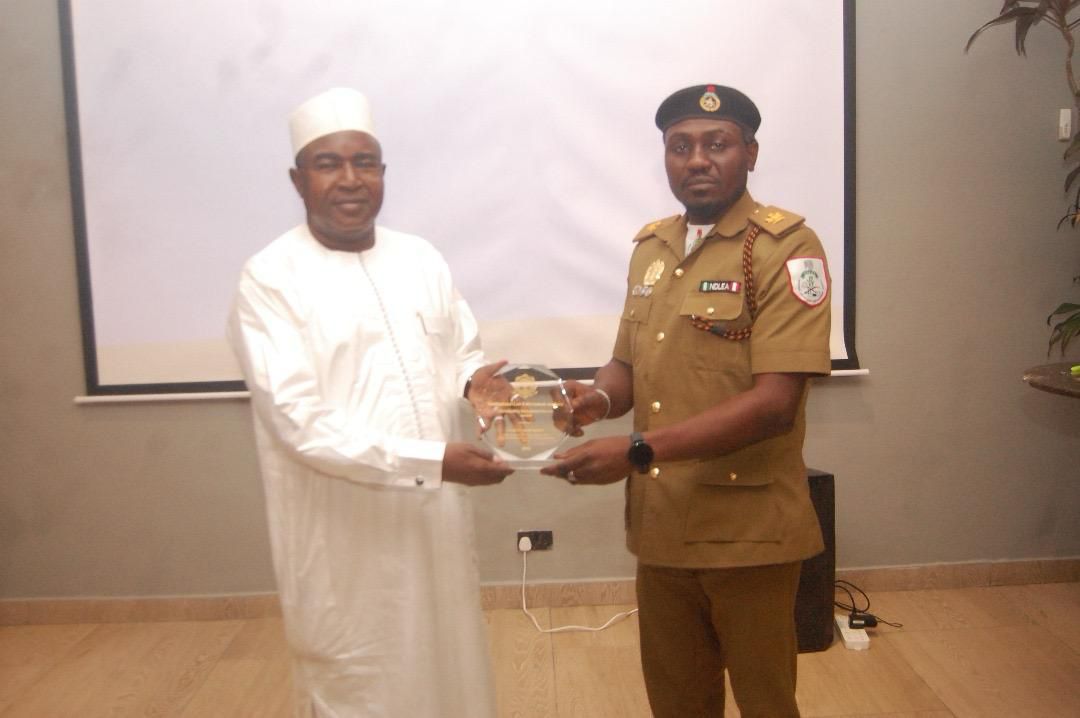
NEWS UPDATE: Drug War: NDLEA Officer Emerges Global Winner of Outstanding Operational Success Awards.
The Chairman/Chief Executive of the National Drug Law Enforcement Agency, NDLEA, Brig Gen Mohamed Buba Marwa (Retd) has approved special promotion for an officer of the Agency, Francis Ameh Igonoh, a Superintendent of Narcotics, after he emerged the 2024 winner of the prestigious International Law Enforcement Academy (ILEA) Outstanding Operational Success Award.Announcing the accelerated promotion reward for the officer during a brief ceremony where Igonoh presented the award certificates to the NDLEA boss, Marwa commended him for doing the Agency and indeed Nigeria proud.According to him, “you have distinguished yourself in our concerted effort to curb the scourge of substance abuse and illicit drug trafficking in Nigeria and as such the global recognition of our role in dismantling fentanyl, heroin, cocaine and methamphetamine cartels clearly typifies enhanced intelligence and we can’t but equally appreciate the support of the Drug Enforcement Administration of the United States in this regard.“I will like to also add that with this international recognition, you are not just a pride to yourself, your family but the Agency and the nation as a whole. The sacrifice of a narcotic officer cannot be quantified in gold or silver, for he is fulfilling a higher calling. As we go about our duty of securing our society against the corrosion of illicit drugs, we should be aware that we are the direct beneficiaries of our work because for every kilo of drugs seized, we are making our streets and society safer for our children, family and kinsmen.This is why NDLEA is proud of its workforce; the Agency treasures the effort of its officers, men and women; the management shall continue to look out for their best interest and we shall continue to reward hard work and excellence.”Marwa said as a result of the officer’s dedication, commitment to work and professionalism, all attributes that have won him global recognition, he has approved his promotion to the rank of Assistant Commander of Narcotics since he’s already due for elevation to his next rank as Chief Superintendent of Narcotics, to further encourage him and his peers.The award certificate signed by Harward Lampley, Director, West Africa Regional Training Center, commended the NDLEA officer, saying the recognition was well deserved.“Your commitment to utilizing the skills and techniques acquired from the ILEA training has contributed to combatting drug trafficking in the region. This feat is a testament of your dedication, hard work, and excellence in efforts to counter Transnational Organised Crime. The West Africa Regional Training Center (RTC) and the ILEA Program appreciate your significant contributions in promoting regional and global security”, the award certificate reads.Femi BabafemiDirector, Media and AdvocacyNDLEA Headquarters AbujaFriday 31st May 2024 -
NEWS UPDATE: African Leaders Join African Development Bank’s Call for Action to Reform the Global Financial Architecture at its 2024 Annual Meetings.
African Leaders Join African Development Bank’s Call for Action to Reform the Global Financial Architecture at its 2024 Annual MeetingsThe Annual Meetings bring together the Bank Group’s governors representing 54 African countries and 27 non-African shareholdersNAIROBI, Kenya, May 30, 2024/ — Host country, Kenya contributes $20 million to Bank’s concessional financing window; pledges increased equity contribution; The African Development Bank: a Solutions Bank, at the heart of Africa’s transformation agenda.
With $200 billion invested in development projects across the continent since its establishment in 1964, the African Development Bank Group is leading the charge in transforming Africa’s development landscape, as a solutions bank.
At the institution’s 2024 Annual Meetings in Nairobi, six African Presidents joined the Group’s President Dr. Akinwumi Adesina’s call for action to reform the global financial architecture to unlock more resources to scale up Africa’s economic transformation.
The Annual Meetings bring together the Bank Group’s governors representing 54 African countries and 27 non-African shareholders.
Kenya’s President William Samoei Ruto emphasized the need for change, saying, “Today, we assert that transforming the international financial architecture is imperative to give Africa a fair chance to turn its immense potential into opportunities to overcome multiple challenges and develop inclusively and sustainably.”
In a show of support for the Bank’s efforts, President Ruto announced that Kenya will spend $100 million over the next three years to increase its shareholding in the African Development Bank, Afreximbank and Trade Development Bank. Additionally, he announced a commitment of $20 million to the African Development Fund, the Bank Group’s concessional window, “as a demonstration of Kenya’s confidence [in the Fund].”
President Ruto praised the commitment of the Bank Group to infrastructure development in Kenya, saying, “Kenya is among the beneficiaries, in a very big way, of the African Development Bank’s financial might, and its innovative financing of projects.”
He cited four Bank Group-financed projects as testament to this commitment: the construction of the Nairobi–Thika Superhighway; the construction of the Thwake Multipurpose Dam, Kenya’s biggest; the completion of water and sanitation projects in 28 Kenyan cities, and a last-mile connectivity project that has provided electricity to more than 10 million households.
Vote of confidence
President Ruto also expressed Kenya’s support for the channeling of IMF Special Drawing Rights (SDRs) through multilateral development banks, a move that the African Development Bank together with the Inter-American Development Bank has championed, with success.
Several heads of state attended the opening ceremony of the Annual Meetings on Wednesday and participated in subsequent presidential dialogues. They included President Denis Sassou Nguesso of the Republic of Congo, Rwanda’s President Paul Kagame, Zimbabwe’s President Emmerson Dambudzo Mnangagwa, the President of the Presidency Council of the Government of National Unity of the State of Libya Mohamed Younis al-Menfi, Somali President, Hassan Sheikh Mohamoud, and African Union Commission Chairperson Moussa Faki Mahamat.
Close to 5,000 delegates are attending the Bank’s Annual Meetings, including heads of multilateral development banks, diplomats, development partners, representatives of civil society organizations and the private sector.
In his keynote address, Adesina highlighted the impact of the Bank’s investments across Africa through its High 5 priorities of Light up and Power Africa; Feed Africa; Integrate Africa; Industrialize Africa and Improve the quality of life for the people of Africa. Over the last eight years, the Bank’s investments have impacted more than 400 million people
Record investments
“In 2023, our financing totalled over $10 billion, across all our High 5 priorities,” he said, adding, “In the past nine years, we have invested well over $50 billion in infrastructure projects on the continent, by far the largest investment of any multilateral development bank or institution.”
Adesina listed several innovative initiatives to demonstrate the Bank’s role as a catalyst for change, driving Africa’s transformation through record investments and partnerships. He highlighted the $10 billion Alliance for Green Infrastructure in Africa (AGIA), a groundbreaking partnership with Africa50 and the African Union, aimed at accelerating the development of sustainable infrastructure projects. This initiative is set to drive the continent’s transition towards a greener and more resilient future.
Adesina also emphasized the Bank’s commitment to supporting the digital economy, citing the $618 million i-DICE program in Nigeria, that will create 6 million jobs and add $6.4 billion to the economy.
Catalyzing Inclusive Development
The Bank’s Affirmative Finance Action for Women (AFAWA), in partnership with the Africa Guarantee Fund, has financed more than 18,000 women-owned businesses, providing them with the capital and support needed to thrive in their respective markets. “By the end of this year, AFAWA would have reached $2 billion in support for up to 30,000 women-owned small and medium sized enterprises,” Adesina said.
Last year, the Bank established Youth Entrepreneurship Investment Banks to provide financial and technical support to businesses owned by youth. The Bank’s Board of Directors has already approved $16 million for Liberia and $12 for Ethiopia to set up Youth Entrepreneurship Investment Banks. More countries have applied to join the initiative.
In eleven African countries—Côte d’Ivoire, Ethiopia, Guinea, Kenya, Mali, Mozambique, Nigeria, Senegal, Tanzania, Togo, and Zambia—the Bank, together with partners, is establishing Special Agro-Industrial Processing Zones (SAPZs), designed to transform Africa’s agricultural sector by creating value-addition hubs.
Mobilizing Financing, Deepening Reforms
Dr. Muhammad Sulaiman Al Jasser, Islamic Development Bank Group President, outlined the benefits of a longstanding cooperation with the African Development Bank. “Between 2017 and 2023, we achieved a record co-financing volume of $2.9 billion with the African Development Bank, enabling us to co-finance 22 operations across diverse sectors,” he said, adding that both banks have recently set new co-financing targets, to deliver greater impact.
African Development Bank Group Boards of Governors’ Chairperson and Cabinet Secretary of the National Treasury of Kenya, Prof. Njuguna Ndung’u urged Governors to “deepen discussions” on growing the Bank’s callable capital. “This will protect the Bank’s triple A rating on sustainable basis against recurrent external shocks, including downgrade of its triple A rated shareholders [and] enable the Bank maintain its lending trajectory and preserve its position as a strategic lender and the premier development finance institution in Africa.”
The African Union Commission Chairperson Moussa Faki Mahamat described the 2024 Annual Meetings as “an appropriate forum” for kickstarting “the process of formulating and working out the African common position on strategic issues” such as the reform of the Bretton Woods system, debt management, climate change financing, and the international tax system.
Leaders also stressed the urgency of mobilizing financing to build climate-resilient African economies. The Bank, Adesina said, “is well on its way to reaching its goal of mobilizing $25 billion in climate finance, and last year we devoted 45% of our total lending to climate finance.”
Strong financial position for greater impact
The only AAA-rated financial institution in Africa, the Bank’s financial records for 2023 put the Bank in an optimal position to better serve Africa and create more significant impact in the continent’s development. Its income from loans and treasury investments increased by 123% from $775 million in 2022 to $1.73 billion in 2023. The Bank also achieved its largest-ever net income before distributions, amounting to $545 million, and allocated a record-high $335 million to reserves.
Distributed by APO Group on behalf of African Development Bank Group (AfDB).Dr. Adesina’s speech: http://apo-opa.co/
3RucXTx Photos: http://apo-opa.co/
3V0ufIB Contact:
Toluwalope Ogunlesi,
Communication and External Relations Department,
media@afdb.orgAbout the African Development Bank Group:
The African Development Bank Group is Africa’s premier development finance institution. It comprises three distinct entities: the African Development Bank (AfDB), the African Development Fund (ADF) and the Nigeria Trust Fund (NTF). On the ground in 41 African countries with an external office in Japan, the Bank contributes to the economic development and the social progress of its 54 regional member states. For more information: www.AfDB.orgSOURCE
African Development Bank Group (AfDB) -
NEWS UPDATE: Harnessing Human Capital: Key Insights from African Development Bank Group’s 2024 Annual Meetings.
Harnessing Human Capital: Key Insights from African Development Bank Group’s 2024 Annual MeetingsThe discussions called for igniting the right policies and initiatives to bridge the resource gap, alongside policies that address the mismatch between skills taught in classrooms and what the labor market offersABIDJAN, Ivory Coast, May 30, 2024/ — Africa is known for its generally youthful population. But is the continent truly harnessing this demographic dividend to its advantage?This question was at the heart of a forum hosted by the Kenyan government on May 27 on the sidelines of the African Development Bank Group’s 2024 Annual Meetings in Nairobi. The panel discussion, titled “Harnessing Human Capital for Sustainable Growth and Development in Africa: Demographic Dividend and Circular Movement of Skilled Labour,” rallied experts to deliberate on the issue.
Prof Njuguna Ndung’u, Kenya’s Cabinet Secretary for the National Treasury, emphasized the importance of aligning skills development with emerging market opportunities to leverage human capital effectively. “If you don’t have human capital expertise, you are going to lag behind,” he said.
William Asiko, Rockefeller Foundation Vice President for Africa, highlighted Kenyan President William Ruto’s recent announcement that carbon credits will be Kenya’s next significant export by 2030. He noted that this initiative could create numerous jobs but stressed the necessity of developing the right skills to seize this opportunity. “Artificial Intelligence carbon markets are the big issues now. Can we develop these skills for the future?” he posed.
Martha Phiri, the Director, Human Capital, Youth and Skills Development Division at the African Development Bank, shared the Bank’s new 10-year strategy, 2024-2033. She emphasized that a healthy, productive, and innovative workforce is essential for Africa’s transformation. “A workforce that can ensure food security, drive power plants, enhance transport connectivity, and foster industrialization is crucial.”
Phiri pointed out the importance of derisking youth participation in investments across the value chains. “We need to ensure we not only build the necessary skills for young people, but invest in their businesses, and enhance derisking instruments to ensure youth are seen as bankable.”
The private sector was identified as crucial for mobilizing resources for human capital development. The panel emphasized the need to establish instruments that encourage private sector participation to optimize growth. The discussions called for igniting the right policies and initiatives to bridge the resource gap, alongside policies that address the mismatch between skills taught in classrooms and what the labor market offers.
The event was moderated by Dr Rose Ngugi, Chief Executive Officer of the Kenya Institute for Public Policy Research and Analysis.
Distributed by APO Group on behalf of African Development Bank Group (AfDB).SOURCE
African Development Bank Group (AfDB) -
NEWS UPDATE: Africa Day: Building businesses that improve African lives (By Fhulu Badugela).
As the continent celebrates Africa Day on 25 May, two business priorities come into sharp relief; Businesses must remain profitable to survive, but they must also deliver a net benefit for societyJOHANNESBURG, South Africa, May 23, 2024/ — By Fhulu Badugela, MultiChoice Africa CEO (www.MultiChoice.com). As we mark Africa Day, people and organisations commit themselves to making a positive difference for the continent. Building a business model that improves lives is the most effective way to achieve this, writes MultiChoice Africa CEO Fhulu Badugela.
As the continent celebrates Africa Day on 25 May, two business priorities come into sharp relief; Businesses must remain profitable to survive, but they must also deliver a net benefit for society.
A unifying purpose
At MultiChoice Africa, we strive to achieve this balance by aligning around a single unifying goal – enriching lives. It’s at the heart of our value proposition of delivering entertainment and services to our customers through technology.
While we aim to be the entertainment platform of choice for African households, we also want to enrich their lives by making a significant contribution to economic development, in the spirit of Africa Day.
MultiChoice also enriches lives through our role in developing Africa’s contemporary cultural heritage, having been entertaining, informing and empowering African communities for more than 30 years.
We also continue to offer value to our customers by using the latest technology to enhance accessibility, and boosting the number of platforms we offer as we develop our hyperlocal strategy of authentic African content for African audiences.
Authentic storytelling
Developing that content allows us to reshape the African narrative through the stories we tell. Through our hyperlocal approach, we not only develop film and television industries in multiple African markets, we also allow African people to see their stories told by their own people in their own languages.
After 38 years’ operating across the continent, MultiChoice Africa now produces more than 6 000 hours of local content a year, in 40 languages, across 50 countries, reaching more than 100 million people every day.
Our 17 local channels share homegrown shows, in regional languages, on platforms like Africa Magic, Mzansi Magic, Akwaaba Magic, Maisha Magic, Pearl Magic Prime, Abol TV, Kwenda Magic, Maningue Magic and Zambezi Magic.
This has significant cultural and psychological impact. It’s hard to quantify how much it improves someone’s quality of life, when they see their own culture, values and aspirations reflected in the content they consume.
Smash-hit local shows across the continent not only create opportunities for local filmmakers and actors but has also help to showcase African stories on a global platform.
Recent successes have included family drama Sinia, crime drama Danga and Tuko Talk on Tanzania’s Maisha Magic Plus. In Kenya, the Showmax Original crime procedural Crime and Justice is highly popular, while Uganda’s Pearl Magic Prime features drama series Chapterz.
On Zambezi Magic, Wanilata is a reality dating show; while Our Perfect Wedding Zambia is a staple on ONEZED, alongside telenovela Ubuntu, with Adey and Zuret providing riveting drama on Ethiopia’s Abol TV.
In West Africa, the Akwaaba Magic channel in Ghana is the home of the popular Dede, the story of a naive rural teenager, while Africa Magic channels feature appointment-viewing successes like Date My Family Nigeria and Idols Nigeria.
In Southern Africa, locally produced hits include Zuba and Ten Tamanga Street on Zambezi Magic, O Rio Mahinga on Kwenda Magic, and Maida, Date My Family and Our Perfect Wedding Mozambique on Maningue Magic.
We also strive to ensure we have a pipeline of talented, qualified African creators entering our industry, by investing in training and development through our pan-African MultiChoice Talent Factory (MTF) Academies.
Multiplier effects
Our group’s content investments have had major economic multiplier effects on the continent, employing 3 042 full-time staff, and making R5.1bn in total tax contributions.
In Nigeria, the Africa Magic channel now produces 700-1 000 hours of original content every year, and buys even more independently produced local content through its online content-licensing portal.
Across the continent in Ethiopia, MultiChoice has commissioned and licensed more than 138 Ethiopian films and TV shows within two years, for its hyperlocal Abol channels. In Botswana, MultiChoice has delivered local shows alongside MTF skills-transfer partnerships with the Botswana Department of Broadcasting Services.
Longevity through alignment
In every market, MultiChoice Africa also makes a material contribution to the economy through tax revenues, investments in broadcasting technology and sponsorships of local sports leagues, such as SuperSport’s coverage of Zambia’s MTN Super League.
MultiChoice maintains a strong market position due to its established brand presence, extensive content library, and investment in local programming. Our focus on innovation and customer satisfaction has seen us build resilience in a rapidly evolving media landscape.
If there is a learning in this, it is that when the interests of all stakeholders are aligned, then better business makes for better lives. As we once more mark Africa Day, we look forward to continuing to provide Africa with quality entertainment content, and opportunities, in ways that improve lives.
Distributed by APO Group on behalf of MultiChoice Group.SOURCE
MultiChoice Group. -
NEWS UPDATE: African Development Bank invests $1.44 billion to support infrastructure development in Nigeria.
African Development Bank invests $1.44 billion to support infrastructure development in NigeriaThe energy sector alone will require $759 billion, while the transport sector needs $575 billionABUJA, Nigeria, May 23, 2024/ — The African Development Bank (www.AfDB.org) has invested $1.44 billion to support the development of energy and power, transport, water, and sanitation infrastructure in Nigeria.The Bank’s Nigeria Country Department, Director General Lamin Barrow disclosed this at the Nasarawa Investment Summit 2024, held from 15 – 16 May in Lafia, the Nasarawa State capital. The event was attended by local and foreign investors, representatives of the private sector, and senior government officials.
Acknowledging the resonance of the Summit theme against the backdrop of turbulence in the global economy, Barrow noted that Nasarawa State, and indeed Nigeria, face a huge infrastructure deficit, inhibiting the country’s efforts to diversify its non-oil production and achieve international competitiveness for exports.
According to the 2020 National Integrated Infrastructure Master Plan, Nigeria requires, between 2020 and 2043, total infrastructure investments estimated at $2.3 trillion, to raise its infrastructure stock to the international benchmark of 70% of GDP. The energy sector alone will require $759 billion, while the transport sector needs $575 billion.
“To address this problem, the African Development Bank is supporting the federal and state governments to improve the national and states’ infrastructure. As of April 2024, 31 percent of the Bank’s active portfolio, valued at $1.44 billion, is supporting infrastructure development in Nigeria,” Barrow said in a speech he read on behalf of the Group’s President, Dr. Akinwumi Adesina.
To achieve industrial renaissance, Nasarawa State and Nigeria must accelerate domestic resource mobilization; boost agriculture sector productivity; develop value chains and supportive infrastructure; enhance de-risk investments; prioritize natural resource value addition and beneficiation; strengthen institutional capacity and bridge the skills mismatch to enhance youth employability, he said.
“Nasarawa is known for its huge potential in agriculture, particularly its organized commodity aggregation system, which ensures the marketability and traceability of produce. It is reassuring to note that Nasarawa is prioritizing the development of agricultural value chains for key commodities such as sesame, rice, and ginger. “
Dr. Doris Nkiruka Uzoka-Anite, Minister of Industry, Trade and Investment, representing Nigeria’s President, Bola Ahmed Tinubu, opened the summit. She said the country was proud of Nasarawa State, particularly for the positive strides it had made in the mining sector.
“Nasarawa State has shown great vision in ensuring that their vast lithium deposits are developed and processed, ensuring that raw materials are not exported out of this country without any value addition, in line with the renewed hope agenda,” she said.
In his welcome remarks, the Nasarawa State Governor, Abdullahi Sule, thanked the African Development Bank for its continued support for the industrial and sustainable economic development of the state.
The African Development Bank has financed the construction of the Keffi and Akwanga water supply schemes in Nasarawa, comprising intake works, pumping stations, a 62,850 m3/d treatment plant, 19.9 km of transmission pipes and 42 km of distribution pipes, as well as service reservoirs, drainage, and buildings.
The state is under consideration for participation in Phase II of the Special Agriculture Processing Zone (SAPZ) program in Nigeria. https://apo-opa.co/3wMbTmz
Distributed by APO Group on behalf of African Development Bank Group (AfDB).Media contact:
Chukwuemeka Francis Ezekiel,
African Development Bank Nigeria Country Department (RDNG)
media@afdb.orgAbout the African Development Bank Group:
The African Development Bank Group (AfDB) is the premier multilateral financing institution dedicated to Africa’s development. It comprises three distinct entities: the African Development Bank (AfDB), the African Development Fund (ADF) and the Nigeria Trust Fund (NSF). The AfDB has a field presence in 41 African countries, with an external office in Japan, and contributes to the economic development and social progress of its 54 regional member states.SOURCE
African Development Bank Group (AfDB)