Author: prtimesafrica

  • Nigeria’s Abuja-Kaduna Railway Debacle: Who’s Responsible?

    Nigeria’s Abuja-Kaduna Railway Debacle: Who’s Responsible?

    Nigeria’s Abuja-Kaduna Railway Debacle: Who’s Responsible?

    By Musa Sunusi Ahmad:

    When Nigeria launched the Abuja-Kaduna standard-gauge railway in 2016, the project was heralded as a milestone in national transportation, a beacon of hope for safer, faster travel amid growing concerns over highway banditry, accidents, and infrastructure decay. Built at a cost of over $1.5 billion by the China Civil Engineering Construction Corporation (CCECC), the 186-kilometre line promised to modernize rail transport between Nigeria’s capital and Kaduna State, reduce travel times, and boost economic activity.

    Fast forward to today, and the story is one of operational breakdowns, security failures, management lapses, and deep public distrust. For a railway project once symbolic of Nigeria’s progress, its unraveling has sparked heated questions: Who is responsible? And how could the situation have been better managed, especially in terms of communication and public trust?

    The Rise and Fall of a Transport Revolution

    At launch, the Abuja-Kaduna railway dramatically reduced travel time from more than four hours on perilous highways to just about two hours. Passengers welcomed the reliability and safety improvements, while businesses flourished around station hubs. However, cracks soon emerged:

    • Frequent Breakdown and Delays: By 2020, passengers experienced regular train breakdowns and delays lasting hours, frustrating commuters and disrupting schedules.
    • E-Ticketing Woes: The introduction of a digital ticketing system aimed at curbing rampant ticket touting was plagued by frequent outages and insider sabotage, fueling a parallel black market and inflating ticket prices.
    • Security Incidents: The 2022 terrorist bombing and hijacking attack shocked the nation, killing several passengers and abducting dozens. Despite warnings from Kaduna State security agencies, the Nigerian Railway Corporation (NRC) continued nighttime operations, exposing a critical failure in risk assessment and inter-agency coordination.
    • Daily Security Threats: Beyond terrorism, passengers face common threats including pick pocketing, loitering by criminal elements around stations, and kidnappings during last-mile commutes, exacerbated by inadequate station security, poor lighting, and weak police presence.

    Who’s to Blame? A Multi-Layered Accountability Crisis

    The Abuja-Kaduna railway debacle cannot be pinned on a single actor. Instead, it reflects systemic failures across operations, governance, security, and communication.

    Nigerian Railway Corporation (NRC): Operational and Communication Gaps

    As the entity responsible for daily management, the NRC bears the brunt of operational responsibility. Maintenance regimes have been reactive rather than preventive, staff training insufficient, and the capacity to manage modern railway systems lacking. Compounding this, the NRC’s public relations approach has often been defensive and opaque, with vague apologies and slow response times aggravating public frustration and distrust.

    Federal Ministry of Transportation: Weak Oversight and Accountability

    The Ministry is tasked with policy oversight but has struggled to enforce accountability or catalyze reform. Ministerial statements post-crisis have promised investigations and change but produced little concrete action. Parliamentary summons and inquiries have highlighted governance gaps but have not translated into systemic improvements.

    Contractors and Capacity Building

    While CCECC delivered the railway’s construction, questions remain about knowledge transfer and local capacity building. NRC technicians report insufficient training and resources to maintain sophisticated infrastructure independently, undermining long-term sustainability.

    Security Agencies: Intelligence and Coordination Failures

    The 2022 terrorist attack exposed serious lapses in intelligence sharing and operational coordination. Kaduna State security agencies reportedly issued prior warnings, yet the NRC continued risky night operations. Post-attack patrols and surveillance remain inconsistent, with overlapping responsibilities among federal and state security bodies leading to operational blind spots.

    Internal Corruption and Sabotage

    Perhaps the most insidious issue is the evidence of internal sabotage, particularly around the e-ticketing system, by some NRC staff to preserve illicit revenue streams through ticket touting and fraud. Corruption also affects infrastructure maintenance and service delivery, reflecting deep governance failures.

    Communication: The Achilles’ Heel of the Crisis

    The railway’s communication strategy has failed passengers and stakeholders alike. Experts note the NRC’s tendency toward reactive and non-transparent communication, which neglected empathetic engagement or timely updates. The resulting information vacuum has fueled rumors, amplified frustration on social media, and deepened public cynicism.

    For a public service critical to millions, this communication breakdown magnifies operational and security failures, eroding trust and complicating crisis management.

    Whispers for Public Sector Communications Professionals

    The Abuja-Kaduna railway crisis offers vital insights for PR and communications practitioners working with public infrastructure projects:

    • Proactive Crisis Communication: Early, honest engagement with passengers and stakeholders can prevent misinformation and maintain credibility during disruptions.
    • Transparency and Accountability: Public disclosure of investigation outcomes and clear steps toward reform signal commitment and rebuild trust.
    • Stakeholder Coordination: Effective communication among operators, government agencies, and security forces is essential to align messaging and operations.
    • Empowering Frontline Staff: Training railway personnel in customer service and ethical standards enhances the passenger experience and public perception.
    • Harnessing Digital Platforms: Using social media proactively to share updates and listen to commuter feedback can transform public narratives.

    A Roadmap to Recovery: Strategic Recommendations

    Operational Reforms

    • Implement preventive maintenance and real-time monitoring technologies.
    • Conduct independent safety and operational audits.
    • Invest in staff capacity-building and technical training programs.

    E-Ticketing Overhaul

    • Outsource the platform to reputable technology providers.
    • Integrate biometric verification to curb fraud.
    • Enforce anti-corruption policies rigorously.

    Security Strengthening

    • Establish a dedicated rail security task force with clear jurisdiction.
    • Deploy surveillance cameras, improved lighting, and perimeter fencing.
    • Coordinate with local governments to secure last-mile transit routes.

    Communication Revamp

    • Develop a robust crisis communication framework with predefined protocols.
    • Launch a 24/7 passenger support hotline and digital communication channels.
    • Provide regular, transparent public updates on service status and reforms.

    From Cautionary Tale to Catalyst for Change

    The Abuja-Kaduna railway is not just a transport line, it is a litmus test for Nigeria’s governance, security, and public communication systems. The debacle reveals the consequences of fragmented responsibility, weak oversight, and poor communication. Yet, it also offers an opportunity.

    By addressing operational, security, and communication shortcomings with urgency and transparency, Nigeria can restore faith in its railway system and deliver on the promise of safer, more reliable transport. The Abuja-Kaduna railway can then evolve from a cautionary tale into a powerful symbol of national progress and resilience.

  • Labour Crunch: The Workforce Squeeze Threatening Africa’s Growth Narrative

    Labour Crunch: The Workforce Squeeze Threatening Africa’s Growth Narrative

    Labour Crunch: The Workforce Squeeze Threatening Africa’s Growth Narrative

    Ageing workers, rural exodus, global brain drain, and tougher migration laws are creating a perfect storm of labour shortages and wage inflation across the continent.

    By Musa Sunusi Ahmad:

    “Africa’s youth bulge has long been positioned as its greatest asset,” says a workforce strategist based in Lagos. “But what we’re now seeing is a talent drought, not because people don’t exist, but because the right skills aren’t where they’re needed, and the systems to mobilize labour aren’t working fast enough.”

    Across Africa, industries from agriculture to tech, infrastructure to healthcare, are experiencing a structural labour imbalance. Contrary to global perception, the availability of fit-for-purpose human capital is narrowing, not expanding, and businesses are feeling the crunch.

    A Demographic Time Bomb?

    At face value, Africa seems rich in human capital: with over 1.4 billion people and the world’s youngest median age, around 19.7 years, the continent is often hailed as the future engine of global labour. But this youthful advantage masks systemic issues.

    Recent research by the African Development Bank (AfDB) shows that while the youth population is growing, unemployment and underemployment remain stubbornly high. Around 60% of Africa’s unemployed are young people, many of whom are poorly matched to industry demands.

    “Too many graduates, not enough electricians,” quips a HR specialist. “We’ve glamorized white-collar jobs while neglecting skilled trades.”

    Meanwhile, in sectors like healthcare, construction, engineering, and teaching, many skilled professionals trained in the 80s and 90s are now retiring. Replacements are few and often lack sufficient experience. In South Africa, for example, more than 35% of nurses are over the age of 50, and the pipeline of new professionals is thin.

    The Urban Drift: A Rural Drain:

    Urbanization is often touted as a sign of progress, but it’s also created unintended side effects for the labour market.

    In Kenya, Ghana, and Nigeria, youth migration from rural to urban areas has left a vacuum in agricultural productivity. “We can’t find workers for our tomato farms during harvest season,” says, an agribusiness owner in Kumasi. “Young people would rather ride boda-bodas or work in call centers than spend a day on the farm.”

    This shift is not irrational. Many rural jobs are informal, low-paying, and lack upward mobility. But the consequence is clear: the agricultural sector, still employing 54% of Africa’s workforce — is struggling to find labour, especially during peak planting and harvesting cycles.

    Even in cities, labour demand outstrips supply in key industries. Logistics companies, construction firms, and digital start-ups compete fiercely for scarce skilled talent, often inflating salaries beyond sustainable limits.

    Exporting Skilled Labour: The TVET Brain Drain:

    While many African economies struggle with local labour gaps, thousands of highly skilled, TVET-trained Africans are finding opportunities abroad, particularly in Europe, North America, and parts of Asia.

    In countries like Germany, the UK, Canada, and the U.S., there’s a rising demand for workers in farming, caregiving, logistics, and light manufacturing, sectors traditionally shunned by local youth in the Global North. African workers, particularly from Ghana, Kenya, Nigeria, Ethiopia, and Zimbabwe, are increasingly recruited to fill these roles.

    A Pipeline to the Global Market:

    Germany’s Skilled Workers Immigration Act has opened doors for non-EU tradespeople and technicians. Canada’s Agri-Food Immigration Pilot now includes targeted recruitment from African nations. In Italy and Spain, African farmworkers form the backbone of the seasonal agriculture economy, often working in vineyards, fruit plantations, and food processing plants.

    In the Gulf and Asia, African welders, electricians, and construction supervisors, especially from Uganda, Kenya, and Tanzania, are in high demand across Qatar, the UAE, Malaysia, and South Korea. South Korea, in particular, has streamlined labour recruitment through government-to-government TVET partnership programs.

    Losing Locally, Gaining Remittances:

    While these migrations offer personal economic uplift and increased remittances (which reached $100 billion across Africa in 2024), they drain critical labour from domestic industries.

    “We trained over 2,000 plumbers and electricians last year, but nearly a third are now in the Middle East or applying for jobs in Germany,” says, director of a vocational institute in Nairobi. “Our best-trained graduates leave the country, and it’s affecting infrastructure and housing delivery here at home.”

    The consequence is a double-edged sword: while African countries gain foreign currency and reduce local unemployment stats on paper, the migration of skilled labour weakens the local capacity to deliver critical services and build long-term industry depth.

    Policy Tightening and the Migration Bottleneck

    Where local talent is lacking, businesses have traditionally looked beyond borders. But increasingly, this option is under threat.

    Across Africa, governments are enforcing stricter migration policies, often as a response to rising nationalism and youth unemployment. South Africa, once a regional labour magnet, has introduced more rigorous quotas on foreign workers. Botswana, Namibia, and even Rwanda are tightening their skilled immigration policies under “localisation” efforts.

    Intra-African migration, previously a fluid, regional solution, is now bogged down by red tape. Ironically, while the African Continental Free Trade Area (AfCFTA) promotes the free movement of goods and services, labour remains politically sensitive.

    “Companies want to expand regionally but can’t move their staff,” says, head of public affairs at a pan-African telecoms firm. “It delays projects, hurts productivity, and increases costs.”

    Rising Wages, Rising Pressure:

    As labour grows scarcer, the price of talent is climbing. In Lagos and Nairobi, junior software developers earn nearly 40% more today than they did five years ago, according to data from the African Tech Talent Report. In South Africa, median wages in construction have risen by over 25% in three years due to a shortage of skilled tradespeople.

    For employers, this means shrinking margins and difficult trade-offs between hiring, automation, and outsourcing.

    For communications firms and departments, the impact is equally significant. Retaining experienced PR professionals, content strategists, and digital creatives has become increasingly difficult, especially as NGOs and multinationals lure talent with international packages.

    “Every time we train someone, we risk losing them within a year,” says, managing director of a PR agency in Johannesburg. “It’s not just a cost issue, it affects client continuity, project quality, and team morale.”

    Communications and PR: Playing Offense, Not Defense:

    In this complex labour environment, communications professionals have a bigger role to play than ever before.

    1. Employer Branding as a Strategic Priority:

    Winning the war for talent begins with strong employer branding. Organizations must clearly communicate their value proposition, not just in pay, but in culture, flexibility, learning opportunities, and purpose.

    Younger workers are especially value-driven. According to a 2025 Deloitte Africa survey, 68% of Gen Z employees say they would leave a job if the organization lacks a social or environmental mission.

    1. Internal Communications: Culture That Retains:

    Transparent leadership, inclusive decision-making, and strong internal communication are now critical tools for building trust and reducing churn.

    1. Strategic Narrative Around Labour Investment:

    PR teams must help shape how businesses talk about their workforce: from local hiring and upskilling to ethical recruitment and cross-border collaboration. Clear, proactive communication builds trust with communities, governments, and investors alike.

    What Lies Ahead: From Crisis to Opportunity

    The labour crisis is real, but so is the opportunity. Africa’s long-term potential remains intact, if stakeholders act fast.

    What needs to happen:

    • Governments must invest heavily in education reform, vocational training, and regional labour mobility frameworks.
    • Private sector must deepen public-private partnerships to build sustainable talent pipelines.
    • PR and communication professionals must lead the conversation, shaping public perception, managing internal culture, and positioning their organizations as responsible employers of the future.

    Rewriting the Labour Story:

    The narrative around Africa’s labour future is no longer a given. It must be actively shaped, not only by economists and policymakers but also by communicators.

    As the continent grapples with workforce shortages, wage inflation, global talent migration, and policy roadblocks, PR and communications professionals are uniquely positioned to help businesses navigate uncertainty, maintain trust, and build resilience.

    This is not the time for passive messaging. It’s the time for bold storytelling, honest leadership, and radical transparency, because the workforce of the future is listening.

  • Power, Perception, and the Exit Playbook: Babangida’s Stepping Down Strategy and the Art of Legacy Building

    Power, Perception, and the Exit Playbook: Babangida’s Stepping Down Strategy and the Art of Legacy Building

    Power, Perception, and the Exit Playbook: Babangida’s Stepping Down Strategy and the Art of Legacy Building.

    By Musa Sunusi Ahmad:

    In the world of power, few acts are as scrutinized as the exit. For leaders, especially military rulers, the way they leave the stage often defines how history remembers them. One such case is that of General Ibrahim Badamasi Babangida (IBB), Nigeria’s military head of state from 1985 to 1993. While his administration was marked by complexity, contradictions, and control, his decision to “step aside” in 1993 was a calculated act of public relations choreography. It serves today as a master class in reputation strategy, crisis communication, and legacy management, whether one agrees with the outcome or not.

    The Kingmaker in Uniform

    IBB ascended to power through a palace coup in 1985, positioning himself as a “benevolent dictator” with a flair for statesmanship. His regime introduced bold economic reforms such as the Structural Adjustment Programme (SAP) and championed a transition to democratic rule, at least on the surface.

    However, the road to democracy was riddled with controlled narratives, manipulated processes, and a constant recalibration of timelines. His political engineering birthed the infamous two-party system, National Republican Convention (NRC) and Social Democratic Party (SDP), and even designed a new political culture that blurred the lines between military command and civilian consensus.

    The Annulment That Changed Everything

    On June 12, 1993, Nigerians went to the polls in what was widely considered the freest and fairest election in the nation’s history. Businessman Moshood Kashimawo Abiola emerged the apparent winner against Bashir Usman Tofa. But in a stunning turn, Babangida annulled the election, citing security threats and legal irregularities. This decision plunged the nation into political crisis and shattered public trust.

    It was at this critical juncture that Babangida executed what may be his most significant strategic maneuver: his stepping down.

    “Stepping Aside” – A Crisis Communication Masterstroke

    Rather than “resign,” Babangida announced on August 26, 1993, that he was “stepping aside.” The phrase, carefully chosen, was more than semantics. It was a public relations strategy designed to:

    • Retain symbolic control: “Stepping aside” implied temporariness. He did not abdicate; he deferred.
    • Avoid full accountability: By not fully owning the political failure, he sidestepped total blame for the annulment.
    • Diffuse tension: The ambiguity of his departure created a psychological buffer in a volatile national climate.

    To cushion the transition, Babangida installed an Interim National Government (ING) led by Chief Ernest Shonekan, an unelected technocrat whose appointment allowed Babangida to retreat from the scene while maintaining behind-the-curtain influence.

    Legacy Building Through Narrative Control

    Babangida’s departure wasn’t a retreat; it was a strategic repositioning. In communications terms, he was attempting to own the narrative while limiting reputational damage.

    Key elements of this legacy-building strategy included:

    • Soft power image crafting: Babangida presented himself as a reluctant authoritarian, forced by circumstances to act against his own democratic ambitions.
    • Media management: State-controlled media were used to frame his exit as an act of sacrifice, positioning him as a patriot preserving national unity.
    • Institutional memory manipulation: By engineering a political process and then walking away, he left a void that made his own era seem more “organized” in retrospect, especially after the chaos that followed.

    The Long Game: Babangida’s Post-Exit Influence

    Even after stepping aside, IBB remained a key power broker behind the scenes. From political endorsements to advisory roles, he wielded influence without office, a classic hallmark of strategic legacy management.

    Despite the controversies, many aspects of modern Nigerian political architecture trace their roots to Babangida’s era. His communication strategy helped ensure that even critics referred to him with an air of intellectual respect, if not admiration.

    Lessons for PR and Communications Professionals

    1. Control the Language, Control the Narrative: “Stepping aside” is a textbook example of how language can shape perception.
    2. Crisis Exit Can Be a Legacy Entry: How a leader exits a crisis can plant the seeds of legacy, even amid public outrage.
    3. Reputation is an Ongoing Project: Babangida didn’t stop communicating when he left office. He remained engaged in political discourse, shaping how history viewed him.
    4. Ambiguity Can Be Strategic: Sometimes, not saying everything, and not leaving entirely, can be a powerful move.

    A Legacy Both Managed and Contested

    Ibrahim Babangida’s exit from power may not have followed the classic democratic script, but in terms of strategic communication and legacy building, it remains a case study worth analyzing. His ability to pivot from authoritarian ruler to elder statesman, despite unresolved controversies, shows the enduring power of narrative strategy in leadership transitions.

    In the end, history may judge his actions. But communications professionals must study his strategy.

  • Angola Bolsters Public Health Response with National Media Training Initiative

    Angola Bolsters Public Health Response with National Media Training Initiative

    Angola Bolsters Public Health Response with National Media Training Initiative

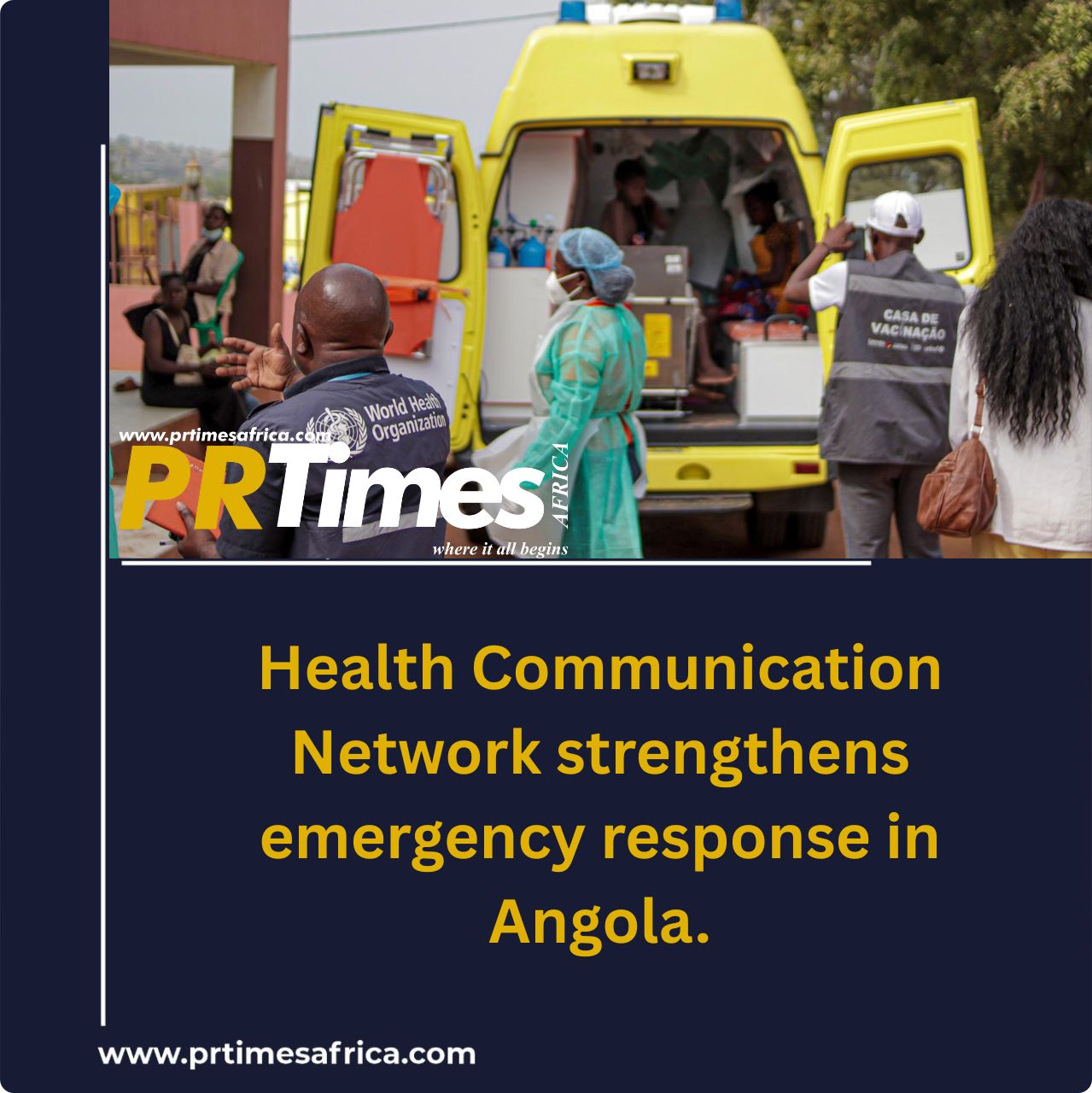
    In a significant move to enhance public health communication, Angola has launched a comprehensive national training program focused on equipping media professionals with the skills to effectively respond to health emergencies. The initiative, a collaborative effort between the Ministry of Health (MINSA) and the Ministry of Telecommunications, Information Technology, and Social Communication (MINTTICS), was supported by the World Health Organization (WHO), the United Nations Children’s Fund (UNICEF), and funded by the European Union.The training brought together over 100 journalists and communicators from 13 of Angola’s provinces, underscoring the critical role of the media in safeguarding public health. Held as a foundational step toward establishing Angola’s Health Communication Network, the program aims to create a robust platform for collaboration among media outlets, local authorities, and international partners. This network is designed to foster coordinated, effective communication strategies during health crises, ensuring timely and accurate information reaches the public.Angola’s Secretary of State for Media, Nuno Albino, emphasized the importance of responsible journalism in this context, stating, “When practiced with integrity, journalism enhances health literacy, strengthens social cohesion, and protects lives.” The training featured interactive debates, practical exercises, and the introduction of tools to combat misinformation, while encouraging media professionals to build bridges between health authorities and communities.UNICEF Deputy Representative in Angola, Louise Moreira Daniels, highlighted the media’s role in upholding the right to health, noting, “Access to reliable information and culturally relevant narratives is vital for addressing Angola’s unique health challenges.” These challenges include persistent issues like maternal and infant mortality, recurring epidemic outbreaks, and the growing impacts of climate change, all of which demand clear, accessible, and evidence-based communication.The initiative reflects Angola’s broader commitment to strengthening public trust in its health system through transparent and timely communication. Dr. Tomás Valdez, WHO Acting Representative in Angola, reinforced this, stating, “Investing in communication ensures that during epidemics, climate emergencies, or vaccination campaigns, the population has the information needed to adopt healthy behaviors.”By fostering a skilled and coordinated media network, Angola is positioning itself to better manage health crises and promote public health resilience, aligning with international standards for effective health communication. This landmark training marks a proactive step toward empowering communities with the knowledge to navigate complex health challenges, ensuring a healthier and more informed population.
    Health Communication Strategies
    Global Health Initiatives
  • Opening Rail to Private Enterprise: Messaging Efficiency in Motion

    Opening Rail to Private Enterprise: Messaging Efficiency in Motion

    Opening Rail to Private Enterprise: Messaging Efficiency in Motion

    By Musa Sunusi Ahmad:


    South Africa’s freight rail sector is on the cusp of a major transformation. The government’s progressive reform strategy, opening the rail network to private enterprise, aims to unlock untapped capacity, improve service delivery, and catalyze economic growth. But beyond policy and infrastructure lies a more subtle and equally critical challenge: communicating this reform to an array of stakeholders, from the general public to industry insiders.

    South Africa is carefully framing its freight sector reform as a collaborative capacity-building exercise rather than a competitive threat to the incumbent, Transnet. We delve into the messaging strategies that aim to foster trust, align stakeholder interests, and position rail reform as a shared national priority, all vital for its ultimate success.

    The Freight Rail Conundrum: From Bottlenecks to Breakthroughs

    For decades, Transnet Freight Rail (TFR) has been South Africa’s dominant rail freight operator, managing a vast network essential to the country’s mining, agriculture, and manufacturing sectors. Yet, despite its pivotal role, the rail freight system has grappled with chronic bottlenecks, aging infrastructure, and service inefficiencies that have hampered economic competitiveness.

    In response, the government has announced reforms allowing private sector operators access to the rail network, a move designed to introduce fresh investment, innovation, and capacity without dismantling the existing system. But given Transnet’s historic near-monopoly, the reform inevitably raises concerns over market dynamics and potential disruptions.

    Messaging Challenges: Navigating a Complex Landscape

    • Communicating reform of this scale requires more than outlining technical details. It demands strategic messaging that carefully balances multiple imperatives:
    • Reassurance to the public and workforce: Preventing fears of job losses or destabilization.
    • Clarity for industry: Defining roles and expectations to avoid confusion or mistrust.
    • Investor confidence: Demonstrating an attractive and stable environment for private participation.

    Political buy-in: Aligning with broader socio-economic goals, including Black Economic Empowerment (BEE) and infrastructure development.

    South Africa’s messaging architecture rises to this challenge by positioning reform as a partnership that enhances rail capacity and service efficiency, rather than a threat to Transnet’s role.


    Framing Capacity Over Competition: A Strategic Narrative

    The cornerstone of South Africa’s freight reform messaging is “capacity enhancement over competition.” This subtle but powerful narrative shift shapes how stakeholders perceive the reform and its potential impact.

    Why Emphasize Capacity?

    Focusing on capacity addresses the core pain point in the sector: constrained rail infrastructure unable to meet growing freight demands. By highlighting that private operators will add to the existing network’s throughput rather than replace or compete aggressively with Transnet, the messaging builds a positive outlook.

    Transnet: Custodian, Not Competitor

    Messaging consistently underscores Transnet’s continuing role as the custodian of core rail infrastructure. This reassures stakeholders that the rail backbone remains intact, managed by an experienced entity responsible for network safety and regulation.

    Private operators, meanwhile, are cast as capacity catalysts,  entities that bring new investments, technology, and operational efficiencies to relieve congestion and open new freight corridors.

    This dual role creates a complementary dynamic that the government portrays as essential to revitalizing the sector.

    Public Messaging: Building Understanding and Trust

    For the general public, clarity and reassurance are paramount. Messaging campaigns leverage multiple platforms, from traditional media to social forums, to explain how rail reform will improve everyday life and the broader economy.

    Highlighting Tangible Benefits

    • Communications focus on practical benefits that resonate with citizens:
    • Improved service reliability leading to more stable supply chains.
    • Reduced logistics costs translating to more affordable goods.
    • Job creation stemming from new investments and expanded operations.
    • Environmental benefits via rail’s lower carbon footprint compared to road transport.

    Transparency and Engagement

    Recognizing public skepticism from past infrastructure initiatives, the government employs transparent messaging emphasizing:

    • Strict regulatory oversight.
    • Commitment to safety and fair access.
    • Alignment with national priorities like economic inclusion and development.

    Community engagement forums and partnerships with labor unions serve to demystify the reforms, ensuring voices across society are heard and addressed.

    Industry Communication: Aligning Stakeholder Interests

    Within the freight sector, messaging becomes more technical and collaborative. The industry narrative is designed to:

    • Clarify roles and expectations: Defining how private operators and Transnet will coexist.
    • Promote innovation: Encouraging investment in new technologies and customer-centric service models.
    • Foster partnership: Emphasizing that a more efficient rail network benefits all players, including shippers, logistics firms, and government.

    Managing Competitive Concerns

    The messaging tactfully downplays fears of destructive competition by framing private enterprise involvement as a value-add rather than a takeover. This includes:

    • Detailed guidelines on how private operators will access the network.
    • Commitment to fair tariff structures and dispute resolution mechanisms.
    • Support for capacity-sharing agreements that maximize network utilization.

    Such clarity is essential for securing buy-in from Transnet, new entrants, and customers alike.

    Messaging in Action: Case Studies and Early Signals

    Several pilot projects and regulatory announcements demonstrate how messaging underpins reform efforts:

    • The “Freight Rail Access Regulatory Framework” initiative communicates a balanced approach to market entry, highlighting capacity gains.
    • Public-private partnerships (PPPs) in key corridors are framed in messaging as models of cooperation driving efficiency.
    • Early media briefings spotlight collaborative success stories between Transnet and private operators, reinforcing the narrative of partnership.

    These examples build momentum and validate the messaging strategy on the ground.

    Messaging as the Engine of Reform Success

    South Africa’s freight rail reform is a complex policy journey requiring not only technical changes but a fundamental shift in perception. By strategically framing private sector involvement as a capacity-enhancing collaboration, not a competitive battle, government and industry communicators have created a powerful narrative that unites stakeholders behind a shared vision.

    This messaging framework of “efficiency in motion” is more than a slogan; it is the glue binding policy, investment, and public confidence. As South Africa opens its rail doors wider, it is this clarity, transparency, and collaborative spirit that will drive the reform from promise to practice, unlocking the full potential of the nation’s freight transport system for decades to come.

  • How digital service centres let young entrepreneurs thrive in Senegal

    How digital service centres let young entrepreneurs thrive in Senegal

    How digital service centres let young entrepreneurs thrive in Senegal

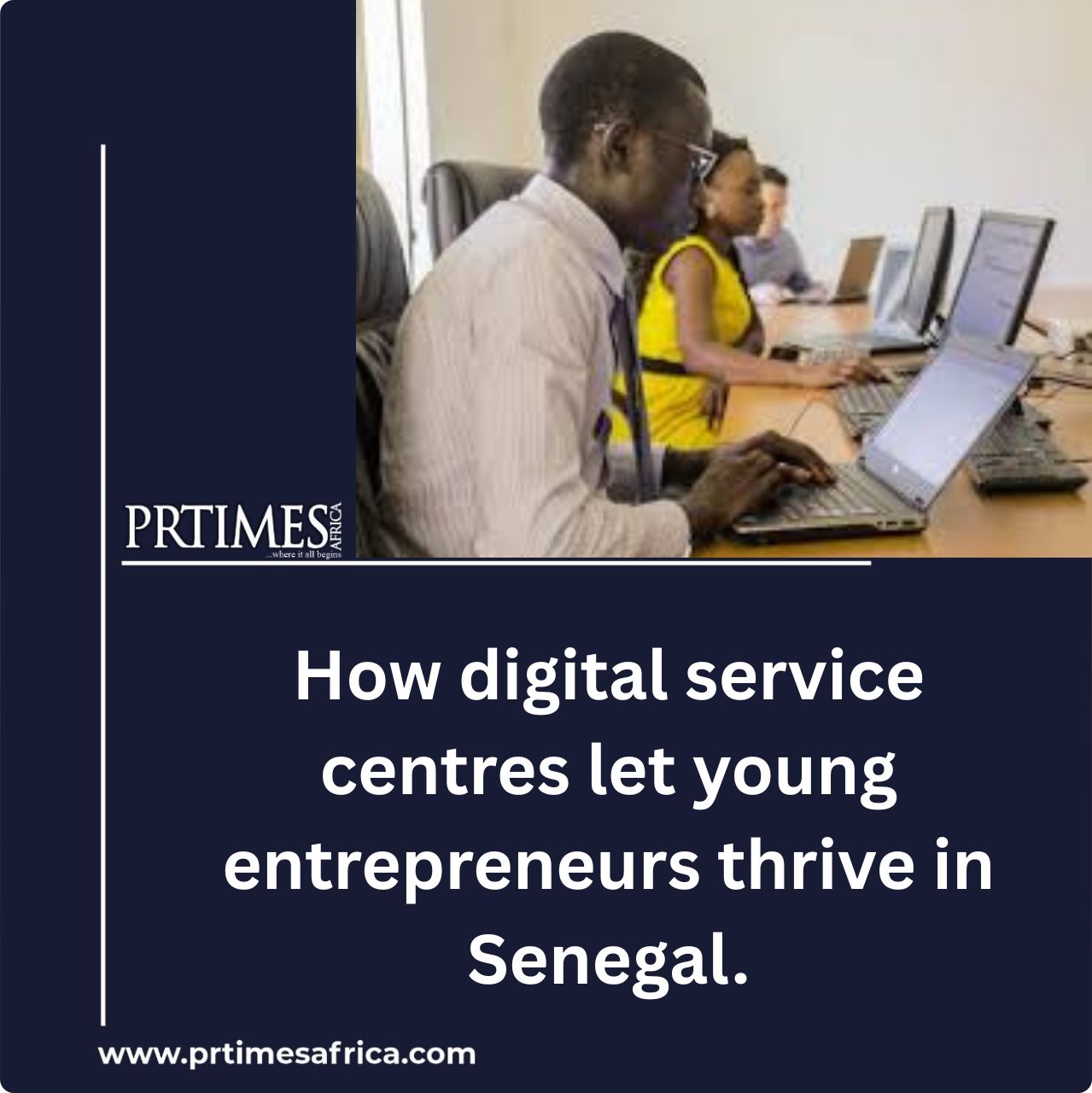
    Digital Service Centres Empower Young Entrepreneurs to Thrive in Senegal GENEVA, Switzerland, August 22, 2025 – In Senegal, a new wave of young entrepreneurs is transforming innovative ideas into thriving businesses, thanks to two digital service centres established at universities in Saint-Louis and Ziguinchor. Supported by the International Trade Centre (ITC) through its West Africa Competitiveness Support Programme – Senegal Component (PACAO-Senegal), these centres provide critical resources such as free computers, high-speed internet, training, mentorship, and networking opportunities. By equipping young founders with the tools and skills needed to succeed, the centres are fostering a vibrant entrepreneurial ecosystem and driving economic growth in the region. Empowering Innovation Through Technology and Mentorship Located at Gaston Berger University in Saint-Louis and Assane Seck University in Ziguinchor, the digital service centres serve as hubs for aspiring entrepreneurs. Since their inception, they have supported hundreds of young innovators by providing access to cutting-edge technology and expert guidance. In 2024 alone, the Saint-Louis centre assisted 501 individuals, while the Ziguinchor centre worked with 241 project holders. These centres are not only bridging the digital divide but also enabling young Senegalese to turn their ideas into sustainable businesses that address local challenges and create jobs.The success stories of two young entrepreneurs, Djiby Diop and Ousmane Traoré, highlight the transformative impact of these centres. Djiby Diop: Revolutionizing Agriculture with Technology Djiby Diop, a 32-year-old IT graduate, discovered his entrepreneurial calling at the Saint-Louis Service Centre. With a passion for agriculture but limited practical skills, Diop leveraged the centre’s resources to launch Dior Bi, a company focused on producing organic fruits and vegetables. Through mentorship and access to tools, he developed a prototype for an automatic irrigation system designed to optimize water usage and boost agricultural yields—a critical innovation in a region prone to water scarcity.“I found out about the Centre thanks to a friend. When I arrived, I lacked practical skills, but I had one thing: the will to become an entrepreneur. The Centre gave me the tools to make it happen,” Diop said. His work is a testament to how the centres empower young people to address local challenges with innovative solutions, contributing to Senegal’s agricultural sector and food security.Ousmane Traoré: Modernizing Livestock ManagementOusmane Traoré, a 27-year-old master’s student in forestry, turned his passion for farming and business into two groundbreaking ventures with support from the Ziguinchor Service Centre. Inspired by a youth employment forum in 2021, Traoré launched Gaynako, a startup that produces sustainable livestock feed from agricultural waste and bulrush, abundant in Senegal’s wetlands. By 2024, he upgraded Gaynako with a digital platform to streamline livestock management, improving efficiency for farmers.Traoré’s innovation didn’t stop there. He also created Yaralma, a digital platform that allows urban residents to invest in livestock raised by professional ranchers. “With increasing urbanization, many people can no longer keep livestock at home. Thanks to Yaralma, they can buy livestock on the platform and entrust it to professional breeders while receiving real-time updates on their animals,” Traoré explained. Employing a team of six, his ventures are modernizing Senegal’s ranching industry, creating jobs, and connecting rural breeders with urban investors.A Catalyst for Economic and Social ImpactThe digital service centres are part of a broader effort by the ITC to promote entrepreneurship and economic development in West Africa. By providing access to technology, training, and mentorship, the centres are enabling young Senegalese to transform simple ideas into viable businesses. These ventures not only generate income but also address pressing challenges such as unemployment, food security, and sustainable resource use.The success of entrepreneurs like Diop and Traoré underscores the centres’ role in fostering innovation and resilience. Their businesses are creating ripple effects in their communities, from improving agricultural practices to modernizing traditional industries like ranching. As these young founders plan to scale their ventures, they aim to leverage the skills and networks gained from the centres to reach new heights.A Model for Global EntrepreneurshipSenegal’s digital service centres offer a replicable model for other developing economies seeking to empower young entrepreneurs. By combining access to technology with mentorship and networking, the centres are unlocking the potential of a new generation of innovators. The ITC’s PACAO-Senegal initiative demonstrates how targeted investments in youth and digital infrastructure can drive economic transformation, create jobs, and foster sustainable development.As Djiby Diop and Ousmane Traoré continue to grow their businesses, their stories inspire others to tap into the resources offered by the digital service centres. With ongoing support from the ITC and local partners, Senegal’s young entrepreneurs are poised to lead the country’s economic future, proving that innovation, determination, and the right tools can turn dreams into reality.
  • Africa in the Algorithm: Why African Leaders Need a Collective PR Strategy in the Age of Generative AI

    Africa in the Algorithm: Why African Leaders Need a Collective PR Strategy in the Age of Generative AI

    Africa in the Algorithm: Why African Leaders Need a Collective PR Strategy in the Age of Generative AI

    By Musa Sunusi Ahmad:

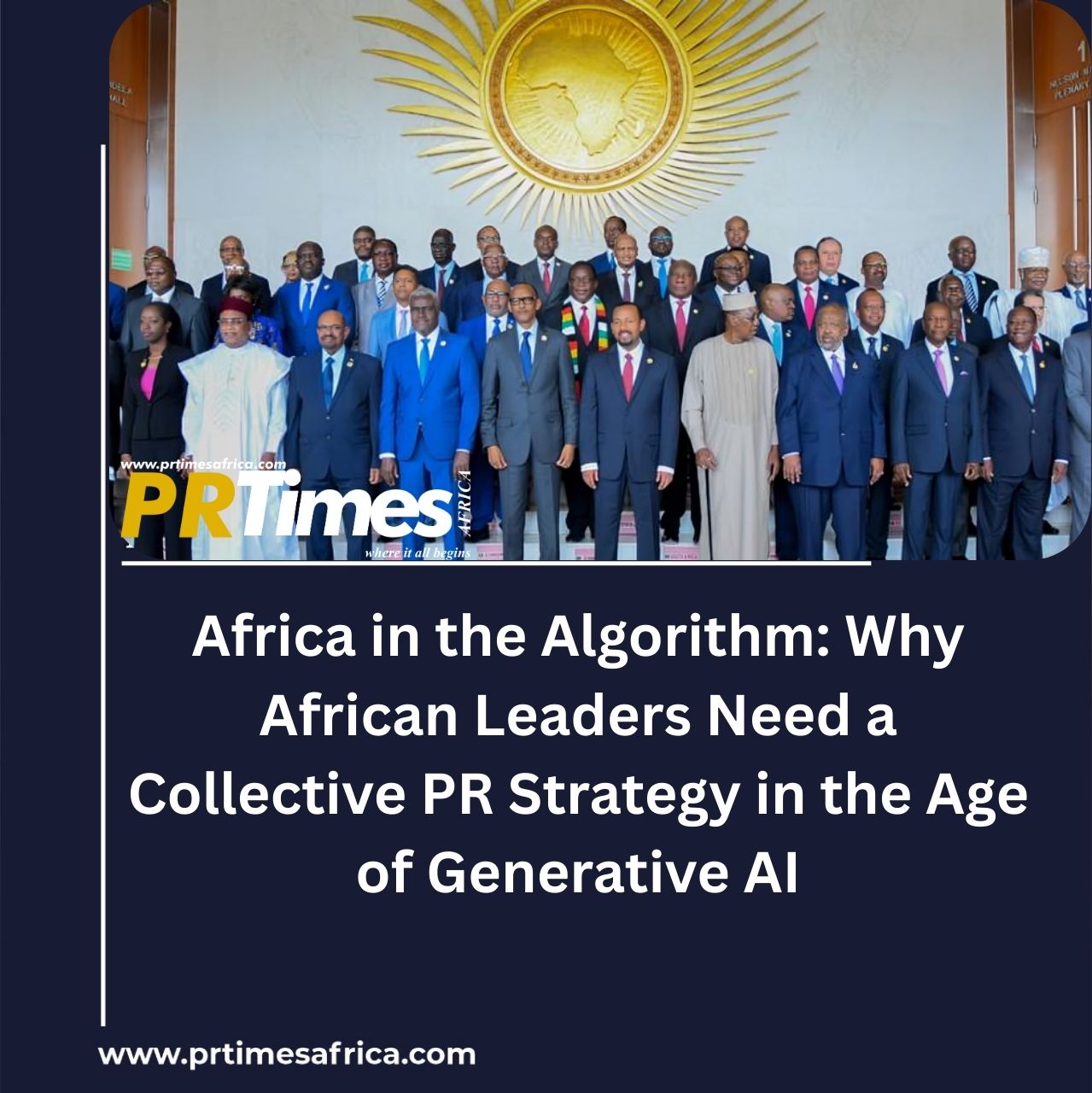
    In the quiet rooms of tech labs in Silicon Valley, Shenzhen, and London, generative AI tools are shaping new worlds, worlds that include Africa, often without African voices in the room. As synthetic content creation rapidly becomes a global norm, African leaders, political, business, and cultural, must confront an urgent question: Who is telling Africa’s story, and how is it being shaped by artificial intelligence?

    The Generative Dilemma

    From ChatGPT and Gemini to DALL·E and Sora, generative AI tools are now capable of crafting persuasive narratives, realistic images, and entire virtual environments. These tools ingest massive amounts of online data to produce content at scale. But here lies the rub: the data they feed on is largely Western-centric, riddled with outdated stereotypes, colonial framing, and historical biases about Africa and its people.

    This means when someone in Europe asks an AI tool to “show an African village,” they’re more likely to see a dusty, poverty-stricken scene than a modern, bustling township. Ask for an “African leader,” and the results often skew towards dictators of the past rather than democratic change-makers of today.

    A PR Crisis, Without a Scandal

    Unlike traditional PR crises, rooted in events, misstatements, or reputational blows, this one is subtle, structural, and dangerously invisible. AI is shaping global perceptions of Africa, automatically, algorithmically, and with shocking consistency. What’s more, these perceptions are then recycled into international media, educational tools, policy models, and even investor briefings.

    And Africa’s voice? All too often, it’s absent, underrepresented, or misrepresented.

    The Case for a Pan-African PR Strategy

    It’s time for Africa to act, not defensively, but decisively. A collective, continent-wide public relations and communications strategy is no longer a “nice-to-have” but a strategic imperative. This initiative should serve to:

    1. Define the African Narrative

    Let Africa speak for itself, not through the lens of AI built on foreign data. Africa’s diversity, innovation, youth population, culture, and climate leadership deserve accurate digital representation.

    1. Engage AI Developers

    African governments and media houses should proactively engage OpenAI, Google DeepMind, Meta, and others to demand inclusive data training practices and cultural representation standards.

    1. Build Continental Media Power

    Pan-African media outlets and content creators should be empowered through funding, training, and platforms to feed the digital ecosystem with accurate, vibrant African content.

    1. Promote Digital Literacy and Advocacy

    Educate local PR professionals, government spokespeople, and digital creators about how AI generates content and how to influence those algorithms.

    1. Institutionalize AI Representation Protocols

    The African Union and regional bodies like ECOWAS and SADC must work to institutionalize protocols for how AI systems engaging Africa should be held accountable, much like international media codes of ethics.

    Not Just a Tech Issue, A Sovereignty One

    This is about more than pixels and prose. It’s about cultural sovereignty, global influence, and economic opportunity. In an age where perception drives policy and investment, Africa cannot afford to be rendered invisible or inaccurately portrayed by code written elsewhere.

    As African nations shape their futures through AfCFTA, digital economies, and green innovations, generative AI must reflect those realities, not old tropes. Without a united PR front, we risk a future where our children’s identities are pre-scripted by machines trained on someone else’s version of Africa.

    Own the Narrative or Be Narrated

    In the fast-moving AI race, silence is not neutrality, it’s erasure. Africa must seize this moment not as a threat, but as a catalyst to reimagine and reclaim its digital narrative.

    The tools of generative AI are powerful. With a collective strategy, so is Africa’s voice.

  • The International Day of Remembrance and Tribute to the Victims of Terrorism

    The International Day of Remembrance and Tribute to the Victims of Terrorism

    African Union Commemorates International Day of Remembrance for Victims of Terrorism, Urges Robust Action Against Extremism ADDIS ABABA, Ethiopia, August 22, 2025 – On the International Day of Remembrance and Tribute to the Victims of Terrorism, the African Union (AU) Commission Chairperson, H.E. Mahmoud Ali Youssouf, honored the memory of those who have lost their lives to terrorist acts and expressed solidarity with survivors enduring the lasting physical, psychological, and social impacts of terrorism and violent extremism. The Chairperson emphasized that the ongoing suffering of victims underscores the critical need for intensified global and regional efforts to combat terrorism, which continues to devastate communities, destabilize societies, and undermine peace, security, and development across Africa. In a statement released today, Chairperson Youssouf highlighted the African Union’s unwavering commitment to eradicating terrorism through a robust normative framework established under the 1999 Organization of African Unity (OAU) Convention on the Prevention and Combating of Terrorism and its 2004 Protocol. These instruments reflect the continent’s unified resolve to address the growing threat of terrorism and violent extremism. The Chairperson called on all AU Member States to fully implement these frameworks, stressing their importance in fostering a coordinated and effective response to the scourge of terrorism. The AU’s approach to counterterrorism, as outlined by Youssouf, emphasizes a dual strategy that integrates both military and non-military measures. While acknowledging the necessity of security operations to neutralize immediate threats, the Chairperson advocated for complementary initiatives that promote dialogue, reconciliation, and socio-economic reintegration to address the root causes of extremism. “Military efforts alone are not enough,” Youssouf stated. “We must invest in fostering inclusive societies, resolving conflicts peacefully, and providing opportunities for socio-economic development to prevent the spread of extremist ideologies.” The Chairperson reaffirmed the AU’s solidarity with victims of terrorism and their families, pledging continued support to Member States in their efforts to eliminate terrorism and build a peaceful, secure, and dignified Africa. The AU’s commitment aligns with the global objectives of the International Day of Remembrance and Tribute to the Victims of Terrorism, established by the United Nations General Assembly to honor victims, promote their rights, and amplify their voices in the global fight against terrorism. A Call to Action The AU’s statement comes at a time when Africa faces persistent threats from terrorist groups operating in regions such as the Sahel, the Horn of Africa, and parts of West and Central Africa. These groups have caused widespread displacement, loss of life, and economic disruption, posing significant challenges to the continent’s development agenda, including the AU’s Agenda 2063, which envisions a prosperous and peaceful Africa. By leveraging its normative frameworks and advocating for a balanced approach to counterterrorism, the AU seeks to strengthen regional cooperation and international partnerships to address this complex challenge. The Chairperson’s message serves as a clarion call for unity, resilience, and collective action to honor the memory of terrorism’s victims by building a safer and more secure future for all Africans.
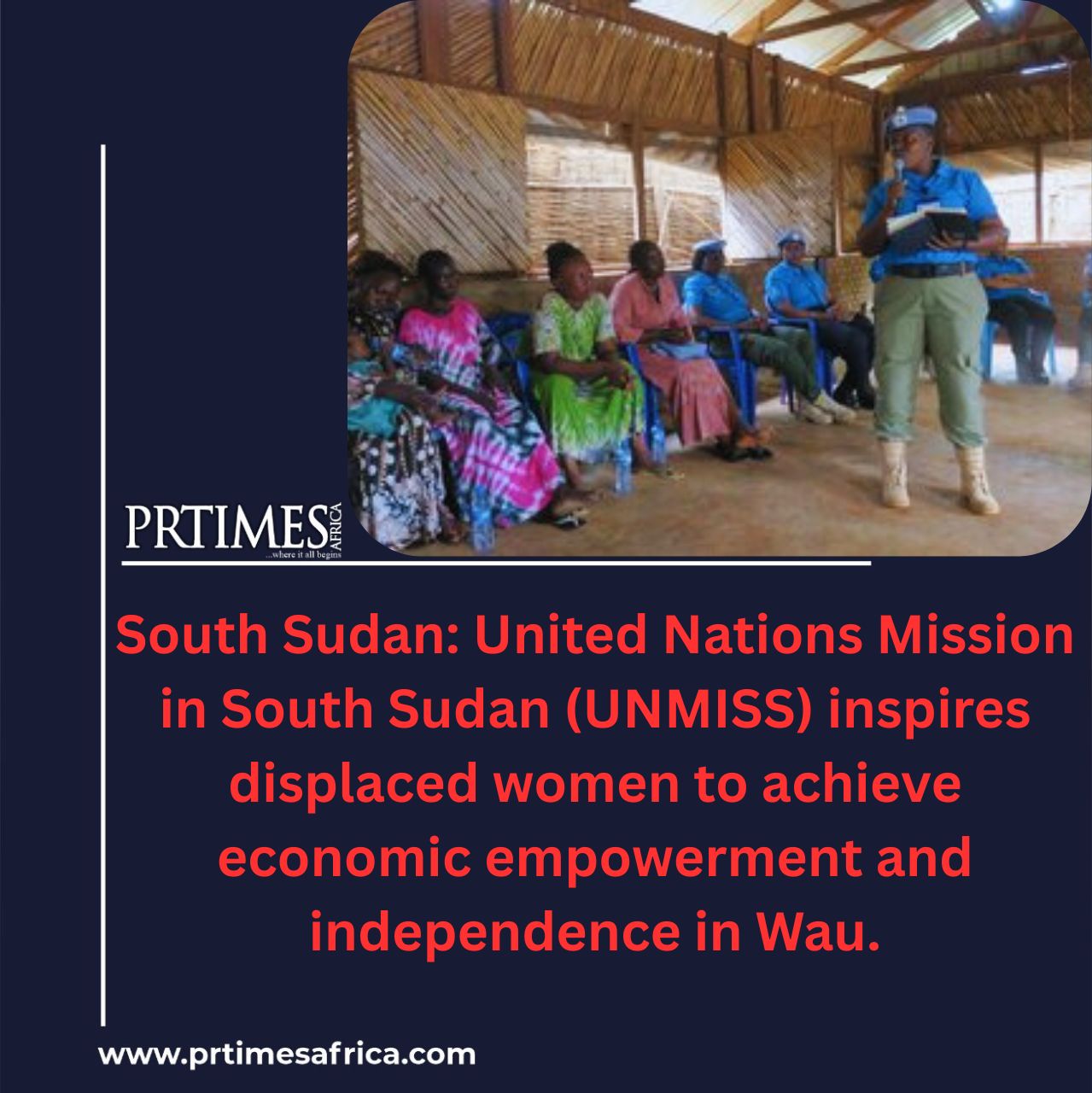
  • South Sudan: United Nations Mission in South Sudan (UNMISS) inspires displaced women to achieve economic empowerment and independence in Wau

    South Sudan: United Nations Mission in South Sudan (UNMISS) inspires displaced women to achieve economic empowerment and independence in Wau

    South Sudan: UNMISS Drives Economic Empowerment and Community Resilience for Displaced Women in Wau JUBA, South Sudan, August 20, 2025 – In South Sudan, a nation grappling with protracted conflict and severe humanitarian challenges, women in displaced communities often bear the immense responsibility of supporting their families single-handedly. The United Nations Mission in South Sudan (UNMISS), in partnership with the South Sudan National Police Service (SSNPS), organized a transformative event at the Naivasha camp for internally displaced persons (IDPs) in Wau, Western Bahr El Ghazal, to promote economic empowerment, self-care, and community-led peacebuilding among women. The initiative, attended by approximately 70 women and 10 men, sought to address the multifaceted challenges faced by women in the camp, particularly single mothers striving to sustain their households amid a rapidly deteriorating economic and humanitarian crisis. The event emphasized the critical role of economic independence in enabling women to combat harmful societal practices, such as domestic violence and early or forced marriages, which severely limit girls’ access to education and future employment opportunities. Empowering Women Through Self-Care and Leadership United Nations Police Officer Esther Adeke delivered a powerful message on the importance of self-care as a foundation for empowerment and peacebuilding. “By prioritizing self-care—emotionally, physically, socially, and spiritually—women become strong leaders, better listeners, and more patient negotiators,” she said. “Our families and communities draw courage from our example in pursuing peace.” Adeke highlighted that while the women of Naivasha camp are well-organized and resilient, their ability to thrive depends on nurturing their own well-being alongside their economic endeavors. The event provided a platform for women to share their experiences and aspirations. Christina Eliano Kamilo, deputy chairperson of the Naivasha camp, underscored the urgent need for economic support. “Many women here are single mothers who must support their entire households,” she said. “We need more assistance to achieve economic independence and survive these difficult times.” Economic empowerment, she noted, is not only about financial stability but also about enabling women to secure better futures for their children, particularly their daughters. Addressing Gender-Based Challenges and Harmful Practices In South Sudan, women and girls face disproportionate impacts from conflict, including widespread gender-based violence and societal pressures that perpetuate early or forced marriages. These practices often force girls out of school, limiting their access to education and, consequently, their economic prospects. Elizabeth Akech, a community member, emphasized the ripple effect of women’s economic empowerment: “When women have better incomes, they can ensure their daughters stay in school. Childcare should be a shared responsibility so that we can exercise our rights and secure our independence. ”By fostering economic opportunities, UNMISS aims to empower women to break cycles of poverty and violence, enabling them to advocate for their rights and those of their children. The initiative also highlighted the need for systemic changes to address gender inequities, such as shared caregiving responsibilities, to allow women greater freedom to pursue education, employment, and leadership roles. Strengthening Community-Police Relations A key component of the event was building trust between the displaced community and the South Sudan National Police Service. Many women in the Naivasha camp have experienced or fear violence and abuse, yet lack confidence in reporting incidents due to distrust in local authorities. The partnership between UNMISS and SSNPS sought to bridge this gap by fostering dialogue and collaboration. “This partnership will foster trust and encourage women to report incidents of violence and abuse,” said Patrick Andrea, the Naivasha camp chairperson. By engaging local police in community-led initiatives, UNMISS aims to create a safer environment where women feel empowered to seek justice and protection. This trust-building effort is critical in a context where crime prevention and response mechanisms are often strained by resource limitations and ongoing insecurity. A Call to Action: Filling the Cup The event concluded with an inspiring call to action for the women of Naivasha camp: “You can’t pour from an empty cup. Fill your cup daily with love, rest, and hope to give more to your families and communities.” This message underscored the importance of self-care as a prerequisite for resilience and leadership, encouraging women to prioritize their well-being while pursuing economic and social empowerment. Broader Context and Impact South Sudan remains one of the world’s most challenging humanitarian environments, with over 4 million people displaced due to conflict, economic collapse, and climate-related crises. Women and girls, who make up a significant portion of the displaced population, face heightened vulnerabilities, including food insecurity, limited access to healthcare, and exposure to gender-based violence. Initiatives like the UNMISS event in Wau are part of broader efforts to address these challenges by empowering women as agents of change in their communities. By combining economic empowerment with peacebuilding and community-police collaboration, UNMISS is fostering a holistic approach to resilience in South Sudan. The Naivasha camp initiative serves as a model for how targeted interventions can uplift women, strengthen community cohesion, and lay the groundwork for sustainable peace and development. As South Sudan continues to navigate its complex challenges, empowering displaced women like those in Naivasha camp is not just a matter of economic necessity but a critical step toward gender equality, social justice, and lasting peace.
    impact on education
    gender equality initiatives
  • Renegotiating Gender Roles: Women’s Economic Empowerment Amid the Sudan WarSource: Collaborative Research by CEDEJ-Khartoum, Sudan-Norway Academic Cooperation (SNAC), and African Arguments – Debating Ideas

    Renegotiating Gender Roles: Women’s Economic Empowerment Amid the Sudan WarSource: Collaborative Research by CEDEJ-Khartoum, Sudan-Norway Academic Cooperation (SNAC), and African Arguments – Debating Ideas

    Africa: Renegotiating Patriarchy – Women’s Assets and Shifting Gender Roles During the Sudan War

    The ongoing Sudan War has reshaped social, economic, and political dynamics, particularly for women, as explored in a collaborative research series by Sudanese scholars, many of whom are displaced themselves. This study, conducted by the Center for Economic, Legal, and Social Studies and Documentation (CEDEJ-Khartoum), Sudan-Norway Academic Cooperation (SNAC), and African Arguments – Debating Ideas, examines how war and displacement are transforming gender roles, asset ownership, and women’s agency, with a focus on Sudanese refugees in Uganda’s Kiryandongo camp.War as a Catalyst for ChangeThe conflict in Sudan has disrupted traditional gender norms, historically rooted in patriarchal structures reinforced by religious and societal authority. Pre-war Sudan saw stark economic disparities, with women largely confined to domestic roles and excluded from asset accumulation. However, the war’s economic and security challenges have forced a reconfiguration of these norms, creating new opportunities for women’s economic and social empowerment.In Kiryandongo, women like Noda and Musana, both university graduates, exemplify this shift. Previously dependent and sidelined in family decisions, they now serve as primary breadwinners, navigating male-dominated spaces such as public markets and border crossings. These changes, driven by necessity, highlight women’s resilience and adaptability, but their sustainability post-conflict remains uncertain.Economic Agency and Asset MobilityWar has redefined women’s roles from caregivers to key economic providers. In refugee camps, women dominate small-scale market activities, selling goods like baked items, perfumes, and tea. This economic participation is bolstered by asset mobility—encompassing not only financial resources like cash and remittances but also social and cultural capital. Women’s ability to manage and allocate these assets has positioned them as decision-makers, enhancing their resilience and influence within their communities.This shift creates a reinforcing cycle: as women gain economic power, they expand their networks and access to resources, further strengthening their agency. However, the fragility of these gains is a concern, as post-conflict periods often see a reversion to traditional gender roles unless supported by broader ideological changes.Challenges and OpportunitiesThe war has introduced significant challenges, including widespread sexual violence, prompting families to prioritize women’s safety and mobility. Women’s economic contributions, such as sending remittances or facilitating family resettlement, have become vital for survival, redefining their roles as essential providers. These adaptations challenge patriarchal norms and open pathways for empowerment, though they remain fraught with obstacles.A Fragile Future?While the war has enabled women to assume new roles, the sustainability of these changes depends on whether societal attitudes evolve to value women’s contributions. Without ideological transformation, post-conflict recovery risks reinforcing patriarchal norms, potentially reversing progress toward gender equality.In Kiryandongo, Sudanese women are leveraging asset transfers and social networks to build resilient communities. Their stories underscore the potential for crisis-driven change to foster a more equitable future, provided these shifts are nurtured beyond the conflict.About the SeriesPublished under African Arguments – Debating Ideas, this research reflects the ethos of the African Arguments book series, hosted by the International African Institute at SOAS University of London. It amplifies engaged scholarship and activist perspectives from Africa and beyond, fostering debate on critical social, economic, and political issues.

Hot daily news right into your inbox.

Headline

Never Miss A Story

Get our Weekly recap with the latest news, articles and resources.
Cookie policy
We use our own and third party cookies to allow us to understand how the site is used and to support our marketing campaigns.