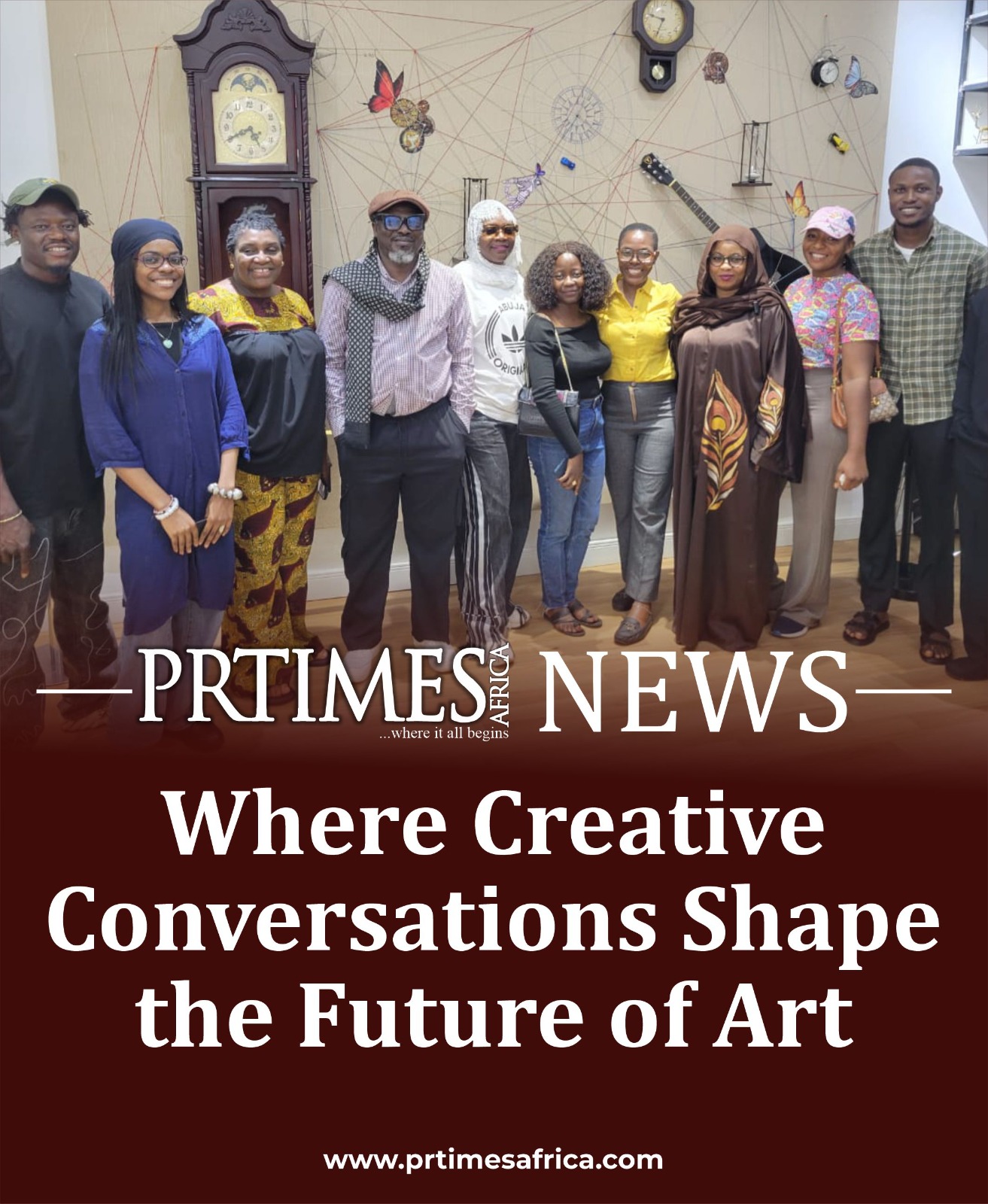
ABUJA – The June edition of Third Thursday, an initiative of the International Institute for Creative Development (IICD Center), brought together artists, creatives, students, and cultural enthusiasts for an engaging film screening and critical discussion of the film documentary “Exit Through the Gift Shop.”
As a recurring platform dedicated to fostering critical artistic engagement, creative research, and contemporary art discourse, Third Thursday was established by IICD Center to provide a sustainable space for learning, dialogue, and intellectual exchange within the creative community.
The June session used Exit Through the Gift Shop, the documentary associated with the enigmatic street artist Banksy as a catalyst for conversations around artistic identity, authenticity, persistence, creative practice, public perception, and the evolving relationship between art and commerce. Participants engaged in robust discussions, reflecting on Banksy’s influence on contemporary art and the broader implications of creativity as a tool for communication and social engagement.
Born from years of open studio engagements and cultural programming, Third Thursday serves as a curated creative hub where artists and cultural practitioners can investigate new ideas, challenge existing perspectives, learn from renowned artists through documentaries, artist talks, presentations, and research-based discussions, and deepen their understanding of contemporary art practice.
The platform is founded on the belief that meaningful social and cultural transformation begins with conversation. Through consistent, thoughtfully curated dialogue, Third Thursday continues to strengthen artistic vocabulary, encourage critical thinking, and contribute to the growth of a vibrant and intellectually engaged creative ecosystem in Abuja and beyond.
Through initiatives such as the June screening of Exit Through the Gift Shop, the International Institute for Creative Development (IICD) Center reaffirms its commitment to nurturing a generation of artists willing to learn, unlearn, experiment, and contribute meaningfully to contemporary creative discourse.
Pioneering a Creative Shift in Africa
At the heart of this movement is a dedication to restructuring how art is taught, produced, and perceived. Speaking on the trajectory of their impact, the keynote speaker Mr, Ndbuisi Nduwhite Ahanonu, highlighted a legacy of breaking boundaries within the local art ecosystem. Notably, the initiative pioneered the now-widespread trend of “upcycling” in the region, launching dedicated workshops as early as 2017.
“There is no upcycle artist that has not passed through our workshop,” the speaker noted, referencing a rigorous training program that ran intensely until 2023.
By bringing together cohorts of 15 artists at a time from all corners of Nigeria, the initiative has successfully equipped creators with the tools to turn waste into wealth, fostering renowned alumni like sculptor Steve Ekpenisi.
Beyond environmental consciousness, the initiative has historically set a benchmark for artist welfare and structural support. Between 2015 and 2018, it established the “first-ever fully paid artist residency program in Nigeria”, attracting international talent from France, Greece, and Germany. By facilitating a cross-pollination of global ideas and focusing strictly on conceptual depth over mere commercialism, the initiative is successfully driving a major shift in the creative arts across Africa.
The Intersection of Art, Commerce, and Authenticity
A major highlight of the Abuja event was a dynamic conversation and screening of the acclaimed documentary, Exit through the Gift Shop. The film, which famously deconstructs the street art movement, served as a catalyst for a broader debate on the thin line separating genuine artistic expression from commercial exploitation.
The subsequent discussion challenged attendees to look at the community mindset regarding art valuation. In a world where African art is gaining rapid commercial traction, the dialogue forced a confrontation with a vital question: “How do creators maintain their cultural authenticity when global markets demand commercialized uniformity”
The speaker emphasized that their initiatives intentionally seek out creators with deep ideologies and structural grit, rather than those purely chasing market trends. By using art as a tool for communication, the community is encouraged to view the artist not just as a vendor, but as a cultural custodian and thought leader.
A Hopeful Blueprint for the African Creative Sector.
The insights shared at the “Third Thursday” event offer a clear, actionable solution for the challenges plaguing the African creative industries. To spark effective, systemic change, the sector must transition away from isolated individual efforts and move toward, sustained institutional collaboration.
The speaker pointed out that their organizational success relies heavily on high-profile cultural management, citing past and ongoing consultations with foreign affairs bodies, the National Employment Centre, and the US Embassy.
[Local Artists] ➔ [Conceptual Residencies & Workshops] ➔ [Institutional & Global Partnerships] ➔ [Sustained Economic & Cultural Change]
The Path Forward:
Institutional Backing:For true transformation to take root, local governments and corporate bodies must step up to fund structural residencies and technical workshops.
Global Collaborations: Aligning African creative hubs with international embassies and global art institutions ensures that local narratives are amplified without losing their core authenticity.
Focus on Ideology Over Profit: Cultivating spaces that prioritize intellectual and structural depth over quick retail turnaround will naturally elevate the global value of African art.
By fostering spaces where artists are intellectually challenged and financially supported, initiatives like the “Third Thursday” conversations are doing more than just showcasing art. They are altering the community mindset, proving that when art communicates clearly, it becomes an unstoppable vehicle for socio-economic change across Africa.
- Rwanda Announces Visa-Free Entry for All African Citizens
- Kalidou Koulibaly: Senegal footballer signs up to defend the most vulnerable in armed conflicts
- Nigeria’s Abuja-Kaduna Railway Debacle: Who’s Responsible?
- Africa Charts a New Path to Sustainable Health Financing
- Why Tinubu’s Tough Reforms Demand Unified, Strategic Government Communication
- Winning Africa’s Heart: Why Internal Communication Will Define the Workplace of 2027