Statement of the Inter-Ministerial Committee on the National Dialogue on the state of readiness for the first National Convention


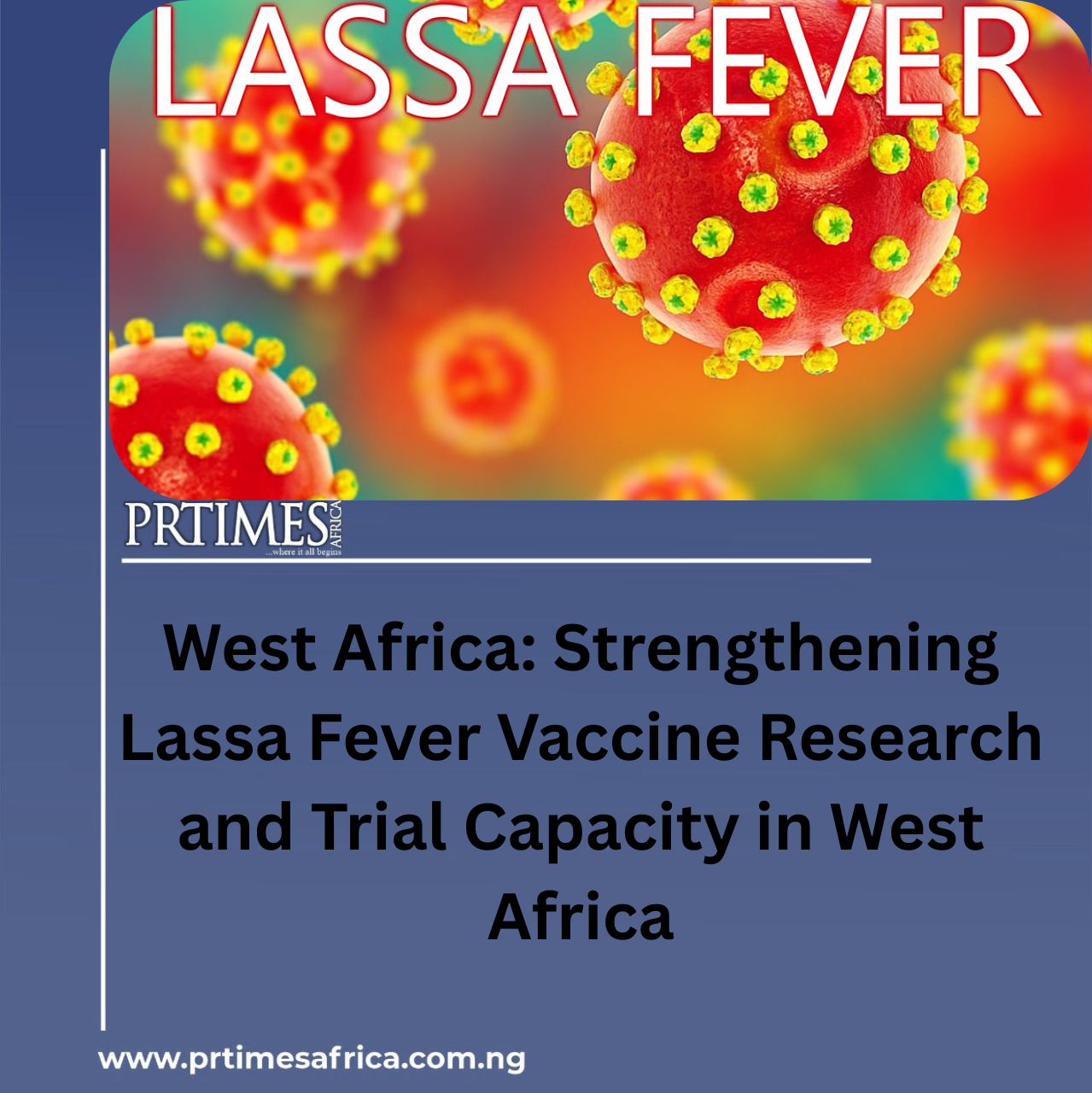
West Africa Advances Lassa Fever Vaccine Research Amid Rising Cases Abuja, Nigeria, August 14, 2025 – As Lassa fever continues to claim lives across West Africa, with Nigeria alone reporting 717 confirmed cases and 138 deaths in the first five months of 2025, regional and global efforts are intensifying to develop a vaccine and bolster research capacity. The viral hemorrhagic fever, endemic to countries like Nigeria, Ghana, Liberia, and Sierra Leone, underscores the urgent need for sustained investment in vaccine development and local manufacturing to curb its devastating impact. Breakthroughs in Vaccine Development A significant milestone was announced in June 2025 by Nigerian virologist Dr. Simeon Agwale of Innovative Biotech. His team developed a Lassa fever vaccine based on a Nigerian strain, achieving 100% protection in preclinical trials on mice and non-human primates. Licensed from Medigen USA, the vaccine is poised for Phase 1 clinical trials, pending upgrades to manufacturing facilities to meet Good Manufacturing Practice (GMP) standards. Globally, the Coalition for Epidemic Preparedness Innovations (CEPI) is supporting multiple vaccine candidates. The IAVI-developed rVSV-based vaccine, modeled on the Ebola vaccine platform, is now in Phase 2a trials across Nigeria, Ghana, and Liberia, enrolling over 600 participants to evaluate safety and immune response. Results are expected later in 2025. Additionally, Oxford University’s ChAdOx1 vaccine, leveraging the same platform as the Oxford/AstraZeneca COVID-19 vaccine, entered Phase 1 trials in London in early 2025, with plans to expand to West Africa. Building Research and Trial Capacity West Africa is strengthening its capacity to lead vaccine trials through regional collaboration and infrastructure development. The CEPI-funded Enable study, the largest Lassa fever research effort to date, is generating critical epidemiological and sero prevalence data to guide trial design and site selection. The study also enhances local infrastructure, improving cold-chain systems, laboratory diagnostics, ethical review processes, and data management. The West Africa Health Organization (WAHO) leads the Lassa Vaccine Coalition, uniting governments, researchers, and regulators across Nigeria, Sierra Leone, Liberia, and beyond to align vaccine development with regional needs. In Nigeria, the Lassa Vaccine Task Force, launched in 2023, coordinates efforts between the Nigeria Centre for Disease Control (NCDC) and the National Agency for Food and Drug Administration and Control (NAFDAC).Training programs are fostering a new generation of researchers. The Vanderbilt-Nigeria V-BRCH program and Nigeria’s Field Epidemiology Training Programme (NFETP) are equipping scientists with skills in ethics, Good Clinical Practice, and outbreak response. The Kano Independent Research Centre Trust (KIRCT) serves as a model trial site with advanced laboratories and community engagement systems.Manufacturing Challenges PersistDespite scientific progress, West Africa faces significant hurdles in vaccine manufacturing. While Senegal’s Institut Pasteur de Dakar leads regional production, most countries, including Nigeria, rely on imported vaccines. Nigeria’s National Veterinary Research Institute produces livestock vaccines but lacks GMP-compliant facilities for human vaccines. High costs, scarce raw materials, and inadequate infrastructure hinder progress toward WHO prequalification.Nigeria’s Presidential Initiative for Unlocking the Healthcare Value Chain (PVAC) aims to address these gaps by mobilizing investment and enhancing local manufacturing. However, a shortage of skilled researchers and outdated training curricula remain barriers. Traditional fellowships often fail to build sustainable research ecosystems, and limited mentorship and career pathways risk losing talent.A Path to Self-RelianceWith promising vaccine candidates and growing research capacity, West Africa is poised to shift from vaccine dependency to leadership in combating Lassa fever. Sustained investment in training, trial infrastructure, and manufacturing, alongside robust community engagement to address vaccine hesitancy, will be critical to success. As global and regional efforts converge, countries like Nigeria are laying the foundation for a future where they can independently tackle Lassa fever and other endemic threats.

Double Standards in Justice: Communicating Fairness to Win Investor Confidence in Africa
By: Musa Sanusi Ahmad
“Justice must not only be done, but must also be seen to be done.” These words echo louder in Africa
today, as the continent finds itself grappling with the dual challenge of building investor confidence
while confronting the persistent perception, and reality, of double standards in justice.
In the last two decades, Africa has made significant progress in becoming an attractive destination for
global investment. From fintech in Nigeria to renewable energy in Kenya and minerals in the Democratic
Republic of Congo, the continent is bursting with opportunity. Yet, a nagging issue continues to cloud
investor sentiment: the perception that justice is selective, political interference is rampant, and legal
protections for businesses vary depending on who holds the power.
The Double Standard Dilemma
Across many African jurisdictions, the justice system is seen as skewed, often favoring the politically
connected while foreign or minority investors find themselves vulnerable to abrupt policy reversals,
opaque legal proceedings, and bureaucratic stonewalling.
Consider the examples:
In some countries, multinational corporations have faced asset seizures or retrospective tax bills
without due process.
Local entrepreneurs with less political clout often face insurmountable legal delays when
contesting unjust regulatory actions.
In corruption probes, foreign investors are sometimes made scapegoats, while local facilitators
escape scrutiny.
This inconsistency breeds caution. For institutional investors and global corporations, rule of law and fair
arbitration are as critical as market potential. Without predictable legal recourse, financial risk increases,
and so do insurance premiums and exit plans.
The Role of Communication in Restoring Trust
This is where strategic communication comes in. It’s no longer enough for governments and business
regulators to claim reform. They must communicate it effectively, credibly, and consistently.
Here’s how PR and communications professionals can bridge the trust gap:
1. Transparency Campaigns Rooted in Evidence
Regulatory bodies and justice departments should launch proactive campaigns showcasing data-backed
improvements: number of investor disputes resolved fairly, timeframes of legal recourse, and
independent rulings against government interests. Communication must be supported by real reform,
not just polished messaging.
2. Third-Party Validation
Credible third parties, international law firms, arbitration bodies, or NGOs—can validate justice system
improvements. Quotes, reports, and endorsements from these organizations can be leveraged in media
relations and investor briefings to shift the narrative from skepticism to cautious optimism.
3. Narrative Framing Around Fairness, Not Just Growth
Africa’s communications about investment have often leaned too heavily on GDP stats and untapped
markets. Today’s investors want assurance of ethical conduct, ESG compliance, and fair business
treatment. Reframing the narrative to emphasize judicial reform, investor protection, and anti-
corruption milestones is critical.
4. Real-Time Crisis Communication
When disputes arise, silence is the enemy. Governments and investment promotion agencies must
respond promptly, providing timelines for resolution and clear legal pathways. A proactive, respectful
stance signals institutional maturity, even amidst tension.
The Strategic Advantage of Fairness
For Africa to truly rise as a global investment powerhouse, it must not only be rich in resources, it must
be rich in rules that are consistently applied. In a world where capital is increasingly values-driven,
perceptions of fairness can move markets.
Justice and investment are deeply intertwined. And in the realm of international business, perception is
reality. PR and communications professionals are uniquely positioned to help African institutions
communicate fairness, not as a spin strategy, but as a pillar of sustainable development and investor
trust.
Because in the long game of economic reputation, integrity always outperforms impulse.

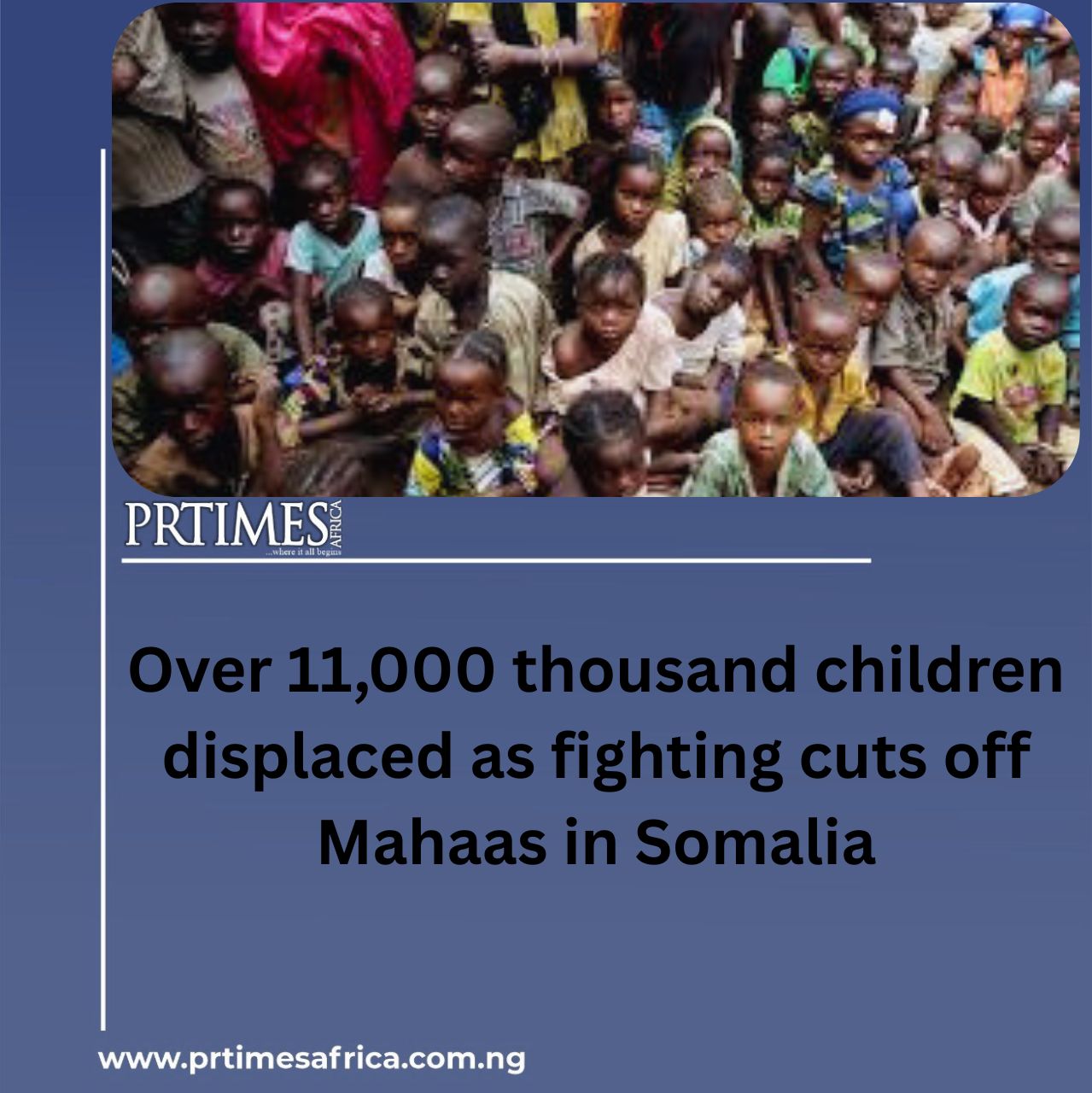
A surge in violent clashes in Somalia’s Hiraan region, involving local militias, government forces, and non-state armed groups, has displaced over 22,800 people in Mahaas district since July 27, 2025, with more than 11,000 of them children, according to Save the Children. The fighting, which has intensified over the past two months, has triggered a severe humanitarian crisis, leaving thousands cut off from essential services such as food, clean water, healthcare, and shelter. This escalation compounds an already dire situation driven by prolonged drought, aid cuts, and widespread food insecurity in central Somalia.Humanitarian Impact and DisplacementThe conflict has forced families to flee to nearby villages, where they are either hosted by already overstretched communities or left in open grazing lands without adequate shelter or resources. Overcrowded makeshift settlements lack basic amenities, exposing displaced populations—particularly women, children, and the elderly—to harsh conditions and heightened vulnerability. The destruction of water sources and blocked road access have further restricted access to markets and grazing lands, driving a sharp increase in food insecurity. Save the Children reports that the lack of clean water and food has placed thousands of families at risk, with children particularly susceptible to malnutrition and disease.Across central and southern Somalia, approximately 100,000 people have been displaced in the Hiraan and Gedo regions over the past two months, according to humanitarian partners and local authorities. This mass displacement has overwhelmed local resources, with shortages of shelter, food, water, and healthcare services creating a critical gap in support for affected communities.Collapse of Healthcare ServicesThe ongoing violence has led to the suspension of 21 Save the Children-supported health facilities in the Hiraan region, including a critical stabilization center for children suffering from severe acute malnutrition (SAM). Health workers have been forced to flee the conflict zones, leaving families without access to essential medical care. At the time of the escalation, over 150 children receiving treatment for SAM in Mahaas and surrounding areas fled with their families to Bulo Burte and Beledweyne. Save the Children teams are actively working to trace these children and ensure they resume treatment, but the disruption poses severe risks to their health and survival.The closure of health facilities follows earlier aid cuts in 2025, which led to the shuttering of 32 Save the Children-supported health centers in Hiraan. These closures have already weakened the region’s capacity to address malnutrition, which has surged due to a severe drought affecting central Somalia. The combination of conflict and environmental challenges has left children particularly vulnerable, with many lacking access to lifesaving interventions.Child Recruitment and Protection ConcernsSave the Children has raised urgent concerns about the recruitment of young boys into armed groups by both sides of the conflict, a practice that violates international humanitarian law and exacerbates the risks faced by children in the region. Displaced women and children are also experiencing significant psychological distress, compounded by inadequate housing and exposure to violence. The lack of protection services in makeshift settlements leaves vulnerable groups at risk of exploitation, abuse, and further trauma.Broader Context of CrisisThe recent displacement in Hiraan adds to an already complex humanitarian emergency in Somalia. A prolonged drought has devastated agricultural livelihoods, driven up malnutrition rates, and strained humanitarian resources. Aid cuts earlier in 2025 have further limited the capacity of organizations like Save the Children to deliver critical services, leaving communities ill-equipped to cope with the additional burden of conflict-driven displacement.Mohamud Mohamed Hassan, Save the Children’s Somalia Country Director, emphasized the scale of the crisis: “The conflict in Hiraan has shattered access to lifesaving services, forcing children and families to flee from health centers where they were receiving critical care for malnutrition. Displaced families arriving in Beledweyne are living in overcrowded, makeshift settlements with no food, shelter, or basic supplies. The absence of significant humanitarian aid underscores the urgent need for coordinated, unimpeded assistance to address these life-threatening needs.”Call for Urgent ActionSave the Children is calling for immediate international support to address the escalating crisis in Hiraan. Priority needs include:
The organization is urging humanitarian actors to coordinate with local authorities and host communities to ensure inclusive and targeted interventions. Save the Children also emphasizes the importance of unimpeded access for aid delivery to reach those in need, particularly in hard-to-reach areas affected by road blockages and ongoing violence. Save the Children’s Work in Somalia Save the Children has been active in Somalia and Somaliland since 1951, delivering programs focused on children’s healthcare, education, and nutrition. In 2024, the organization reached 3.2 million people, including 1.9 million children, through its initiatives. Despite the challenges posed by conflict, drought, and funding constraints, Save the Children remains committed to supporting Somalia’s most vulnerable populations. Global Implications The crisis in Hiraan underscores the broader challenges facing fragile states, where conflict, climate change, and underfunded humanitarian responses converge to create compounding crises. The international community’s response to this emergency will be critical in preventing further loss of life and supporting Somalia’s path toward stability and resilience. For more information or to support Save the Children’s efforts in Somalia, visit their official website or contact their Somalia office.

“Transforming Payments in Liberia: GTI Switch Licensed to Deliver Full-Spectrum Digital
Financial Services.”
Monrovia, Liberia – August 1, 2025
GTI Switch, a leading provider of digital payment infrastructure and a subsidiary of GTI
Holdings, has officially obtained its License to deliver full-spectrum Digital Financial Services
in the Republic of Liberia. This milestone positions GTI Switch to transform the local
payments scene by delivering innovative, accessible, and inclusive solutions designed for
businesses of all sizes.
GTI Switch’s entry into the Liberian market is marked by the launch of its merchant focused
payment ecosystem, GTI Pay, a gateway designed specifically for MSMEs, SMEs, FMCG
players, and e-commerce merchants. GTI Pay supports payment links, checkout plugins,
recurring billing, and smart invoicing, enabling merchants to accept payments across various
digital channels easily.
The payment gateway supports Visa, Mastercard, and major Mobile Money wallets,
enabling seamless acceptance for both local and cross-border customers. With this
infrastructure, Liberian merchants can offer a seamless payment experience while
enhancing their own business efficiency.
In addition to GTI Pay, the company is also launching SaoPay, a lightweight app available on
both the Google Play Store and the Apple App Store. This platform empowers micro-
merchants and informal enterprises to facilitate online payments with ease. Whether you
operate as a roadside vendor or an Instagram-based entrepreneur, SaoPay provides the
essential tools to embrace digital transactions and expand your business.
Download Saopay : https://play.google.com/store/apps/details?id=com.payments.sao
“We are not just launching a payment platform; we are igniting a digital commerce
revolution in Liberia,” said Emmanuel O-A, Managing Director of GTI Switch. “Our mission is
to empower every merchant from neighbourhood shops to large online retailers with secure,
intelligent, and flexible tools to drive growth.”
GTI Switch’s expansion into Liberia aligns with its broader strategy to deepen financial
inclusion across Africa, drive digital transformation, and support government and private
sector partners in building efficient financial ecosystems.
About GTI Switch
GTI Switch is a licensed Payment Service Provider delivering digital payment processing,
switching, and infrastructure services across Africa. As part of the GTI Holding, it is
committed to building the future of finance by powering seamless payments, secure
platforms, and accessible technology for all.
For media inquiries, partnership opportunities, or onboarding support, please contact:
Media Contact:
GTI Switch Liberia
Email: info@gtiswitch.com
Website: https://gtiswitch.com/

KAMPALA, Uganda, August 5, 2025 — In a landmark moment for regional cooperation, Uganda and Egypt have concluded the Second Round of Bilateral Consultations at the Serena Hotel in Kampala, cementing a dynamic new framework to bolster collaboration in investment, capacity building, and the sustainable development of water resources. This agreement, forged through high-level dialogue, underscores the deep historical and cultural ties between the two nations and sets the stage for transformative joint initiatives that promise to enhance economic growth, regional stability, and environmental sustainability across the Nile Basin.The consultations, marked by a spirit of mutual respect and shared ambition, were led by Uganda’s Minister of State for Foreign Affairs, Hon. Henry Okello Oryem, who commended Egypt for the enduring partnership that has already delivered impactful joint projects. Highlighting the shared history and values that bind the two nations, Oryem emphasized that the new cooperation framework will build on past successes, unlocking a broader spectrum of opportunities in sectors critical to both countries’ development. He expressed optimism that the strengthened partnership would catalyze innovative projects, fostering economic resilience and improving the quality of life for citizens in both nations. Egypt’s Minister of Foreign Affairs, H.E. Badr Abdelatty, reciprocated the sentiment, praising Uganda’s proactive leadership in advancing regional peace and security—a cornerstone of stability in East Africa. Abdelatty reaffirmed Egypt’s commitment to deepening ties, outlining a multifaceted agenda for cooperation. This includes protecting and promoting mutual investments, streamlining immigration processes, enhancing technical collaboration, and building capacity in key sectors such as energy, agriculture, and public administration. By aligning their expertise and resources, both nations aim to create a robust platform for sustainable development and economic diversification. A pivotal element of the new framework is the localization of Egyptian industries in Uganda, with a particular focus on pharmaceutical manufacturing, including vaccines and other critical medical products. This initiative is poised to strengthen Uganda’s health sector, reduce reliance on imports, and create jobs, while leveraging Egypt’s expertise in industrial innovation. By fostering technology transfer and local production, the partnership aims to enhance access to affordable healthcare solutions, addressing pressing public health challenges in the region. Equally significant is the commitment to joint projects along the Nile Basin, a vital lifeline for both nations. The two countries will collaborate on ambitious infrastructure initiatives, including the construction of dams to improve water storage and energy generation, groundwater harvesting to ensure sustainable water access, and mechanized irrigation systems to boost agricultural productivity. Additionally, solar energy projects will be prioritized to harness renewable energy, aligning with global sustainability goals and addressing the growing demand for clean power. These efforts reflect a shared vision of managing the Nile’s resources responsibly, balancing economic development with environmental stewardship. The consultations were enriched by the participation of Egypt’s Minister of Water Resources and Irrigation, Prof. Hani Sewilam, alongside other senior Egyptian officials, signaling the strategic importance of water resource management in the partnership. Their presence underscored the critical role of the Nile in shaping the developmental aspirations of both nations, with collaborative projects designed to ensure equitable access to water while fostering resilience against climate challenges. This renewed partnership between Uganda and Egypt is more than a bilateral agreement—it is a bold step toward regional integration and shared prosperity. By combining Uganda’s strategic position in East Africa with Egypt’s technical expertise and industrial capabilities, the two nations are poised to set a model for African cooperation. As they embark on this journey, the framework not only strengthens their bilateral ties but also contributes to the broader goals of peace, sustainability, and inclusive growth across the continent.


The dialogue sessions were conducted by the United Nations Mission in South Sudan (UNMISS) and counted on the support of its Electoral Affairs Division
The slow progress does not, however, deter women in Unity State from advocating for their rights and building informal networks of influence at the grassroots level. Some, like the young teacher Elizabeth Nyatab, are prepared to play the long game – if that is what it takes.
“I encourage parents to educate their daughters, because without schooling, it will be difficult also for future generations of women to play prominent roles in decision-making, We have no choice but to break the cultural norms that confine many of us to the domestic sphere,” she said.
In fact, Ms. Nyatab made her point on behalf of a group of women leaders representing local authorities, state institutions and civil society groups. Together, they, and other similar small groups, were presenting their findings resulting from discussions on how to increase women’s real participation in peace, security and other processes of public interest.
Of much such interest are South Sudan’s first post-independence elections, another subject that sparked lively debate during a week of civic engagement activities in Bentiu, Rubkona and Rotriak/Lalop. While many saw elections as a path to legitimacy and stability, others voiced concerns about prevailing insecurity and political divisions.
“If our country wants credible elections, political detainees must be released and the army united under one national command. Conditions for the free and fair participation for all are also essential for this dream to come true,” opined Angelina Nyawuora Turoal, former Chairperson of a network of civil society organizations in Rubkona.
The dialogue sessions were conducted by the United Nations Mission in South Sudan (UNMISS) and counted on the support of its Electoral Affairs Division.
“This week of conversations made it clear that women, on the rise and challenging norms in Unity State and elsewhere, must have their voices heard. And there is more, because their words need to be acted on as well,” concluded Alexandre Marie Rose Fernande Alexandre, a Civil Affairs Officer serving with the UN peacekeeping mission.

As a member of the National Executive Committee (NEC) of the African National Congress, the NEC will first look into the matter and decide on its approach as a collective of the ANC
Mr. Mahumapelo is unavailable for media interviews and for comment on the grounds that, among other things, he is a Member of Parliament. Parliament has established processes and procedures for the Portfolio Committee on Police, the Portfolio Committee on Justice and Constitutional Development, and the Standing Committee on Intelligence relating to the national security allegations.
Furthermore, Mr Mahumapelo has a case in the North West High Court in Mafikeng and is suing for defamation against the Revolutionary Council and three others. Mr. Mahumapelo received threats that if he did not get out of the position he would be killed. Threats on his life are due to political interference and evidence will be presented before the constituted committees as and when required.
As a member of the National Executive Committee (NEC) of the African National Congress, the NEC will first look into the matter and decide on its approach as a collective of the ANC.