Redefining Storytelling in Africa: A Changing Media Landscape.
Introduction
Africa stands at a transformative moment in its media evolution. The continent is witnessing a profound shift in how stories are created, shared, consumed, and monetized. From traditional oral narratives to digital-first content, African storytelling is being redefined by technology, youth culture, social impact movements, and a fast-changing media ecosystem. Today, African storytellers are not just chronicling events—they are shaping global perceptions, inspiring innovation, and building new economic pathways.
- The Evolution of African Storytelling
From Oral Tradition to Digital Expression
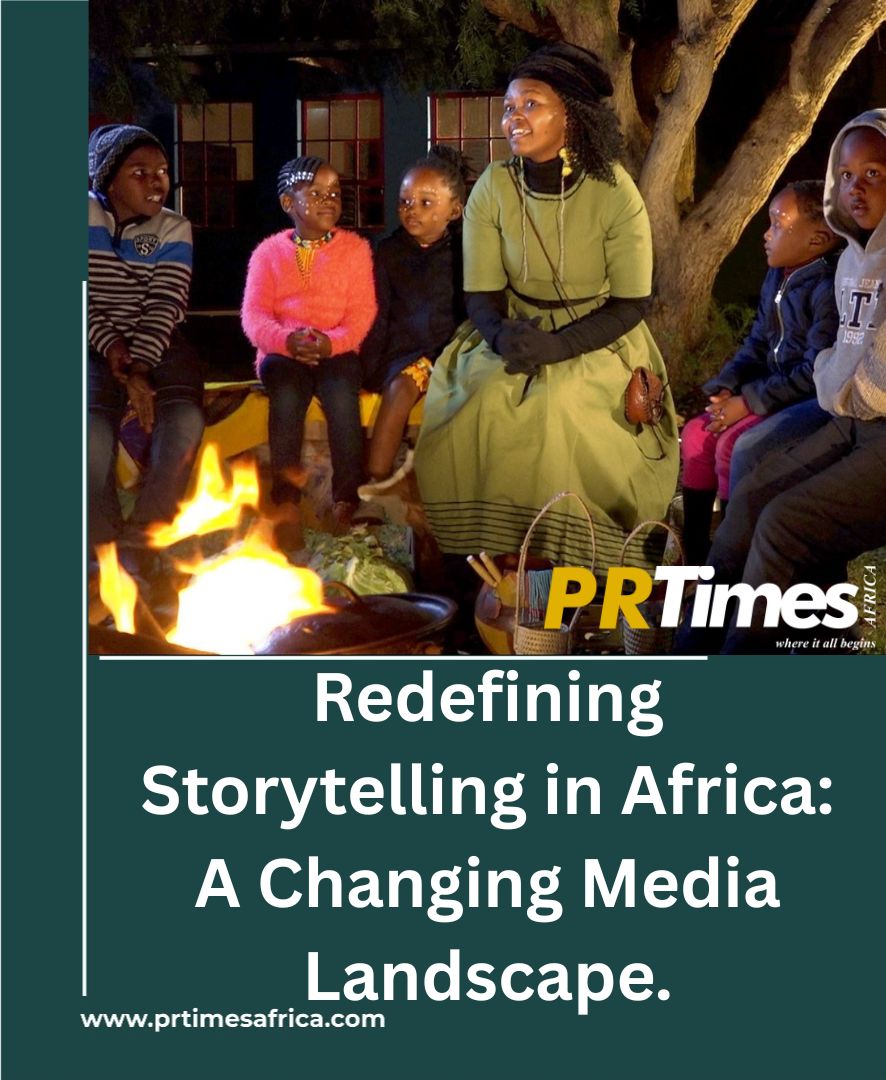
For centuries, African storytelling thrived through oral traditions—griots, folktales, music, cultural dances, and communal gatherings. Though powerful, these formats were limited by geography and access.
Today, digital platforms have expanded that tradition, allowing African stories to travel beyond borders and influence global conversations.
Hybrid Narratives
Modern African storytelling merges:
Oral heritage with podcasts and spoken-word poetry
Folklore with animated films and graphic novels
Historical retellings with virtual reality experiences
Music and dance with viral social media storytelling
This hybridization has created a new cultural renaissance.
- Technology as a Storytelling Catalyst
Rise of Social Media Storytelling
Platforms such as TikTok, Instagram Reels, X (Twitter), and YouTube have democratized storytelling, giving millions a voice. Africans are leveraging short-form videos, memes, and visual threads to build narratives that are fast, engaging, and globally relatable.
Mobile-First Consumption
Africa is a mobile-first continent. With affordable smartphones and growing internet penetration, young creators now reach massive audiences from remote villages to global cities.
Streaming Platforms & Content Boom
Netflix, Amazon Prime, Showmax, and local platforms are investing heavily in African stories. Nollywood, Ghallywood, and South African cinema are rising as global content powerhouses.
Emerging Technologies
AI is enhancing scriptwriting, translation, and content distribution.
VR & AR are changing immersion levels in tourism, education, and gaming narratives.
Blockchain & NFTs offer new ownership and monetization models for creators.
- Youth Culture as a Driving Force
Africa’s median age is 19.7—one of the youngest in the world. This youth population is shaping new storytelling norms defined by:
Bold creativity
Digital fluency
Disruptive thinking
Social justice consciousness
Cultural fusion (Afrobeats, Amapiano, fashion, sports, pop culture)
Young Africans are not waiting for traditional media—they are building their own channels, communities, and cultural footprints.
- Changing Media Consumption Patterns
Shift from Traditional to Digital-First Media
Audiences no longer rely on TV and newspapers alone. They prefer:
On-demand content
Podcast storytelling
Short, emotional, shareable narratives
Credible, fast news via digital platforms
Traditional media outlets are forced to innovate or fade out.
Rise of Citizen Journalism
Ordinary people now capture and break major stories on smartphones before newsrooms do. This has diversified voices but also challenged accuracy and credibility.
- Pan-African Identity and New Narrative Ownership
A key movement in modern African storytelling is the reclaiming of the African narrative.
For decades, stories about Africa were told from outside, often highlighting poverty, war, and political instability.
Today, Africans are telling their own stories—on their terms.
This includes:
Highlighting innovation, creativity, and resilience
Celebrating achievers and change-makers
Documenting local realities with authenticity
Challenging stereotypes in Western media
Exporting African culture and lifestyle globally
The shift from narrative dependency to narrative sovereignty is one of the most powerful transformations happening now.
- Impact of Storytelling on Business & Governance
Brand Storytelling
Businesses now win audiences through meaningful, human-centered stories, not just advertising.
African brands use storytelling to build trust, purpose, and emotional connection.
Government & Development Communication
Governments and NGOs are turning to digital storytelling to:
Drive policy awareness
Inspire civic engagement
Combat misinformation
Highlight development progress
Promote national identity and cohesion
The Creative Economy
With the rise of film, music, gaming, fashion, and digital content creation, storytelling has become a major economic driver across Africa.
- Challenges in the Changing Media Landscape
Even with progress, major challenges remain:
Misinformation and fake news
Lack of media literacy
Limited digital infrastructure in rural areas
Financial struggles for creators
Political censorship in some regions
Unequal access to global media platforms
- The Future of Storytelling in Africa
What Lies Ahead?
The next decade of African storytelling will be shaped by:
Creator-led media companies replacing traditional gatekeepers
AI-assisted content creation
Cross-border media collaborations
Increase in multilingual content
Expansion of the African diaspora audience
More women and youth in leadership roles in media
Global demand for African culture and entertainment
Africa is not just participating in global storytelling—it is becoming a global storytelling powerhouse.
Conclusion
The redefinition of storytelling in Africa is more than a media shift—it is a cultural, economic, and generational transformation. As technology evolves and Africa’s creative energy continues to rise, the continent’s narrative power will only grow stronger.
African storytellers today are shaping identity, challenging perceptions, elevating local realities, and forging new pathways for global influence.
The story of Africa is no longer being told—Africa is telling it, and the world is listening.