Author: prtimesafrica

  • Phupho Gumede: The Art, the Journey, and the Lessons Behind the Looks.

    Phupho Gumede: The Art, the Journey, and the Lessons Behind the Looks.

    Phupho Gumede: The Art, the Journey, and the Lessons Behind the Looks.

    By Keziah Biya
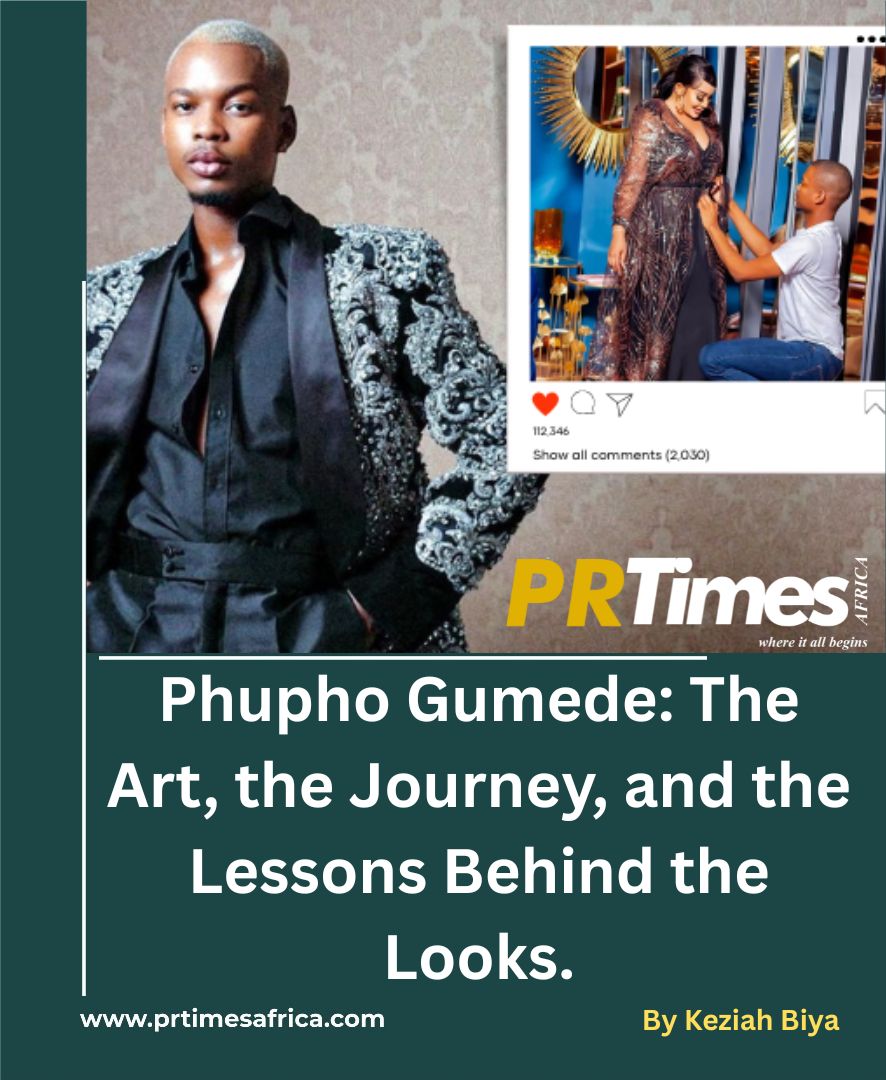
    When you think of style that tells a story  that blend of confidence, culture, and creative risk — the name Phupho Gumede naturally comes to mind. Over the past few years, Gumede has become one of South Africa’s most celebrated celebrity stylists, known not just for dressing stars, but for defining what it means to wear confidence.
    But behind the glamour, there’s a story of determination, lessons, and growth — one that Gumede now reflects on with both gratitude and pride.
    “I started out with a dream and a vision,” he shares thoughtfully. “I didn’t have the resources or network that many stylists today are fortunate to have. But I had passion — and I believed that fashion could be a form of storytelling.”
    From the red carpets of major award shows to the covers of glossy magazines, Gumede’s work has become instantly recognizable. His style approach — bold, structured, and unapologetically expressive — often draws inspiration from African heritage while embracing contemporary design elements. “For me, fashion is cultural communication,” he explains. “Every look should have a voice, a message, a heartbeat.”
    Yet, his journey was far from effortless. Like many creative professionals, Gumede faced challenges breaking into an industry known for its competitiveness and exclusivity. “There were times I questioned myself,” he admits. “But I learned that authenticity is your greatest asset. When you stay true to who you are, the right people and opportunities will align.”
    Those lessons have shaped his philosophy today — one centered on purpose, mentorship, and empowerment. Gumede has become a voice for young stylists trying to find their footing, encouraging them to embrace their individuality rather than chasing trends. “We live in a world that celebrates sameness,” he says. “But real impact comes from being different — from showing the world your own version of beauty.”
    Looking back, Gumede says each milestone — from his first major client to his most high-profile shoots — has been part of a bigger journey of self-discovery. “Fashion opened doors for me,” he reflects. “But it also taught me discipline, humility, and patience. Every setback prepared me for something greater.”
    As he looks to the future, Gumede hints at new ventures that blend fashion, storytelling, and mentorship — projects designed to inspire and nurture emerging talent across Africa. His goal? To continue using his platform to celebrate creativity in all its forms.
    “Every piece I style, every person I work with — it’s a reflection of love for the craft,” Gumede says with a smile. “If my journey teaches anything, it’s that purpose will always take you where passion begins.”
  • Ayra Starr, Tyla, Burna Boy & More Nominated for the 2026 Grammy Awards

    Ayra Starr, Tyla, Burna Boy & More Nominated for the 2026 Grammy Awards

    Ayra Starr, Tyla, Burna Boy & More Nominated for the 2026 Grammy Awards


    Los Angeles, CA – The Recording Academy has officially announced the nominees for the 2026 Grammy Awards, celebrating excellence in global music. Among the most talked-about names are Ayra Starr, Tyla, and Burna Boy, who continue to showcase the global rise and influence of African music on the world stage.

    The nominations, unveiled earlier today in Los Angeles, highlight the growing dominance of Afrobeats, Amapiano, and African pop in international music. Nigerian stars Ayra Starr and Burna Boy secured multiple nominations across major categories, while South African sensation Tyla earned nods following her international breakthrough year.

    Ayra Starr, who has had an impressive year with chart-topping singles and international tours, earned nominations for Best Global Music Performance and Best African Music Album for her sophomore project “The Year I Turned 21.”

     “It’s such an honor to be recognized alongside so many incredible artists,” said Ayra Starr. “This nomination means so much—not just to me, but to every young African girl chasing her dreams.”

    Tyla, the South African pop and R&B powerhouse behind the global hit “Water,” continues her winning streak with nominations for Best New Artist and Record of the Year.

    “This is beyond my wildest dreams,” Tyla said in an interview after the announcement. “I’m proud to represent Africa at such a massive platform. It’s proof that our sound has no boundaries.”

    Burna Boy, a Grammy winner and one of Africa’s most influential artists, returned with nominations for Album of the Year, Best Global Music Album, and Best African Music Performance. His latest album “I Told Them…” has been praised for blending Afro-fusion with hip-hop and reggae influences.

    Other notable African nominees include Tems, recognized for her collaboration on “Free Mind,” and Davido, who continues to expand his global footprint after last year’s Grammy nods.

    The inclusion of the Best African Music Performance category, introduced in 2024, has further cemented the Grammy Awards’ commitment to recognizing diverse global sounds. The Recording Academy emphasized that African artists have played a significant role in shaping contemporary world music, inspiring a new wave of international collaborations.

    “This year’s nominations reflect the global reach and cultural impact of African music,” said Harvey Mason Jr., CEO of the Recording Academy. “We’re proud to see artists from across the continent sharing their stories and rhythms with the world.”

    The 66th Annual Grammy Awards will take place on February 8, 2026, at the Crypto.com Arena in Los Angeles, and will be broadcast live worldwide. Fans and industry professionals alike are eagerly anticipating what promises to be one of the most diverse and globally representative Grammy ceremonies in history.

  • Africa: A Just Transition is a Talent Transition

    Africa: A Just Transition is a Talent Transition

    Africa: A Just Transition is a Talent Transition
    New report underscores skills as the cornerstone of equitable green growth across the continent


    CAPE TOWN, South Africa 7 November 2025 – A just energy transition in Africa will succeed or fail on the continent’s ability to rapidly build a skilled workforce capable of delivering renewable energy at scale, according to a major new analysis released today. The Project Management Institute (PMI), in its 2025–2035 Talent Gap Report, projects that Sub-Saharan Africa will need 1.6 to 2.1 million additional project professionals by 2035 to execute solar, wind, and grid modernization initiatives—a 75% increase over current capacity.


    “A just transition is fundamentally a talent transition,” the report states. “Without deliberate investment in human capital, billions in green infrastructure will remain undelivered or underperforming.”


    Bridging the Skills: Divide South Africa, which generates over 80% of its electricity from coal, faces the most acute challenge. Nearly 100,000 workers in mining and power generation risk displacement, while renewable energy projects demand expertise in engineering, digital project management, and sustainable procurement—skills currently in short supply. Yet the opportunity is substantial. The International Renewable Energy Agency (IRENA) estimates that Africa’s green economy could create 3.3 million jobs by 2030, with 4 million in renewable energy alone. Currently, only 13% of the workforce possesses green-ready competencies.


    On-the-Ground Progress

    • South Africa’s Just Energy Transition Investment Plan (JET-IP), supported by $8.5 billion in international commitments, is piloting retraining programs in Mpumalanga, transitioning coal workers into solar installation, wind turbine maintenance, and green hydrogen roles.
    • Ethiopia has trained technical and vocational education instructors in climate-smart agriculture and renewable energy systems.
    • Zambia is equipping youth with certifications as solar technicians through public-private partnerships.

    The European Union has committed €12 billion under its Global Gateway initiative to support clean energy and skills development in South Africa.


    Equity and Inclusion at the Core Women and youth—key demographics in agriculture and informal sectors—stand to benefit most. Solar-powered cold chains, for example, can formalize and dignify agricultural work while reducing post-harvest losses. Research from the University of Cape Town shows that comprehensive reskilling and social protection for displaced workers would cost just 2.7% of South Africa’s annual welfare budget.


    A Unified Call Ahead of COP30: As nations prepare for COP30 in Brazil, African leaders are advocating for $1.3 trillion in annual climate finance, primarily in grants, to fund both infrastructure and human capital.

    “The green transition must be a ladder of opportunity, not a trap of inequality,” said a South African government spokesperson.

    Trade unions, including Industrial, emphasize the need for decent wages, union rights, and local value addition in critical minerals processing.


    Path Forward: By embedding PMI-aligned curricula in universities, expanding vocational training, and leveraging international partnerships, Africa can transform its demographic dividend into a global competitive advantage. The message is clear: solar panels and wind turbines are only half the solution. The other half is the talent to build, operate, and sustain them.


    Source: Project Management Institute (PMI) 2025–2035 Talent Gap Report; International Renewable Energy Agency (IRENA); University of Cape Town; South African Just Energy Transition Investment Plan (JET-IP).


  • Egypt Opens Grand Egyptian Museum Near the Pyramids of Giza

    Egypt Opens Grand Egyptian Museum Near the Pyramids of Giza

    Egypt Opens Grand Egyptian Museum Near the Pyramids of Giza

    Egypt inaugurated the Grand Egyptian Museum (GEM) adjacent to the Great Pyramid of Khufu in Giza on Thursday, establishing the world’s largest archaeological museum and a landmark achievement in cultural preservation. The facility, built to international standards, displays around 100,000 artifacts spanning seven millennia, from predynastic eras through Greek and Roman times, and is poised to become a premier destination for global visitors exploring Egypt’s ancient heritage. Authorities project up to eight million annual visitors, delivering a major lift to the country’s cultural tourism sector. In related developments, the Netherlands confirmed it will repatriate a 3,500-year-old Egyptian sculpture, deemed looted during the 2011–2012 Arab Spring unrest.
  • Eroding Confidence: Why African Citizens Struggle to Trust Election Results

    Eroding Confidence: Why African Citizens Struggle to Trust Election Results

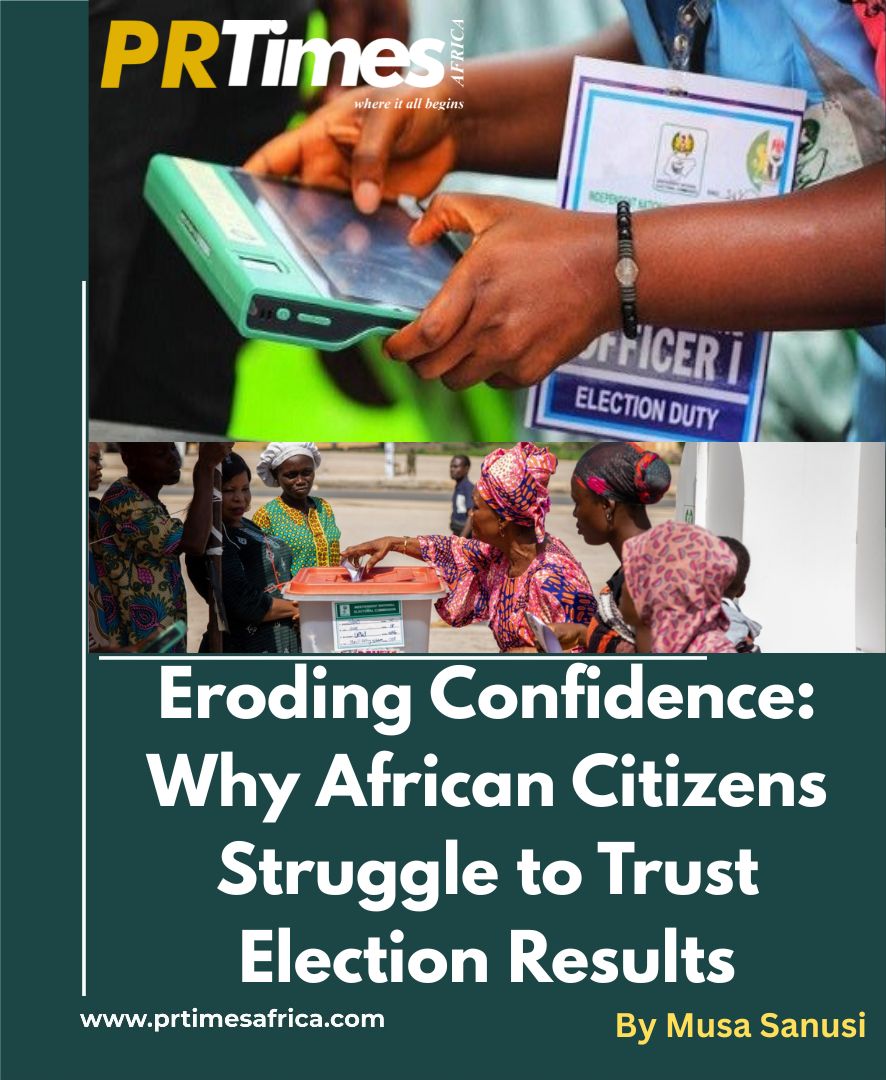
    Eroding Confidence: Why African Citizens Struggle to Trust Election Results

    Across the African continent, elections have long symbolized hope, a ritual of renewal and democratic
    expression. Yet, for millions of citizens, that hope increasingly feels hollow. From Tanzania to Nigeria,
    Kenya to Zimbabwe, skepticism toward election results is deepening. Trust in electoral integrity, the
    cornerstone of democracy, is eroding at an alarming rate.

    The Trust Deficit

    The roots of distrust are complex, but they converge on one theme: a perception that the process is
    manipulated long before ballots are even cast.
    Pre-election periods are often marked by uneven playing fields, ruling parties dominate media coverage,
    state resources are leveraged for campaign advantage, and opposition figures face intimidation or legal
    hurdles. When citizens witness this imbalance, they naturally doubt the fairness of what follows.

    In the digital age, transparency should, in theory, be easier. But in many African states, information
    blackouts, cyber manipulation, and disinformation campaigns have replaced old-fashioned ballot box
    stuffing as tools of control. When internet shutdowns accompany elections, as seen recently in Tanzania
    and the DRC, voters receive a clear signal: “We don’t want you to see what’s happening.”

    Institutions Under Pressure

    At the heart of every credible election lies an independent electoral body. Unfortunately, many of
    Africa’s commissions are perceived as extensions of the state rather than impartial referees. Their
    credibility suffers from opaque vote counting, slow result announcements, and inconsistent
    communication strategies.

    For example, in Nigeria’s 2023 general election, delays in electronic transmission of results undermined
    public confidence. Similar controversies in Kenya (2017) and Zimbabwe (2023) left lasting scars on voter

    faith. Once citizens lose confidence in the referee, even legitimate outcomes are seen through a lens of
    suspicion.

    The Role of Communication, and Miscommunication

    Elections are as much about communication as they are about counting votes. Yet many electoral
    commissions and governments fail to manage the narrative of transparency. Poor crisis communication,
    lack of real-time updates, and defensive messaging fuel speculation.
    In contrast, when communication is clear, consistent, and verified by trusted third parties (civil society,
    media, or observers), it strengthens legitimacy, even in contentious outcomes.

    The growing trust gap is also amplified by social media disinformation, where fabricated results,
    deepfakes, and conspiracy narratives spread faster than official statements. In many cases, governments
    respond not with transparency, but with censorship, further eroding trust.

    Citizens Want Accountability, Not Perfection

    Africans are not disillusioned because elections are imperfect; they are disillusioned because
    imperfections are tolerated without accountability. When irregularities go unpunished, when courts
    appear biased, and when losing candidates are silenced rather than heard, faith in democracy
    deteriorates.

    The Way Forward

    Rebuilding trust requires more than international observers and donor funding. It demands a new
    communication culture around elections, one grounded in openness, dialogue, and accountability.
    Electoral commissions must treat citizens as stakeholders, not spectators. Governments must allow
    media freedom, encourage civic education, and respect digital transparency. And public relations
    professionals, both in government and civil society, have a duty to shape narratives rooted in facts, not
    propaganda.

    Only when citizens believe that their voices genuinely count will elections reclaim their power as
    instruments of legitimacy rather than triggers of doubt.

    Key Takeaway for Communicators

    In the age of real-time information and deep-seated skepticism, credibility is the new currency.
    For Africa’s democracies to mature, effective communication and transparent storytelling must
    accompany electoral reform. Trust, once lost, can only be rebuilt through consistent honesty and
    openness.

  • Afrobeat or Amapiano: Africa’s Beat, the World’s Profit?

    Afrobeat or Amapiano: Africa’s Beat, the World’s Profit?

    Afrobeat or Amapiano: Africa’s Beat, the World’s Profit?

    By Musa Sunusi Ahmad

    The world is dancing to Africa’s rhythm. From Burna Boy’s sold-out stadiums to Tyla’s Amapiano-fused global hits, the continent’s sound has become the new language of pop culture. But beneath the vibrant music videos and record-breaking streams lies a pressing question for Africa’s creative economy: Is the continent truly benefiting from its cultural export, or is the West profiting more from Africa’s groove?

    Africa’s music revolution is doing more than moving bodies—it’s creating jobs. The Afrobeat and Amapiano industries have sparked a wave of opportunities across the continent, from producers and sound engineers to videographers, stylists, social media managers, and PR specialists. According to the IFPI Global Music Report (2024), Sub-Saharan Africa’s music revenue grew by 24% last year, driven largely by these two genres. Music is no longer just entertainment; it’s employment, entrepreneurship, and empowerment.

    The streaming era has amplified that growth. Platforms like Spotify, Boomplay, and YouTube have turned local hits into global phenomena. Yet, monetization tells a more complex story. While African artists gain international fame, the financial pipelines remain largely Western-controlled. A 2023 PwC Nigeria report estimates that less than 30 cents of every dollar generated from an Afrobeat stream stays within Africa’s economy. The platforms, publishing companies, and major labels, all headquartered abroad, collect the bigger slice of the profits.

    Global brands have also joined the party. From Coca-Cola’s Afrobeat-themed campaigns to Adidas-sponsored Amapiano events, multinational corporations are eager to associate with Africa’s vibrant creativity. But in most cases, the value chain still tilts westward. While the artists’ faces and voices represent Africa, the agencies, production companies, and media rights holders often sit in London, Los Angeles, or New York. Africa contributes the soul, but too often, others cash the cheque.

    That imbalance underscores the critical role of communications and PR. The way African music is branded, packaged, and promoted can determine who controls the narrative—and who earns from it. Campaigns like Burna Boy’s African Giant or Tyla’s polished minimalist branding show the power of strategic storytelling in positioning African artistry as both authentic and aspirational. Communications professionals are not just publicists, they’re economic gatekeepers, shaping how Africa’s cultural assets translate into tangible returns.

    At the same time, homegrown initiatives are emerging to reclaim control. African-owned streaming services, local event promoters, and music-tech startups are building new pathways to keep revenue within the continent. Governments are beginning to recognize the creative industry as a viable sector, offering grants, IP protections, and export incentives. The goal is no longer just to share Africa’s sound with the world, but to ensure that the wealth generated by that sound circulates within Africa’s borders.


    Still, the challenge of ownership remains. For every viral hit or Grammy nomination, there’s a reminder that infrastructure dictates income. True empowerment will come not only from creative talent but from owning the platforms, publishing rights, and partnerships that monetize that talent. Africa has already conquered the global stage artistically; the next victory must be economic.

    Afrobeat and Amapiano have proven that Africa no longer needs validation, the world already listens. The question now is whether the continent can turn global applause into sustainable prosperity. Because when the world dances to Africa’s rhythm, the beat of economic benefit should echo just as loudly across African cities as it does in Western boardrooms.

  • Fifteen Voices, One Legacy: How Lagos Fashion Week Shaped Africa’s Creative Vanguard

    Fifteen Voices, One Legacy: How Lagos Fashion Week Shaped Africa’s Creative Vanguard

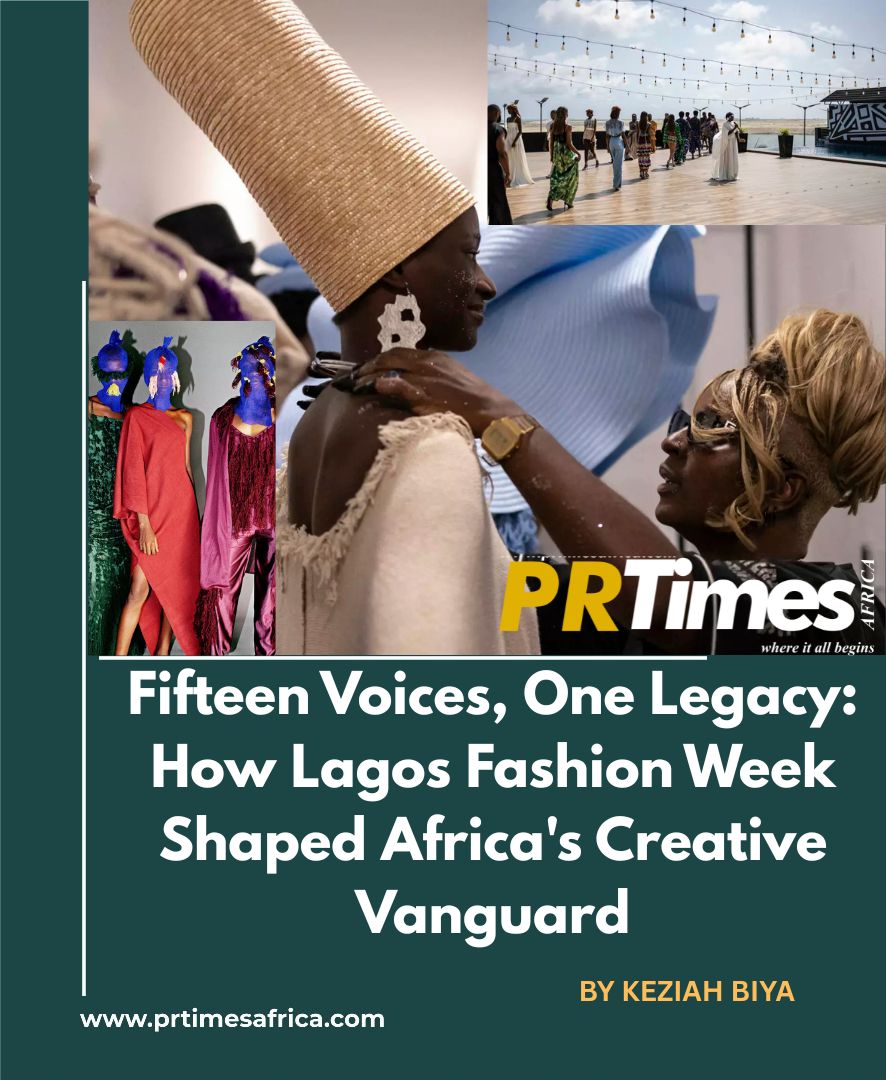
    Fifteen Voices, One Legacy: How Lagos Fashion Week Shaped Africa’s Creative Vanguard


    LAGOS, Nigeria (AP) — As runway lights dim on the 15th edition of Lagos Fashion Week (LFW), a chorus of 15 industry insiders — designers, stylists, photographers, models and producers — reveal the pivotal moments that turned Africa’s largest fashion platform into the launch pad for their global careers. Published November 5, 2025The four-day spectacle, which closed November 1 under the theme “In Full Bloom,” drew 12,000 attendees and showcased 60-plus labels from Nigeria, Senegal, Ghana and beyond. Yet for the creative’s who spoke to OkayAfrica, LFW’s true impact lies not in the glamour but in the mentorship, chaos and community that transformed raw talent into household names.


    From First Steps to Front Row Casting director Tami Makinde recalls the frenetic backstage energy of Orange Culture’s SS24 presentation: “The chaos that somehow becomes magic once the lights hit the runway — that’s LFW. It celebrates everyone, not just the designer.”Photographer Kelechi Opara, who shot his first designer at LFW a decade ago, still marvels at watching behind-the-scenes concepts explode into full runway narratives. “Collaboration, creativity, community — that’s the DNA,” he says. Stylist Dimeji Alara credits LFW for his leap from local editor to international consultant, citing Lisa Folawiyo’s jewel-toned collections as the moment Nigerian luxury went global Sustainability as Super power LFW’s Green Access programme, now in its seventh year, earned the event a finalist spot in Prince William’s 2025 Earth shot Prize for waste-free innovation.


    Emerging winner Kadiju up cycled indigo adire scraps into couture, while Omolabake Temetan wove discarded shoelaces into sculptural gowns — proof that African reuse traditions can power a £1 billion circular economy.Global Ripple Effects

    • Iamisigo founder Bubu Ogisi debuted raffia fringe coats in 2011; last month she accepted Copenhagen Fashion Week’s Zalando Visionary Award.
    • Orange Culture’s Adebayo Oke-Lawal turned sheer agbada into gender-fluid statements that now dress Burna Boy and Beyoncé’s stylists.
    • Former LFW rookie Kenneth Ize dressed Kamala Harris in hand-woven aso-oke during the 2024 U.S. election cycle.

    What the Next 15 Years Hold Founder Omoyemi Akerele, named Nigeria’s Zero-Oil Ambassador in 2021, told reporters: “We’re moving beyond aesthetics into influence — policy, investment, planetary impact.” With £500 million in government grants already deployed and Earth shot funding on the horizon, LFW is positioning Lagos as the sustainable fashion capital rivaling Paris and Milan. The 15 Voices (partial roll-call)

    1. Tami Makinde – Casting Director
    2. Kelechi Opara – Photographer
    3. Dimeji Alara – Stylist
    4. Bubu Ogisi – Designer, Iamisigo
    5. Adebayo Oke-Lawal – Designer, Orange Culture
      6–15. Models, publicists and producers (full testimonies at OkayAfrica.com)

    As the final model exits and generators hum into the Lagos night, one truth resonates: fifteen years ago these creative’s were sketching in notebooks; today they’re redrawing the world map of style.— With reporting from Okay Africa and Vogue
    Word count: 520
    Dateline: Lagos
    Byline: Global Fashion Desk


  • Strategic Endorsement: Sahrawi Elders Back UN Resolution and Moroccan Sovereignty

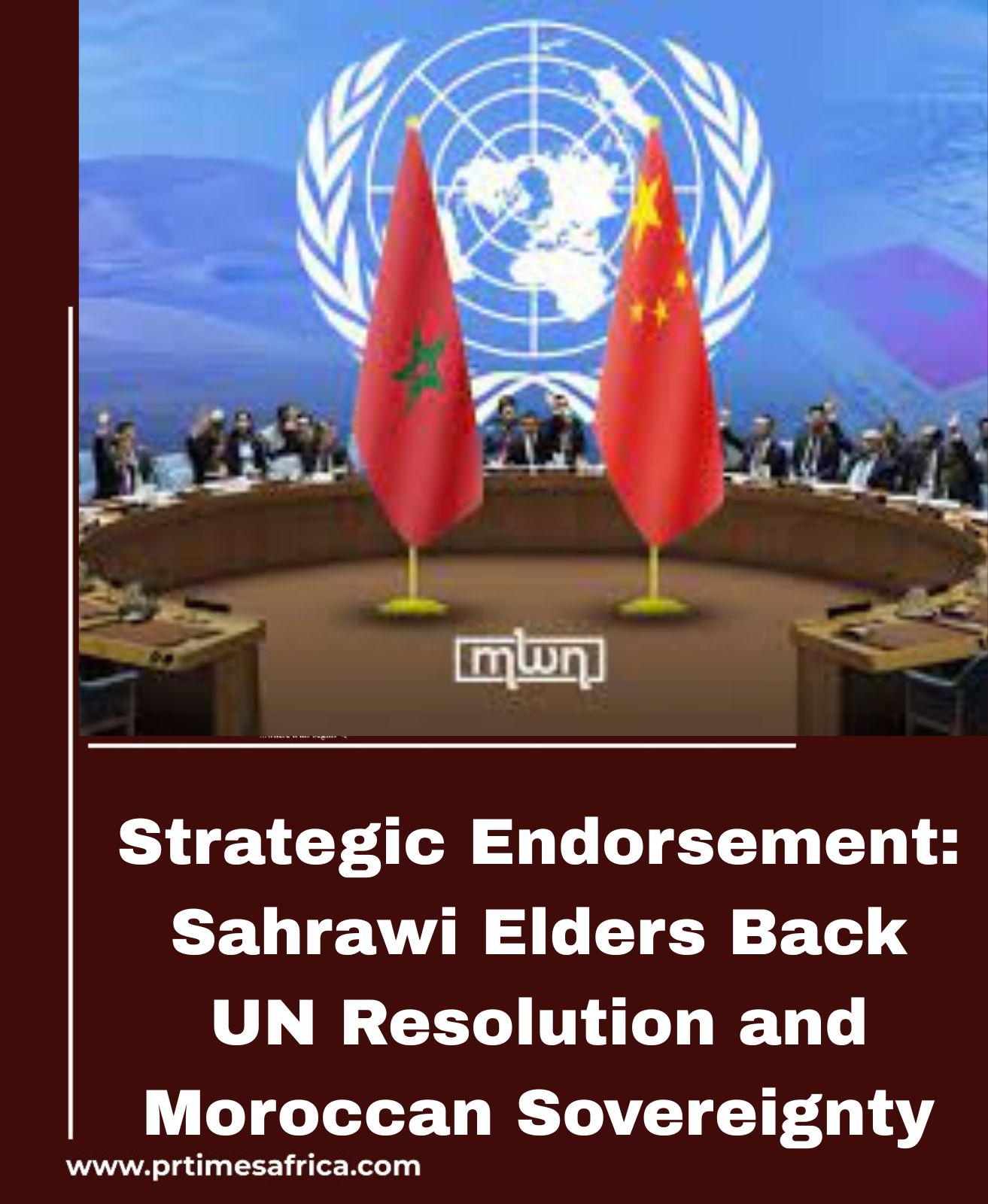
    Strategic Endorsement: Sahrawi Elders Back UN Resolution and Moroccan Sovereignty

    Strategic Endorsement: Sahrawi Elders Back UN Resolution and Moroccan Sovereignty

    By Musa Sunusi Ahmad

    In the ever-evolving landscape of geopolitical communications, few moments capture the power of

    strategic alignment like the recent declaration by Sahrawi tribal elders in Laayoune. Their public

    endorsement of United Nations Security Council Resolution 2797, described as “a historic victory”, not

    only reinforces Morocco’s sovereignty over its southern provinces but also exemplifies how traditional

    leadership can be mobilized to amplify national narratives.

    Issued by the Council of traditional sheikhs responsible for identity verification in the Laayoune-Sakia El

    Hamra region, the statement praised King Mohammed VI’s “wise and resolute” leadership and framed

    the UN resolution as “a turning point” in the Sahara dispute. But beneath the surface of diplomacy lies a

    sophisticated communications strategy, one that leverages cultural credibility, visual symbolism, and

    stakeholder engagement to project unity and legitimacy.

    Messaging That Resonates: A Strategic Communications Breakdown

    The language used by the Sahrawi elders was deliberate and aligned with Morocco’s diplomatic tone. By

    echoing phrases like “historic victory” and “outstretched-hand policy,” the elders reinforced a message

    of peaceful cooperation and regional stability. This wasn’t mere rhetoric, it was a calculated move

    designed to resonate with both domestic and international audiences.

    For PR professionals, this moment offers a textbook example of narrative synchronization. The

    Moroccan state’s messaging was mirrored by respected tribal voices, creating a multi-layered

    communications echo that strengthens the legitimacy of the Autonomy Initiative. It’s a reminder that

    effective messaging isn’t just about what is said, it’s about who says it, how it’s framed, and where it’s

    delivered.

    Stakeholder Engagement: Mobilizing Cultural Authority

    The Council of sheikhs represents more than tradition, it embodies trust, continuity, and community

    leadership. Their endorsement wasn’t spontaneous; it was the result of strategic engagement. By

    involving tribal elders in the diplomatic conversation, Morocco demonstrated a deep understanding of

    stakeholder amplification, the practice of empowering credible voices to reinforce key messages.

    This approach is especially powerful in regions where identity and heritage shape public perception.

    Involving traditional leaders not only strengthens internal cohesion but also projects a unified front to

    the global community. It’s a model of engagement that PR professionals can learn from: build alliances

    with culturally rooted stakeholders to enhance message authenticity and reach.


    The Power of Visual Diplomacy


    Images matter. The visual of Sahrawi elders seated around a formal conference table, issuing a unified

    statement, sends a powerful cue: stability, consensus, and continuity. In high-stakes diplomacy, the

    messenger often carries as much weight as the message.

    This moment underscores the importance of visual storytelling in strategic communications. The setting,

    attire, and composition of the elders’ gathering conveyed legitimacy and seriousness. It’s a reminder

    that in the digital age, every image is a narrative opportunity, and every public gesture is a chance to

    reinforce strategic messaging.

    Cultural Diplomacy in Practice

    Morocco’s “outstretched-hand” policy is more than a diplomatic slogan, it’s a communications

    framework. By positioning the UN resolution as a gateway to cooperation and good neighborliness, the

    Sahrawi elders helped translate policy into public sentiment. Their declaration bridges the gap between

    international diplomacy and local affirmation, showing how cultural diplomacy can be used to build

    consensus and foster regional stability.

    This is a model worth studying. In a world where geopolitical tensions often hinge on identity and

    history, Morocco’s use of traditional leadership as a communications asset offers a blueprint for other

    nations navigating complex sovereignty disputes.

    The Sahrawi elders’ endorsement of Resolution 2797 is more than a political statement, it’s a strategic

    communications triumph. It demonstrates how traditional voices, when engaged thoughtfully, can

    amplify national narratives and reinforce diplomatic messaging.

    For PR and communications professionals, the key lessons are clear:

    – Leverage cultural credibility to enhance message authenticity

    – Align messaging across levels, from grassroots to global

    – Use symbolism and visual cues to reinforce legitimacy

    – Engage traditional stakeholders to build trust and consensus

    As Morocco continues to navigate the complexities of regional diplomacy, this moment stands as a

    powerful example of how communications strategy can shape perception, build alliances, and influence

    outcomes.

  • Untitled post 4100

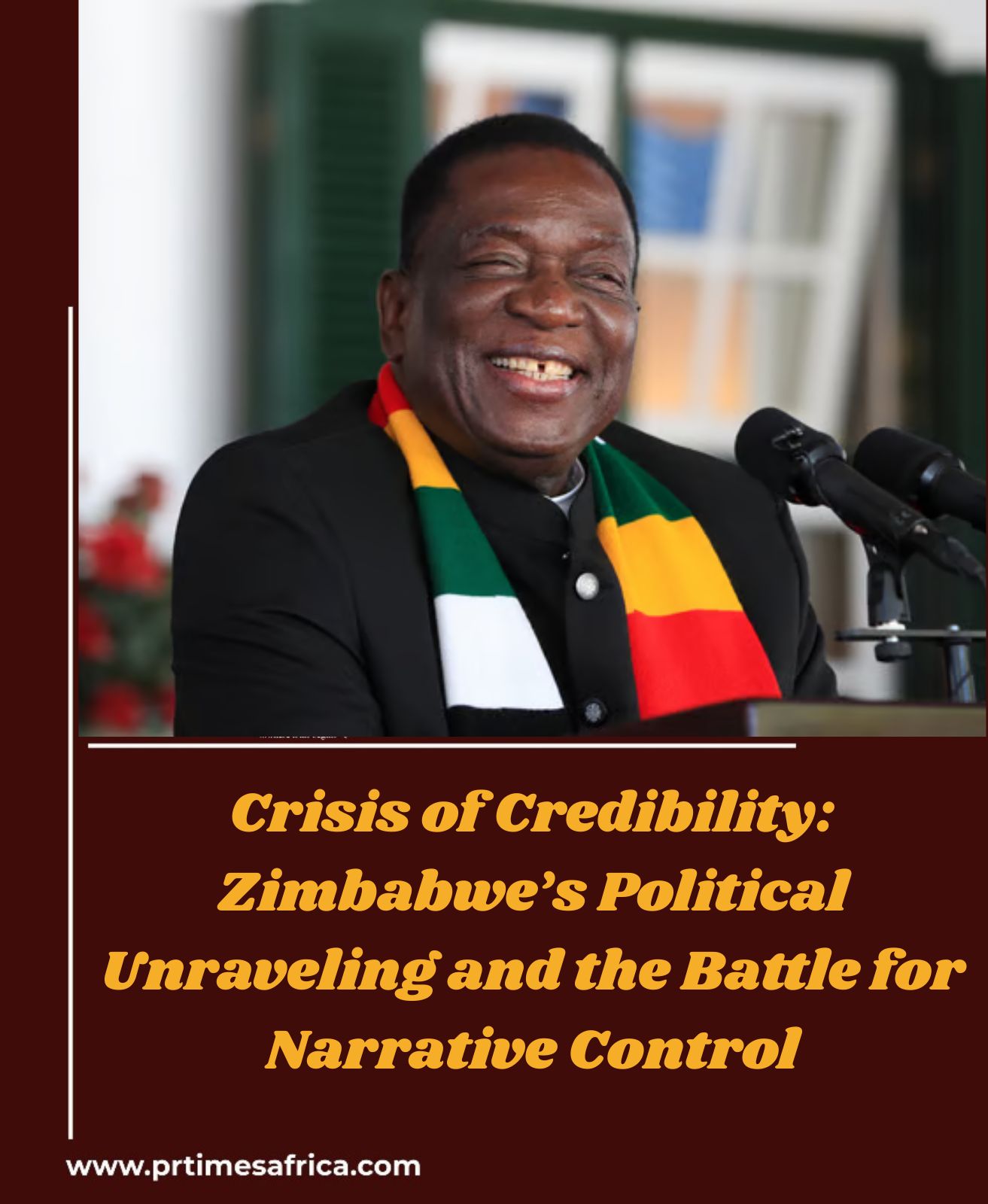
    Crisis of Credibility: Zimbabwe’s Political Unraveling and the Battle for Narrative Control

    By Musa Sunusi Ahmad:

    Zimbabwe is once again making headlines, and not the kind any communications professional wants. In the first half of 2025, the southern African nation descended into a swirl of political infighting, public distrust, and messaging chaos. The ruling Zimbabwe African National Union-Patriotic Front (ZANU-PF), long the dominant force in national politics, is now fighting on multiple fronts: internally over succession, externally for legitimacy, and publicly for narrative control.

    For communicators, it’s a sobering case study in what happens when reputation, power, and messaging collide.

    A Familiar Crisis with a New Script

    President Emmerson Mnangagwa came to power in 2017 promising a “new dawn.” Eight years later, that promise is dimmed by economic stagnation, civil unrest, and accusations that he plans to overstay his constitutional term.

    In March 2025, reports surfaced of plans to amend the constitution — a move critics called a “soft coup.” Protests were planned. The government responded with a heavy security presence, and streets across Harare and Bulawayo fell silent as citizens chose a stay-away instead of a showdown.

    It wasn’t just political theatre. It was a communications breakdown, a demonstration of how silence itself can become a form of protest.

    When Internal Fissures Go Public

    ZANU-PF’s annual conference in Mutare revealed deep divisions. Party insiders leaked information to journalists about leadership struggles, while state media painted a picture of unity and “economic transformation.”

    For communicators, it was a masterclass in mixed messaging. When internal communications disintegrate, external credibility collapses too. Each faction, from the war veterans to the youth league, seemed to have its own narrative, leaving the public wondering who, if anyone, speaks for the government.

    “Once the cracks inside your organization become the story,” says Harare-based PR consultant Nyasha Moyo, “you’ve already lost control of your brand.”

    The Narrative War

    In today’s Zimbabwe, control of the story is as contested as control of the state.

    State broadcasters continue to push the official line, stability, reform, growth, but social media tells a different story: one of fear, fatigue, and disillusionment. Independent journalists and diaspora bloggers are shaping the global perception of the crisis far faster than government press briefings can keep up.

    The result? Competing narratives that erode trust across all sides. Citizens don’t believe the government. The government doesn’t trust the press. And international audiences struggle to separate fact from spin.

    The PR Lessons Hidden in the Chaos

    The Zimbabwean crisis isn’t just a political drama, it’s a communications cautionary tale.

    1. Authenticity can’t be staged.

    When promises of reform meet persistent hardship, no slogan or press release can mask the disconnect. Public trust is a currency that, once spent, is almost impossible to recover.

    1. Silence communicates too.

    The March “stay-away” showed that citizens are no longer shouting to be heard, they’re choosing silence as resistance. In PR terms, disengagement is the loudest possible feedback.

    1. Internal alignment is non-negotiable.

    When ZANU-PF officials publicly contradict one another, the effect mirrors what happens in a corporation facing scandal: confusion breeds cynicism. A fragmented message implies a fragmented mission.

    1. Control the frame, not the facts.

    Good communications strategy doesn’t deny reality, it contextualizes it. But in Harare, officials often frame dissent as “sabotage,” rather than engagement. That might secure loyalty in the short term, but it fuels alienation in the long run.

    1. Crisis planning is a survival tool.

    Political and corporate communicators alike should take note: waiting for the next crisis before preparing a message is a guarantee of failure. Zimbabwe’s crisis shows the danger of reactive rather than strategic communication.

    The Bigger Picture: Beyond Politics

    The implications stretch far beyond Zimbabwe’s borders. For regional organizations like SADC and the African Union, and for foreign investors, credibility hinges not just on policy but on perception.

    In an era where tweets travel faster than press statements, governments and corporations share the same vulnerability: reputation risk. The lesson from Harare’s turmoil is clear, lose control of your message, and you lose control of your mandate.

    As Zimbabwe approaches the 2028 election cycle, the story isn’t just about who holds power, but who holds trust. In politics, as in public relations, perception is everything, and rebuilding it takes more than words.

    Until the gap between official narratives and citizens’ realities narrows, every policy announcement will read like a press release no one believes.

    For communicators, Zimbabwe’s unfolding drama is more than a political saga, it’s a reminder that in the court of public opinion, credibility remains the only true currency.

  • Nigeria & Donald Trump’s “Christian-Killing” Rhetoric: PR, Perception, and Geopolitics

    Nigeria & Donald Trump’s “Christian-Killing” Rhetoric: PR, Perception, and Geopolitics

    Nigeria & Donald Trump’s “Christian-Killing” Rhetoric: PR, Perception, and Geopolitics

    By Musa Sunusi Ahmad:

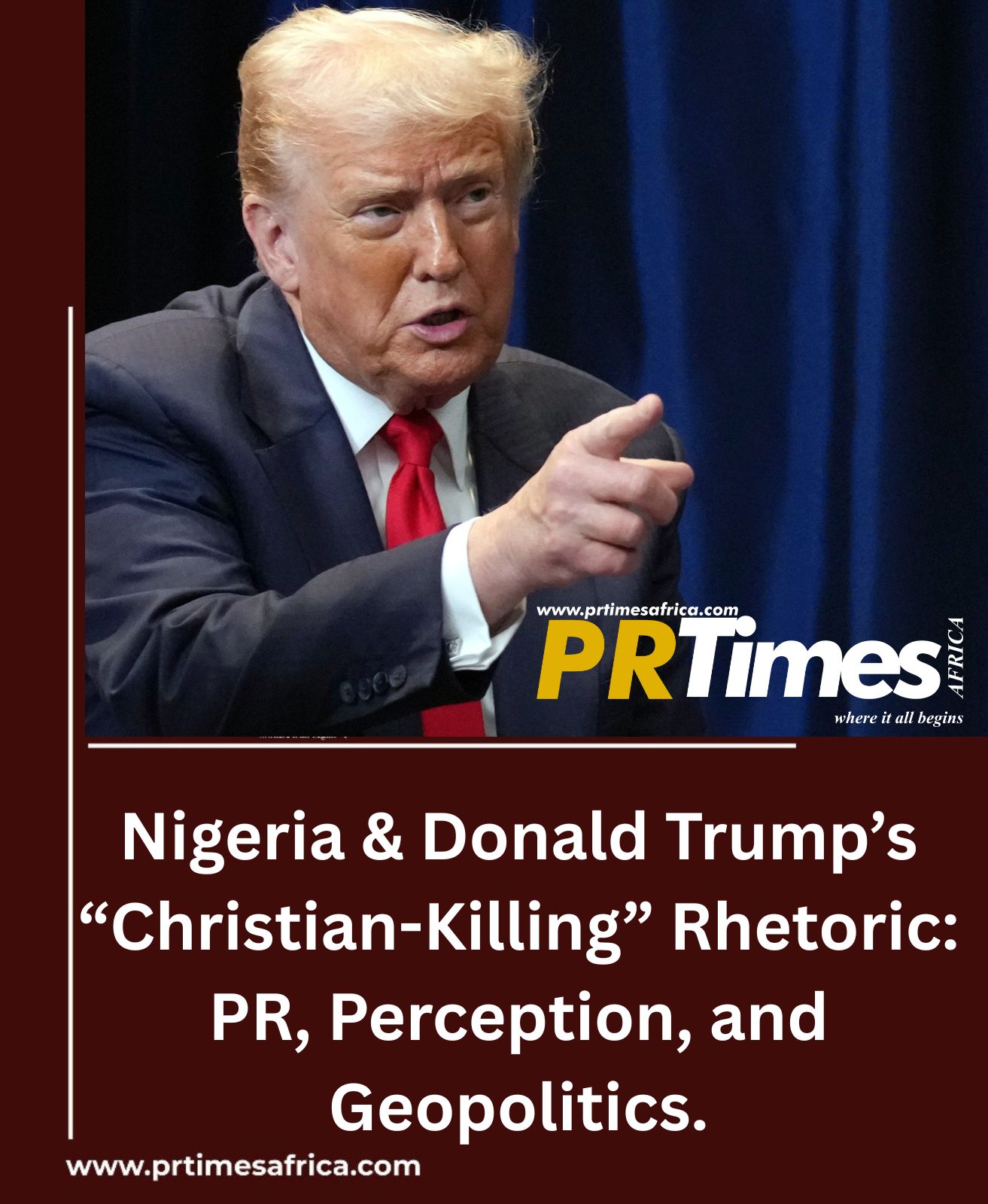
    In November 2025, Donald J. Trump made global headlines by claiming that Christianity in Nigeria faced an “existential threat” and hinting that the United States might intervene militarily if the Nigerian government failed to act. His dramatic social media posts warned that the U.S. could go into the country “guns‑a‑blazing” to wipe out Islamist terrorists. For PR and communications professionals, it was a striking example of high-stakes messaging designed to capture attention and shape perception.


    Trump’s rhetoric relied on clear framing and audience targeting. By emphasizing Christian persecution, he cast himself as the global defender of a beleaguered religious community. His messaging also shifted the narrative from general security challenges in Nigeria to a moral crisis demanding urgent action. The use of threats, including potential aid suspension and military intervention, amplified the drama and reinforced his strongman persona to domestic and international audiences.

    Nigeria responded quickly, rejecting the framing. The presidency emphasized that labeling the country as religiously intolerant “does not reflect our national reality,” while also stating that U.S. assistance in fighting insurgents would be welcome, so long as it respected Nigeria’s sovereignty. For Nigerian communications teams, the challenge was clear: defend the country’s reputation, address legitimate security concerns, and maintain internal cohesion among diverse religious communities.

    The reality on the ground, however, is far more nuanced. Violence in Nigeria stems from insurgency, ethnic and communal clashes, and resource disputes. While Christian communities have been victims, Muslims have also suffered attacks. Framing the conflict solely as Christian persecution oversimplifies a complex, multi-causal security landscape, and risks undermining credibility if challenged by experts or local media.

    From a PR perspective, the episode illustrates the power of framing. Trump’s messaging is designed for emotional impact, clarity, and audience segmentation. It sets the agenda, defines the problem in simple moral terms, and applies pressure through threats. Yet, the gap between dramatic headlines and nuanced reality is a cautionary tale for communicators: clarity must be balanced with accuracy to sustain long-term credibility.

    Perception often outweighs reality in today’s media ecosystem. Terms like “Christian genocide” spread quickly, creating a global impression regardless of complexity. Nigeria’s counter-narrative emphasizes protection for all citizens and interfaith cooperation, aiming to reclaim the story while preserving national sovereignty. This is a key lesson for PR professionals: narrative control matters as much as factual reporting.

    The episode also carries significant geopolitical weight. U.S. messaging highlights ideological priorities and may influence foreign aid and security cooperation. Nigeria’s insistence on sovereignty underscores the tension between external pressure and local agency. Furthermore, regional security, investment, and diplomatic relationships can all be affected by the way faith and violence are framed in international narratives.

    Strategically, there are clear lessons for communications practitioners. Fact-based framing sustains credibility, inclusive language ensures legitimacy, engagement with local stakeholders strengthens narrative resilience, and consistent multi-channel storytelling is essential to rebuild or protect national reputation in the face of polarizing claims.

    Ultimately, the clash over Nigeria and Trump’s rhetoric illustrates the intersection of PR, politics, and perception on the global stage. Bold, emotionally charged messaging can dominate headlines, but the underlying truth, stakeholder response, and narrative management determine how the story is remembered and acted upon.

    For communications professionals, this is a reminder that storytelling in international affairs carries consequences far beyond the newsroom. How a message is framed, who it targets, and how it aligns, or clashes, with reality can influence diplomacy, security, and public perception, shaping not just headlines, but history itself.

Hot daily news right into your inbox.

Headline

Never Miss A Story

Get our Weekly recap with the latest news, articles and resources.
Cookie policy
We use our own and third party cookies to allow us to understand how the site is used and to support our marketing campaigns.