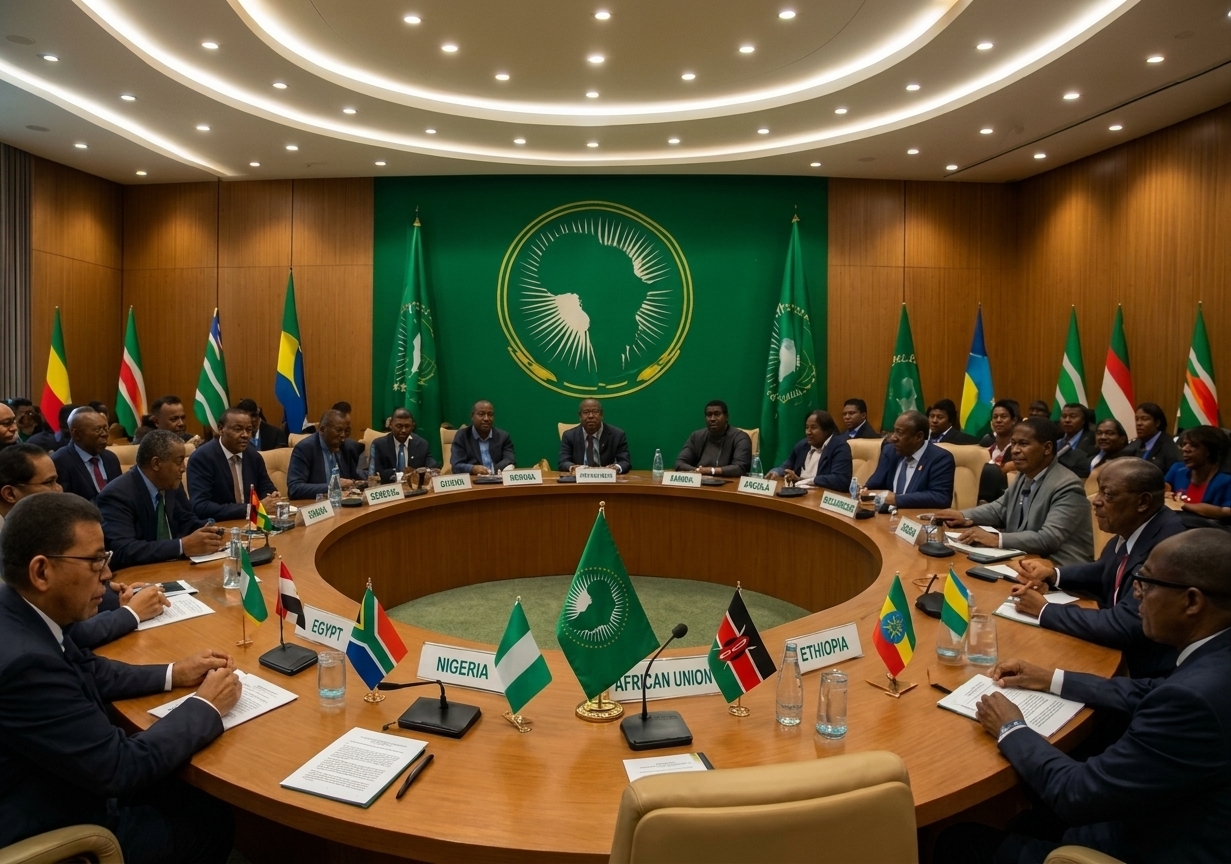
THE VALUE OF HUMAN LIFE: WHY AFRICA MUST PUT HUMANITY BEFORE BUSINESS IN INTERNATIONAL DIPLOMACY
PR TIMES AFRICA | INTERNATIONAL DIPLOMACY & GLOBAL AFFAIRS
By PR Times Africa Editorial Desk
There is a fundamental question that African governments, international institutions and global leaders must confront: What is the true value of economic growth when the people it is meant to benefit continue to lose their lives without adequate protection, accountability or meaningful government response?
Across Africa, citizens continue to face insecurity, violent attacks, displacement, poverty, preventable deaths and other threats to their existence. Families are left grieving, communities are traumatised, and individuals who once had dreams of building better futures become victims of circumstances beyond their control.
Yet, in the corridors of power, conversations about investment, international partnerships, trade agreements, economic cooperation, diplomatic engagements and business opportunities continue.
These conversations are important. But they raise a deeper question: Can economic diplomacy truly be successful when human security remains uncertain?
THE REAL MEANING OF INTERNATIONAL DIPLOMACY
International diplomacy should be about more than negotiating trade agreements, attracting foreign investors, securing international partnerships or strengthening political relationships.
At its foundation, diplomacy should protect human interests, promote peaceful coexistence, defend human dignity and create conditions in which people can live safely and prosper.
The United Nations recognises human security as a people-centred approach that addresses the survival, livelihood and dignity of individuals. It connects peace, development and human rights, recognising that these priorities cannot be separated.
This principle should challenge African governments to reconsider how they define diplomatic success.
A country should not measure its international relevance only by the number of investment agreements signed, the volume of foreign direct investment attracted, the number of diplomatic visits received or the business opportunities secured.
It must also consider whether its citizens are safe, whether communities are protected, whether justice is accessible and whether ordinary people can live without constant fear.
AFRICA: WHEN THE VALUE OF HUMAN LIFE MUST BECOME A CONTINENTAL PRIORITY
Africa occupies an important position in the global political, economic and diplomatic landscape.
With its enormous natural resources, strategic geographical position, growing population, emerging markets and human capital, the continent continues to attract international attention.
However, continental influence must come with continental responsibility.
When citizens are killed, communities are attacked, families are displaced and innocent people lose their lives, the responsibility of governments must extend beyond issuing statements of condemnation.
People expect protection, timely intervention, effective investigations, justice and policies that prevent further tragedies.
The question is not whether Africa should pursue economic development. It absolutely should.
The question is whether economic ambitions can be pursued without giving equal, if not greater, attention to the protection of human lives.
African governments must remember that the legitimacy of leadership is not measured exclusively by economic achievements, diplomatic recognition or international business relationships. It is also reflected in how effectively human lives and dignity are protected.
A continent must never become so occupied with economic transactions that it loses sight of the human beings behind its national statistics.
AFRICA MUST REDEFINE THE MEANING OF DEVELOPMENT
Africa is rich in natural resources, strategic minerals, agricultural opportunities, human capital and emerging markets.
The continent continues to attract international attention from investors, multinational corporations, development institutions and foreign governments.
From energy partnerships to mining agreements, infrastructure projects, manufacturing, technology and international trade, Africa remains an important destination for global economic engagement.
But development must not become an excuse to overlook human suffering.
What is the meaning of mineral wealth if communities living around mining operations remain exposed to environmental damage, insecurity and inadequate public services?
What is the value of infrastructure development if citizens cannot travel safely?
What is the purpose of attracting international investment if the people are unable to enjoy the security, opportunities and improved living conditions that should accompany economic progress?
Africa must move beyond a development model that celebrates economic figures while overlooking the lived experiences of its citizens.
The African Union’s Agenda 2063 articulates a vision of inclusive growth, improved quality of life, human rights, good governance, peace and security, and people-driven development.
The challenge is to translate these aspirations into measurable improvements in people’s everyday lives.
Economic prosperity and human security must advance together.
THE CONTRADICTION BETWEEN BUSINESS DIPLOMACY AND HUMAN SECURITY
There is nothing inherently wrong with governments pursuing business opportunities during periods of national difficulty.
Indeed, economic stability, investment and employment can contribute to reducing poverty and strengthening national resilience.
However, the problem emerges when commercial interests receive consistent political attention while human suffering appears to receive only temporary public attention.
International agreements can be negotiated. Investment summits can be organised. Business delegations can travel across continents. Government representatives can meet foreign counterparts to discuss economic opportunities.
But the protection of human lives must never become a secondary consideration.
Diplomacy should not be reduced to the art of making governments and businesses comfortable with one another. It should also be the instrument through which nations advance the safety, dignity and welfare of their populations.
Foreign investors need stable environments. Businesses need functioning institutions. Markets need security. Communities need trust.
Human security is therefore not the enemy of economic diplomacy; it is one of its most important foundations.
WHAT SHOULD AFRICAN LEADERS PRIORITISE?
For Africa to build a credible international reputation, human life must become a central measure of governance and diplomatic engagement.
1. Human security must become a diplomatic priority.
Bilateral and multilateral engagements should include meaningful cooperation on civilian protection, conflict prevention, intelligence sharing, humanitarian response and institutional capacity.
2. Accountability must accompany public statements.
When lives are lost, governments should communicate transparently, investigate incidents, identify failures and demonstrate what corrective action is being taken. Condolence statements alone cannot substitute for accountability.
3. Economic agreements must consider human consequences.
Mining, energy, agriculture, infrastructure and other major investment projects should be assessed for their effects on local communities, human rights, environmental safety and livelihoods.
4. African regional institutions must strengthen collective responsibility.
The African Union and regional organisations should continue to advance practical cooperation on conflict prevention, peacebuilding, human rights and civilian protection.
5. Citizens must become the centre of continental development.
Education, healthcare, employment, access to justice, food security and personal safety should be treated as essential components of economic and diplomatic progress.
THE INTERNATIONAL COMMUNITY MUST ALSO LOOK BEYOND COMMERCIAL INTERESTS
This conversation is not directed at African governments alone.
International partners, foreign governments, multinational corporations and global financial institutions also have responsibilities in how they engage with African countries.
Partnerships should be guided by transparency, responsible investment, respect for human rights and sustainable development.
International cooperation should not focus exclusively on access to markets, natural resources and commercial opportunities. It should also contribute to strengthening institutions, protecting communities and supporting long-term stability.
Africa deserves partnerships that recognise its people as more than consumers, labour markets, investment statistics or sources of natural resources.
The African citizen must be recognised as the ultimate beneficiary of development.
THE MORAL QUESTION EVERY GOVERNMENT MUST ANSWER
Perhaps the most important question is this:
When a citizen loses their life, what does the value of a newly signed business agreement mean to the family left behind?
When a community is destroyed, what does an international investment announcement mean to those who have lost their homes?
When innocent people live in fear, what does diplomatic recognition mean if it does not translate into a safer environment?
These are not arguments against business, investment or international cooperation. They are arguments for a more responsible understanding of leadership.
The purpose of economic growth should be to improve human existence. The purpose of international diplomacy should be to advance peaceful relationships and shared prosperity. And the purpose of government should include protecting the lives and dignity of the people it serves.
Without these principles, development risks becoming an impressive collection of economic achievements disconnected from the realities of ordinary citizens.
CONCLUSION: HUMANITY MUST COME BEFORE ECONOMIC AMBITION
Africa must understand that the greatest measure of continental progress is not simply how much wealth its countries generate, how many international agreements they sign or how many foreign investors they attract.
It is also how well they protect their people.
A continent that protects its citizens strengthens its institutions. A continent that values human dignity builds public trust. A continent that prioritises peace and security creates a stronger foundation for investment, trade and sustainable economic growth.
Africa does not need to abandon business diplomacy. It needs to humanise it.
It does not need fewer international partnerships. It needs partnerships that place people, communities and sustainable development at the centre.
The world must understand that African lives are not less valuable, and the protection of human dignity should never depend on economic status, political influence or international attention.
Business can build wealth. Diplomacy can build relationships. Investment can transform economies. But only a commitment to humanity can give development its true purpose.
The time has come for Africa to ask a more important question at every diplomatic table, economic summit and international partnership:
Beyond what will this deal bring to our economies, what will it do to protect, improve and preserve the lives of our people?
Because before Africa can boast of economic greatness, it must demonstrate that it values human life.
PR TIMES AFRICA
Amplifying Voices. Advancing Leadership. Shaping Africa’s Global Narrative.